Editor’s Note
This article reports on a Chinese-Belarusian ophthalmology seminar held in Minsk, where a memorandum of understanding was signed to foster medical cooperation, including doctor exchanges, joint research, and technology sharing.
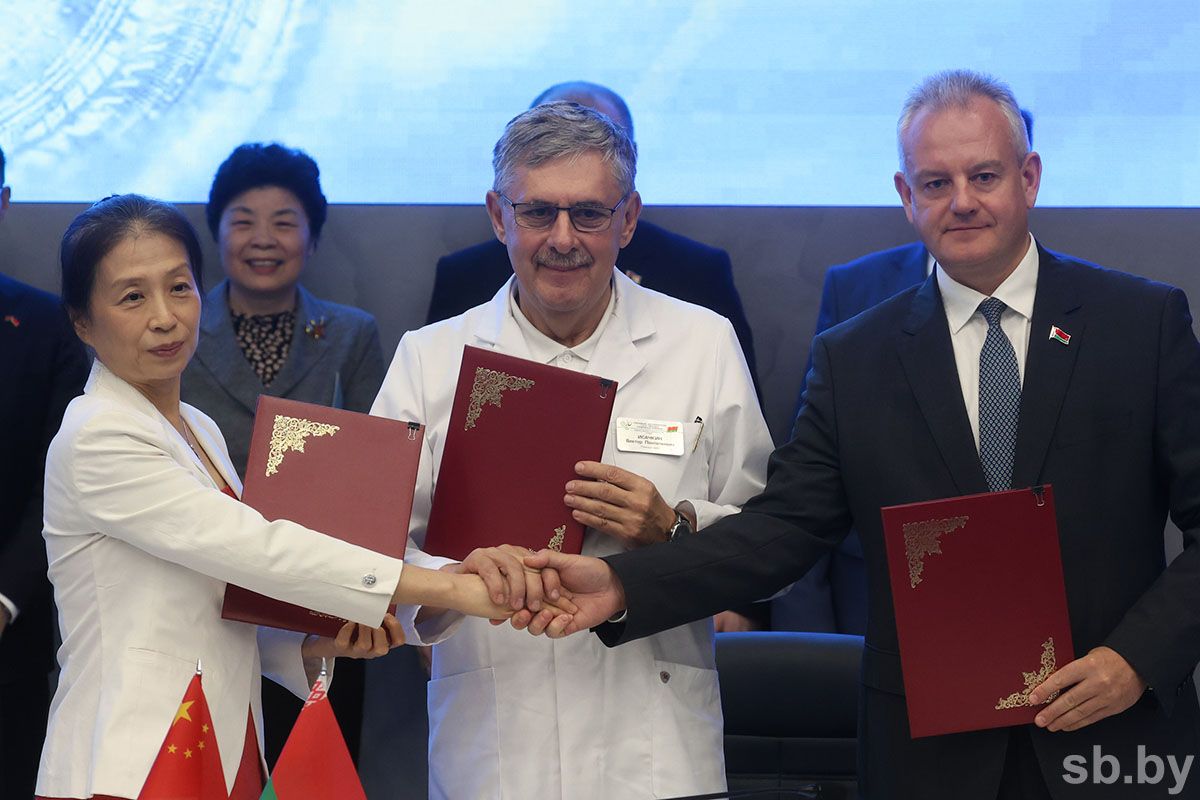
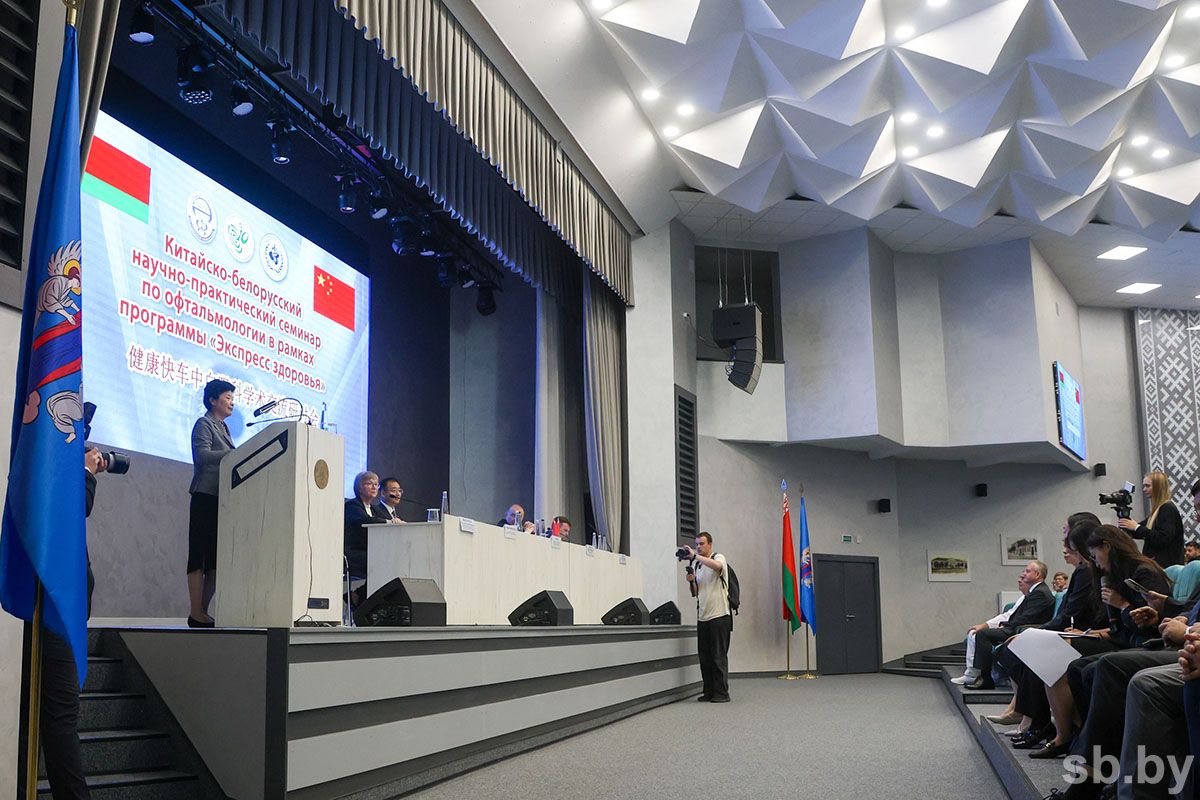
A Chinese-Belarusian scientific and practical seminar on ophthalmology was held at Minsk City Clinical Hospital No. 10 as part of the “Express of Health” programme. The parties signed a memorandum of cooperation providing for the exchange of doctors, joint scientific research, development of a textbook, and introduction of new diagnostic devices. Chinese colleagues highly appreciated the Belarusian experience in treating complex cases, while Belarusian ophthalmologists expressed interest in Chinese technologies. The cooperation is expected to be long-term and mutually beneficial.
World-renowned professors from Beijing Tongren Hospital, affiliated with the Capital Medical University of China, arrived in Minsk, bringing samples of medical equipment and products planned for introduction into Belarusian practice. The exchange of ophthalmological experience benefits both sides. China has achieved significant success in artificial cornea cultivation and has a well-established medical device manufacturing school. Belarusian ophthalmologists, in turn, use European methods for the most complex operations.
Doctors from China consulted Belarusian patients and appreciated the high coordination of work at Minsk City Clinical Hospital No. 10 in difficult cases. They were impressed by the ability to quickly and accurately eliminate complications that may occur during surgery.
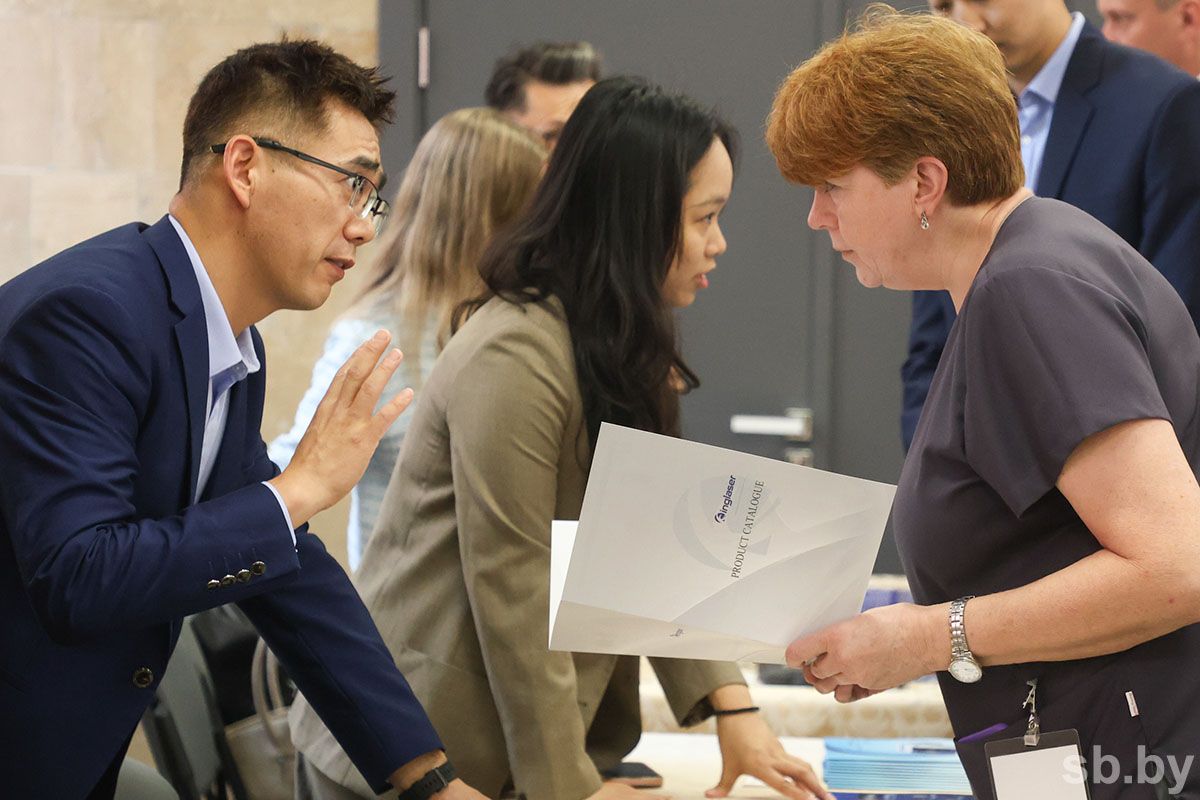
Belarus is at the peak of diagnostic and surgical capabilities, and domestic ophthalmologists could hardly be surprised with anything, but they were much interested in reports on an artificial cornea and devices for examining the ocular surface. Tatiana Imshenetskaya, Chief Freelance Ophthalmologist at the Healthcare Ministry and Head of the Ophthalmology Department at the Institute for Advanced Training and Retraining of Healthcare Personnel at the Belarusian State Medical University, emphasized:
Belarus and China face similar ophthalmological diseases, in particular cataracts and glaucoma, so the exchange of experience between experts from the two countries is of great practical importance. A representative of the Chinese delegation, Ying Jie, commented:
During the seminar, a memorandum of cooperation was signed between the Belarusian State Medical University (BSMU), Minsk City Clinical Hospital No. 10, and the Centre for International Cooperation under China’s National Health Commission. BSMU Rector, Professor Sergei Rubnikovich added: