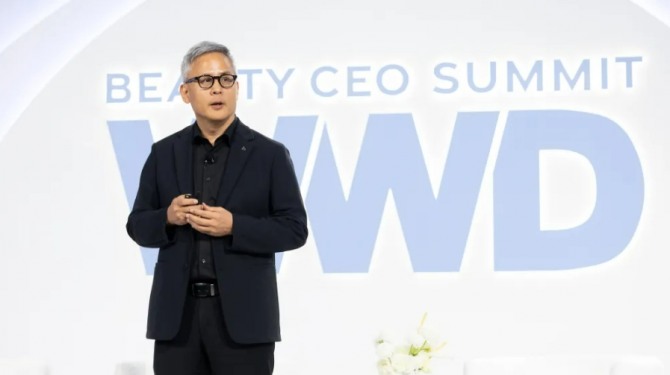
Amorepacific has cemented its status as a leading premium skincare company in North America, with its North American subsidiary reporting that the region now accounts for 33% of its overseas revenue. At the WWD CEO Summit on May 22 (local time), Sean Kim, CEO of Amorepacific North America, unveiled a mid-to-long-term roadmap aiming for a top-5 beauty brand position in North America by 2030.
The company's success is driven by its dual-engine brands Laneige and COSRX. Laneige's hero product, the Lip Sleeping Mask, and COSRX's functional skincare range have captured the US market, particularly among Millennials and Gen Z. These brands dominate premium retail channels such as Sephora and Ulta Beauty, as well as Amazon's skincare category, achieving an average annual growth rate of 30%.
Key success factors include:
– High-functional skincare solutions leveraging proprietary biotechnology to address core US consumer needs like skin barrier strengthening and hydration.
– Viral social media presence on platforms like TikTok, building a loyal fanbase and setting beauty trends.
– A differentiated brand portfolio spanning masstige to premium price points, attracting a broad consumer base.
Industry experts attribute Amorepacific's performance not to a temporary K-beauty fad but to a deep 'glocalization' strategy that integrates local culture and consumer lifestyles. They view the 2030 top-5 target as a data-backed forecast rather than mere marketing rhetoric.