Editor’s Note
**Editor’s Note:** This report covers key insights from the SYLFIRM X APAC Symposium, held in Bangkok on June 18, 2026, ahead of IMCAS Asia 2026. The article highlights expert discussions on the link between excessive tissue damage, fibrosis, and accelerated tissue aging, featuring remarks from symposium chair Dr. Tingsong Lim.
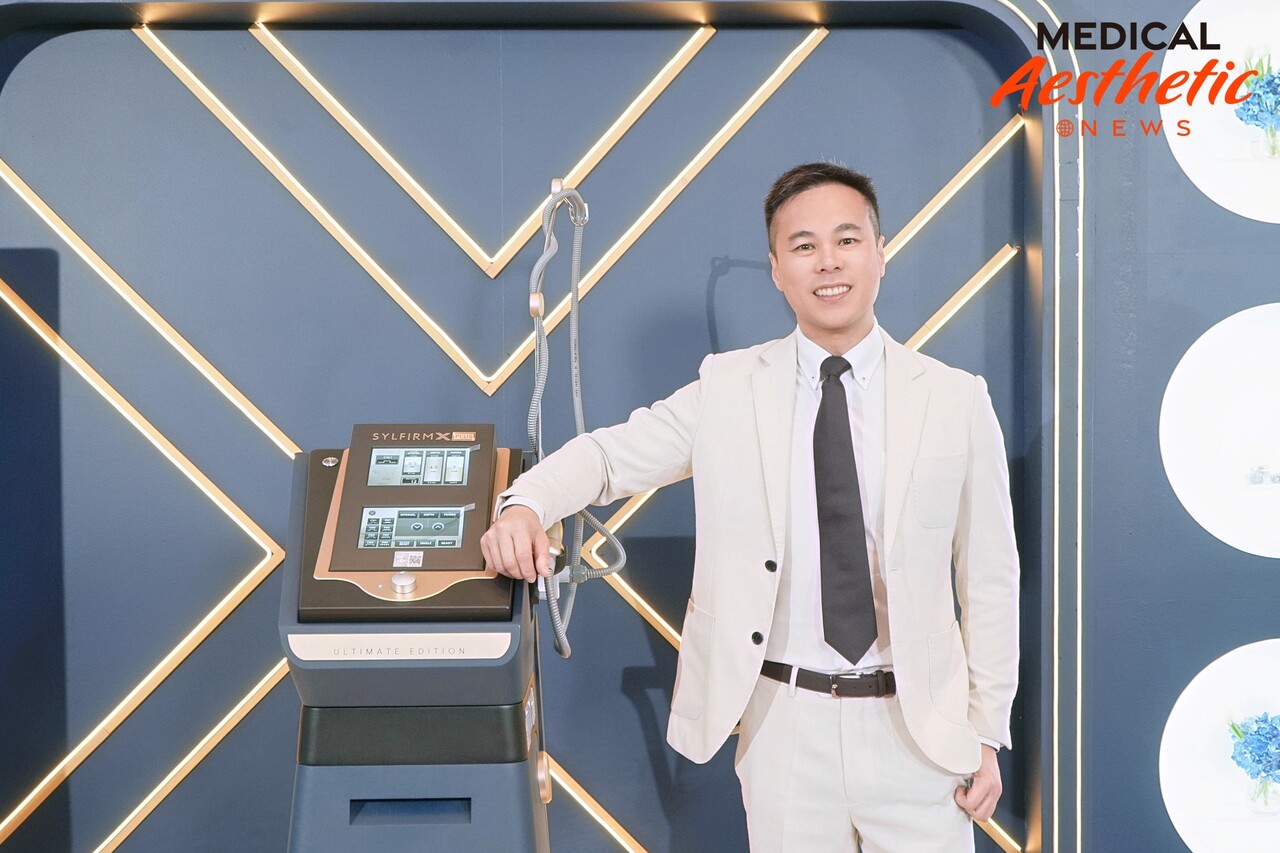
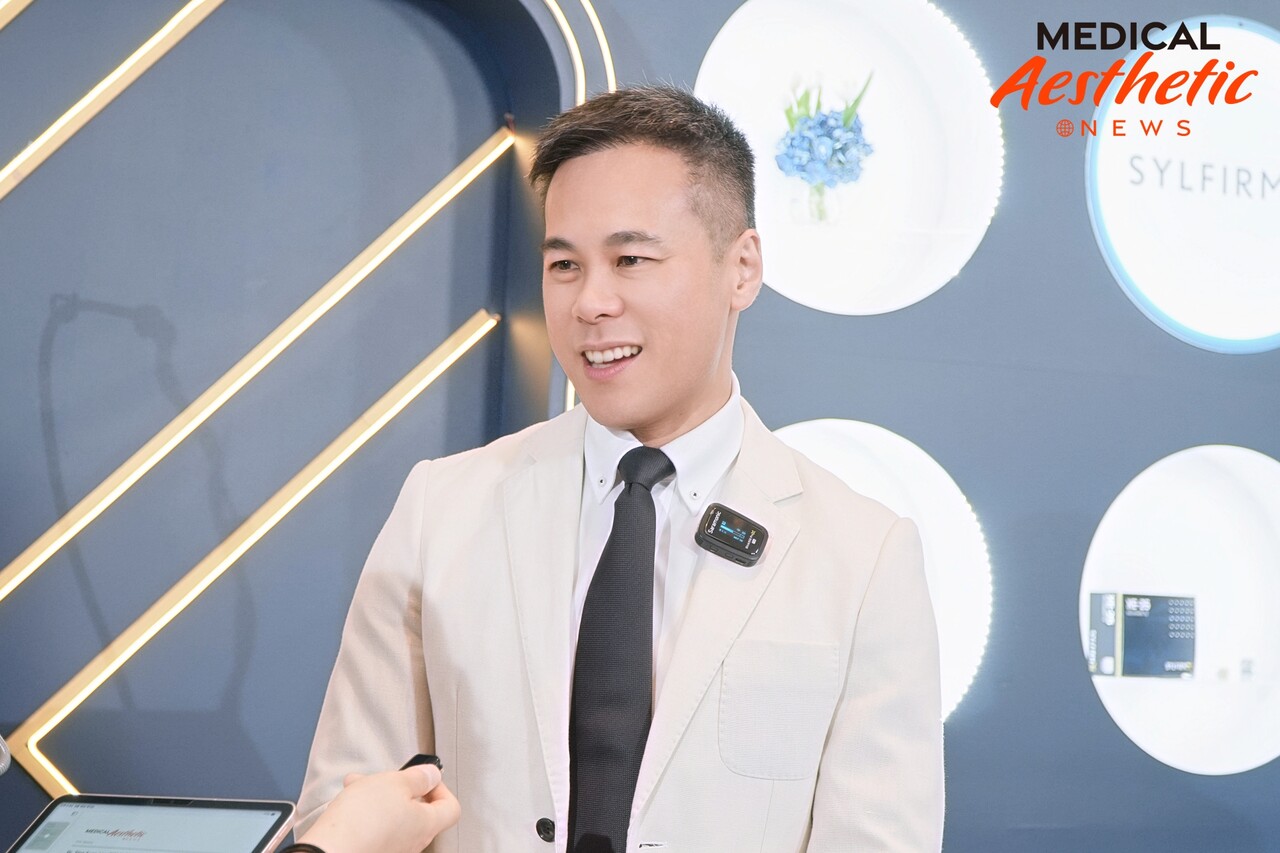
On June 18, 2026, on the eve of IMCAS Asia 2026, the SYLFIRM X APAC Symposium in Bangkok 2026 was held at the Chadra Ballroom of the Siam Kempinski Hotel Bangkok — a regional gathering that brought together aesthetic physicians from across the Asia-Pacific region. Dr. Tingsong Lim, Medical Director of Clique Clinic in Kuala Lumpur, Malaysia, and a global KOL for VIOL Medical, served as chair of the symposium. The following day, he took to the stage at the VIOL Medical Symposium within IMCAS Asia 2026 to deliver a lecture titled “Managing Melasma Better by Working on the ECM.”
For Dr. Lim, Sylfirm X is far more than a procedural tool. He describes it as a platform that focuses on improving skin condition and restoring the extracellular matrix (ECM), rather than relying primarily on what he calls a “break it down to build it back up” approach. In the interview that follows, he discusses the shift he believes is needed in melasma management, the clinical challenges presented by chronically UV-exposed Southeast Asian skin, and the role he believes Sylfirm X can play in regenerative aesthetics.
It was a line that anchored everything else he had to say.
I am Tingsong Lim, an aesthetic physician based in Kuala Lumpur, Malaysia. I have been attending IMCAS — and later IMCAS Asia — since the very early days of the congress, so this is probably my tenth or eleventh time attending.
My relationship with VIOL Medical goes back several years as well. I have been speaking about Sylfirm, and later Sylfirm X, for quite some time now, and every time I come to an event like this, I genuinely enjoy being able to talk about the device I love most. Sylfirm X is the cornerstone of my clinical practice. I use it primarily for skin restoration and, more specifically, for the restoration of the extracellular matrix — the ECM.
When I first started using Sylfirm, and later Sylfirm X, I began to see things in the clinic that I had simply never seen with other energy-based devices.
Most energy-based devices operate on the principles of stimulation, or what I would call the “break it down to build it back up” approach. In practice, when you apply that model to Southeast Asian skin types, what you very often see is that the skin actually deteriorates — it becomes more reactive, more sensitive.
The point I want to drive home is this: when it comes to melasma management, we need to shift our focus toward ECM restoration. For too long, we have concentrated almost exclusively on eliminating pigment. But pigment exists to protect the skin. When we remove it, we leave the skin more exposed to UV radiation and other forms of damage. We are not solving the root cause — and in many cases, we may actually be making things worse.
In the past, managing pigmentation meant lasers — almost exclusively. Chemical peeling was never a strong fit for my patient population, so laser was the default. But as I have said, laser does not address the root cause. We saw frequent relapse, and cases of hyperpigmentation or hypopigmentation after treatment.
Sylfirm X takes an entirely different approach. It helps restore the health of the skin and ECM while rebuilding the basement membrane. And when that happens, you see far more than pigment reduction. As inflammation subsides and the ECM returns to a healthier state, pores appear smaller, skin firmness improves, radiance returns, skin tone becomes more even, and fine lines and wrinkles begin to improve as well.
What you are witnessing is something I would describe as the reversal of skin aging. And the effects extend beyond pigmentation. I have seen patients with chronically red, sensitized skin — sometimes following overly aggressive treatments or the excessive use of unnecessary topical products — recover with Sylfirm X. Patients with rosacea and generally compromised skin health have improved. I have even seen the scalp improve, with hair condition improving along with it. These are the kinds of outcomes I have seen with Sylfirm X.
In my practice, patients in this region often present with oilier, more reactive skin, compounded by chronic UV exposure. To put it in perspective, I would estimate that South Korea receives roughly one-quarter to one-third of the UV exposure we experience in Malaysia — meaning our patients may face roughly three to four times as much, year after year, with no seasonal respite.
As a result, the baseline skin state in these patients is one of heightened sensitivity and a strong tendency toward inflammation. It is no surprise that melasma presents at a very young age in this region. We even see it in patients who have relocated here from Korea, Japan, or China — their pigmentation develops far more rapidly once they are living in this environment.
In this context, restoring ECM health is of utmost importance. We need to reset the skin to a healthier condition so that we can better prevent and manage melasma.
(Content continues with further clinical insights, but the provided text ends here.)