Editor’s Note
**Editor’s Note:** The aesthetics industry is shifting from invasive procedures to a deeper focus on skin biology and long-term health. This article explores how collagen, hormones, and metabolic factors are redefining beauty standards.
The modern aesthetics industry, long plagued by fillers, lasers, Botox, and the nips and tucks of aging skin, is sitting on the precipice of its next era. As the age-old act of going under the knife retreats into the background, the next cohort of treatments is waiting in the wings. But this time, the focus goes even deeper than an injectable, with more consumers becoming hyperfixated on skin quality, collagen stimulation, inflammation, hormonal changes, metabolic health, or how to preserve their appearance over decades, not just years.
Dr. Maryam Zamani, founder of Maryam Zamani Clinic.
Photo: Courtesy of Maryam Zamani Clinic
34.9 million aesthetic procedures, according to the International Society of Aesthetic Plastic Surgery (ISAPS), up 3.4% year-on-year; 19.1 million of those procedures were non-surgical. This tracks: the non-invasive aesthetic treatment market is currently worth $44.6 billion, per Mordor Intelligence, and is predicted to reach $67.29 billion by 2033, fueled by demand for established treatments such as dermal fillers, laser resurfacing and chemical peels, alongside newer categories like skin boosters, ultrasound lifting, body contouring and collagen-stimulating technologies.

This new era of aesthetics is changing how much patients are willing to pay for treatments, too.
As demand for more advanced, preventative approaches to aging and enhancement grows, so does the race to find the next aesthetic breakthrough. But which innovations will move from industry buzzwords to mainstream game-changers? Here, we break down the contenders for the next big thing in aesthetics.
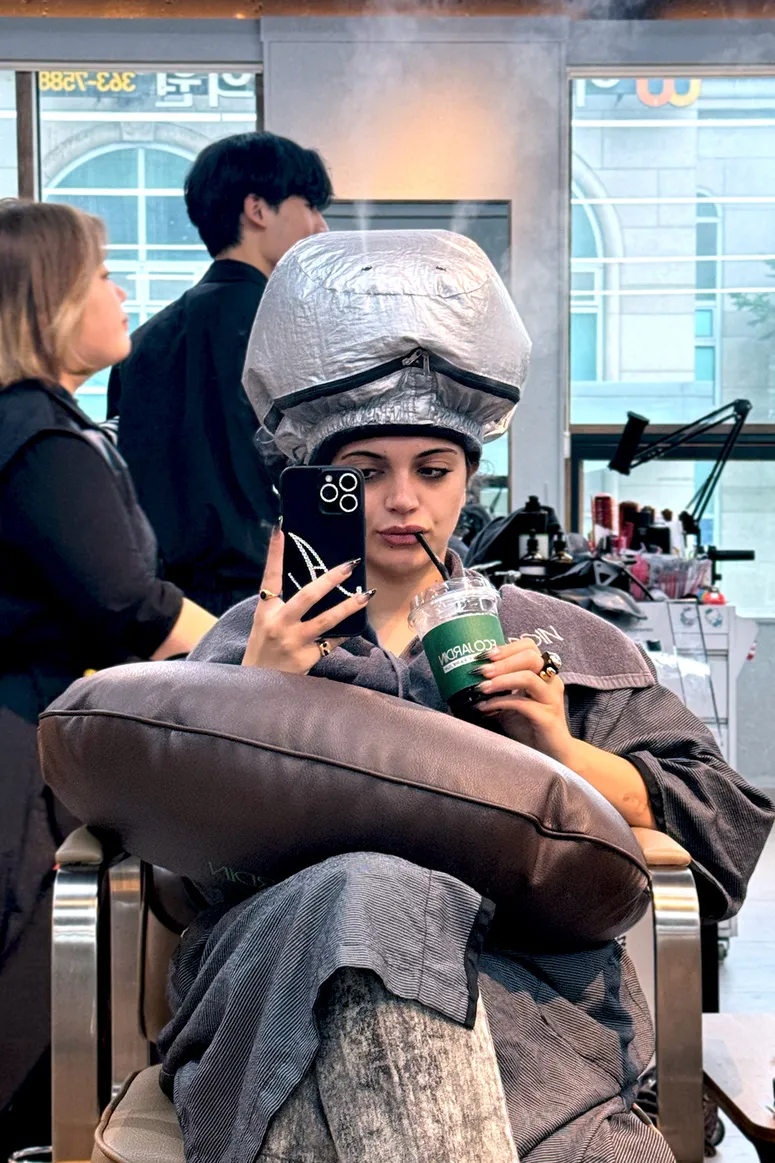
While it was the first market to popularize now-seemingly omnipresent ingredients like salmon sperm, its next export isn’t a device, but a treatment philosophy: stacking.
Instead of relying on a singular device, stacking combines multiple treatments in a single appointment to target different concerns simultaneously. One laser may target pigmentation, another works on collagen production, a radiofrequency device works on skin elasticity, and a final device may work on overall skin texture. Then, to top it all off, a consumer might get a round of polynucleotides — the DNA-derived regenerative injectables used to target fine lines and skin quality.

Inside the most advanced beauty industry in the world
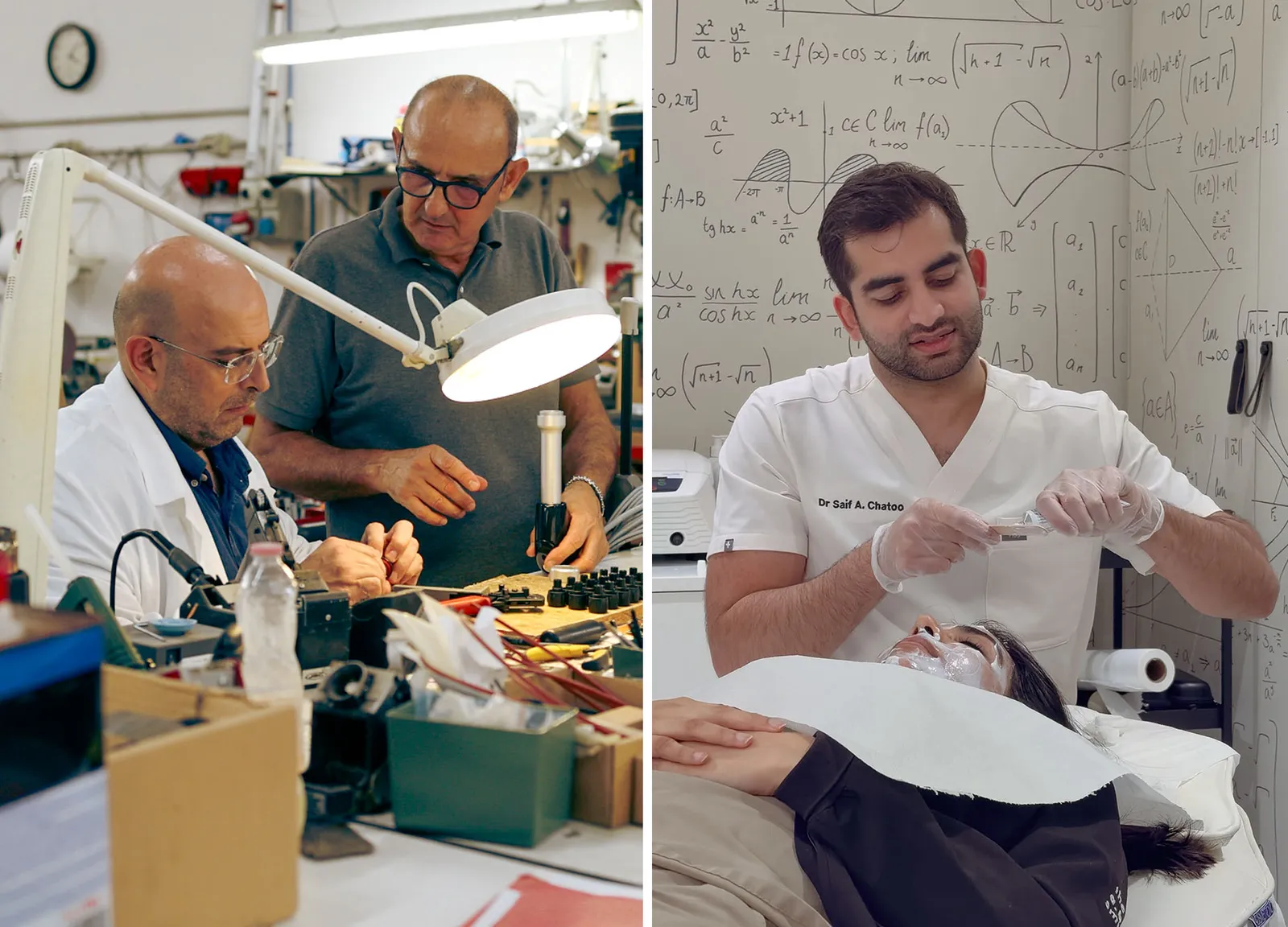
The trend has been slower to take hold in the West — until now. Combining energy-based dermatological devices is not new, but many clinics have historically relied on manufacturer-approved protocols designed around individual device use. The challenge with newer stacking approaches is understanding the optimal combinations, sequencing, and safety considerations when multiple technologies are used in a single session. Unlike in South Korea, which has a stronger doctor-led aesthetic medicine culture, cosmetic laser and IPL (intense pulsed light) treatments can be performed by non-doctors in markets such as the UK and the US, creating much greater variation in training levels and clinical oversight.
The level of customization that stacking allows is becoming increasingly important as the market fills with more sophisticated technology. By combining complementary treatments, practitioners can create more tailored approaches to address a wider range of concerns within a single appointment. A pico laser, for example, is not a single device but an entire category, with different wavelengths, pulse durations, and clinical applications. The same is true of radiofrequency and other energy-based treatments.
For a clinic to stand out in the stacking space, the focus will be on the application and customization for a client’s skin type.