Editor’s Note
**Editor’s Note:**
Yellow light therapy is emerging as a promising tool for calming redness and enhancing skin repair, but its novelty warrants scrutiny. We consulted two board-certified dermatologists to separate fact from hype, offering expert insights on its efficacy, ideal candidates, and practical value for your skincare routine.
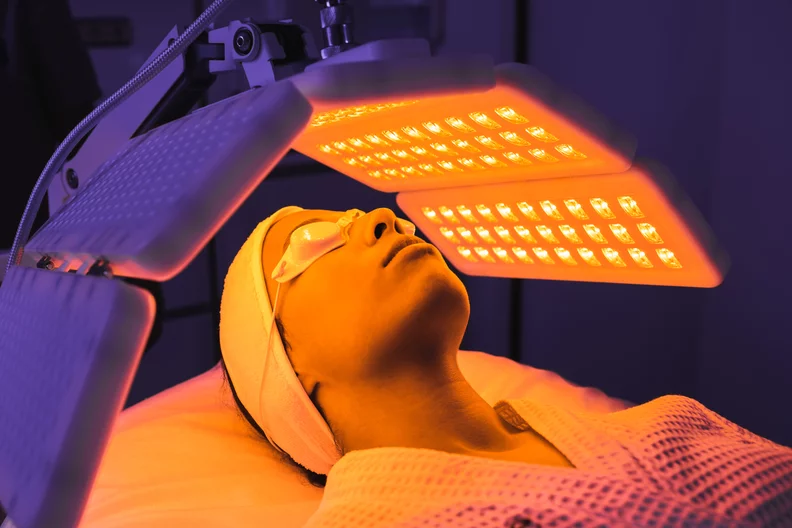
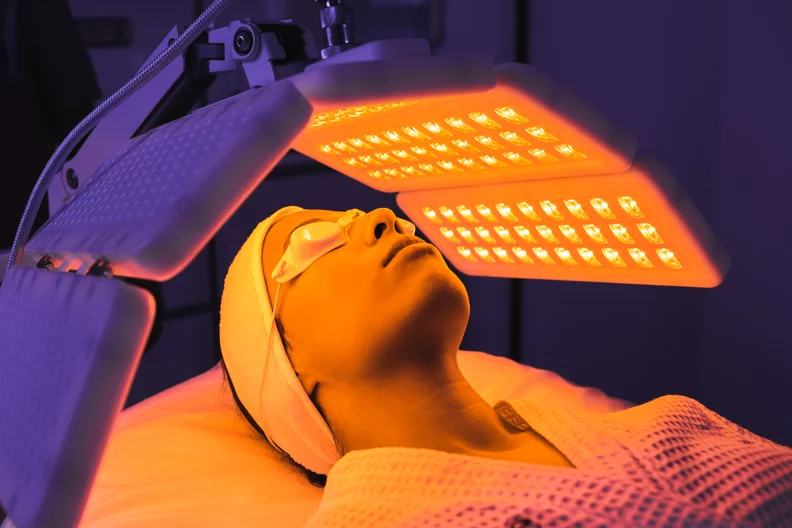
Yellow light therapy is gaining attention for its potential to calm visible redness, support the skin’s natural repair process, and improve overall skin tone. But because it’s still relatively new compared to its red and blue counterparts, it’s fair to wonder whether the benefits live up to the hype. To find out, we spoke with two board-certified dermatologists to break down how yellow light therapy works, who it’s best for, and whether it’s actually worth adding to your skin-care routine.
MD, is a board-certified cosmetic dermatologist based in New York City.
MD, is a board-certified dermatologist in Los Angeles and the author of Feed Your Face.
According to board-certified dermatologist Michele Green, MD, yellow light therapy is a non-invasive, non-thermal LED treatment that uses a specific wavelength of visible light to trigger targeted cellular responses in the skin. As the light is absorbed by skin cells, it supports the skin’s natural repair process and may help improve skin texture and soften the appearance of fine lines over time.
Unlike red light, which reaches deeper into the skin, yellow light works primarily within the skin’s upper layers.
Each LED wavelength targets different layers of the skin, which is why dermatologists often use them together rather than interchangeably, Dr. Green explains. Red light (633 nm) penetrates deeply into the dermis to stimulate collagen production, while blue light (415 nm) targets acne-causing bacteria near the skin’s surface. Yellow light, by comparison, operates at wavelengths between 570 and 590 nanometers, penetrating the epidermis and upper dermis to help address redness, rosacea, sensitive skin, uneven tone, and other surface-level vascular concerns.
According to Dr. Wu, yellow light therapy is best suited for skin that appears red, reactive, flushed, stressed, or healing after a procedure. That includes people with inflammatory skin conditions like rosacea, as well as anyone recovering from microneedling or laser treatments or dealing with a compromised skin barrier from overusing active ingredients.
Researchers are also exploring yellow light therapy for pigment concerns like melasma, she says, since redness, inflammation, blood vessels, and pigmentation often overlap. Still, melasma is a complex, hormonally influenced condition, so yellow light shouldn’t be viewed as a “magic pigment eraser.”
A study published in the International Journal of Molecular Sciences suggests that LED photobiomodulation is generally considered safe when used without photosensitizers and is associated with fewer side effects than many laser treatments, including a lower risk of swelling, redness, and irritation. However, much of the research is still emerging.
According to Dr. Wu, yellow light therapy is having a moment largely because red light therapy paved the way.
Dr. Green adds that seasonal changes are likely contributing to the growing interest. During the summer months, people are more likely to notice redness, sensitivity, inflammation, and dark spots after spending more time in the sun, making yellow light therapy especially timely.
According to Dr. Green, yes. Yellow light therapy can be effective on its own, particularly for reducing redness, improving skin tone, and supporting collagen production. That said, it’s often paired with other wavelengths because each reaches different layers of the skin. Combining yellow and red light, for example, may provide more comprehensive skin rejuvenation by addressing both surface-level and deeper concerns.
For patients interested in yellow light therapy, Dr. Green recommends starting with an in-office treatment to determine the right protocol for your skin. Depending on your goals, yellow light may also be paired with treatments such as Fraxel Dual, microneedling, V-Beam, HydraFacial, chemical peels, PRP, or exosome therapy to support healing and enhance results.
For at-home maintenance, Dr. Wu recommends looking for a reputable, FDA-cleared device that clearly lists its wavelengths—typically around 590 nm. She notes that yellow light is often labeled as “amber” and is commonly paired with red light in consumer devices. Some dermatologist-recommended options include the LightStim for Wrinkles, Qure Q-Rejuvalight Pro, and MitoGLOW LED Mask.
Yellow light therapy may never replace red light as the most recognizable LED treatment, but it fills a different role. For people dealing with redness, reactive skin, or post-procedure recovery, dermatologists say it can be a worthwhile addition to a broader skin-care routine. Just don’t expect overnight results or for it to replace addressing the underlying causes of inflammation.
is a freelance journalist and brand consultant who specializes in beauty, fashion, and lifestyle content. The Texas native’s work has appeared in a variety of publications, including Vogue, Allure, and Elle.
Beauty
Skin Care
Is Yellow Light Therapy the Next Big Thing in Skin Care?
By Iman Balagam
Published on July 22, 2026 at 11:45 AM
Getty | Anastasiia Krivenok
Getty | Anastasiia Krivenok
You may already be familiar with red light therapy, whether you own one of those LED masks that terrifies everyone else in your household, book regular LED facials, or spend time in a full-body light therapy bed
Search keywords: LED light therapy