Editor’s Note
**Editor’s Note:** Daewoong Pharmaceutical has tightened its distribution management for Nabota, implementing a zero-tolerance policy against illegal trade to safeguard patient safety.
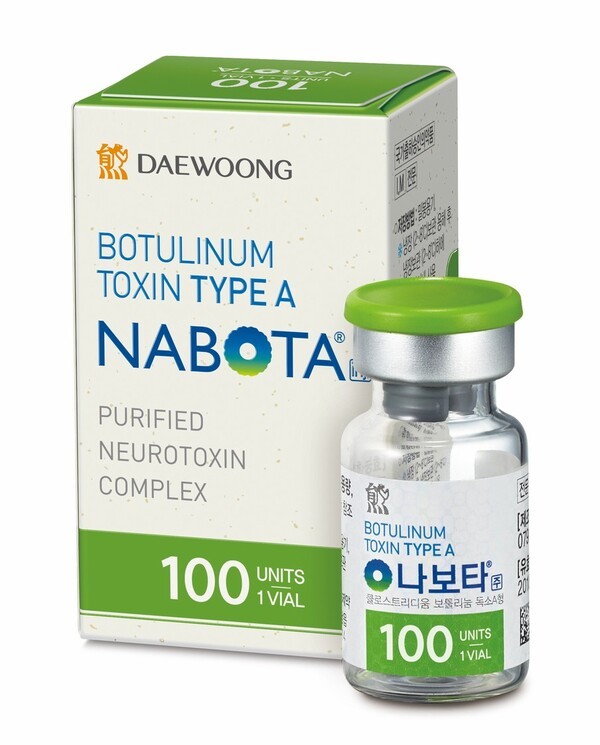
Daewoong Pharmaceutical announced on the 23rd that it has significantly strengthened its authentic distribution management system to block the illegal distribution of its botulinum toxin product ‘Nabota’ and protect patient safety.
The company operates a comprehensive distribution management network covering both online and offline channels.
Since January of this year, it has introduced a system that permanently suspends transactions immediately upon detection of illegal distribution. It has distributed informational materials to domestic hospitals and clinics and completed contract revisions to prevent illegal distribution. Additionally, it continues domestic and international distribution management by cooperating with regulatory agencies worldwide to block illegal sales.
Furthermore, the company is strictly responding to cases of unauthorized removal according to regulations. On the 10th, based on a report from a local partner, it detected circumstances where two vials of Nabota intended for domestic use were illegally removed. Through batch number tracking, it identified the specific medical institution and immediately suspended transactions.
In particular, recent self-monitoring results confirmed cases of import refusal by the U.S. Food and Drug Administration (FDA). These were identified as products entering through illegal channels not approved in the United States.
The official added that beyond the company’s proactive distribution control efforts, cooperation and support from government authorities are necessary to prevent illegal distribution.
In fact, earlier this year, Daewoong Pharmaceutical reported seven domestic companies that received FDA warning letters for illegal distribution of botulinum toxin to three agencies: the Korea Pharmaceutical Distribution Association, the e-People public petition system, and the Anti-Corruption and Civil Rights Commission.
Although illegal distribution of pharmaceuticals is subject to criminal penalties under the Pharmaceutical Affairs Act and other related laws, under the current system, there are practical barriers to proving illegal activities with only corporate authority. This is because initiating a substantive investigation by relevant agencies requires specific evidence such as the clear corporate name of the illegal distributor, product transactions at specific times, and customs clearance and shipping records from Korea.