Editor’s Note
**Editor’s Note:** South Korea’s tourism rebound is reshaping its retail landscape, with 16.4 million foreign visitors in 2024 fueling demand in beauty and medical tourism sectors. This trend highlights new opportunities for brands and investors in commercial districts.
Staff Reporter
,
South Korea
Published:
29 minutes ago
Photo by Saksham Vikram via Pexels
South Korea’s 16.4 million tourists boost beauty retail demand
Medical tourism is also driving new retail opportunities.
South Korea’s beauty tourism boom is driving retail demand as rising international visitor spending boosts commercial districts and creates new opportunities for brands and investors.
The country welcomed around 16.4 million foreign visitors in 2024, equivalent to about 94% of 2019 levels, with cosmetics remaining the top shopping category for tourists.
Medical tourism also continued to grow, with about 1.17 million foreign patients visiting Korea for healthcare services, led by dermatology and aesthetic treatments.
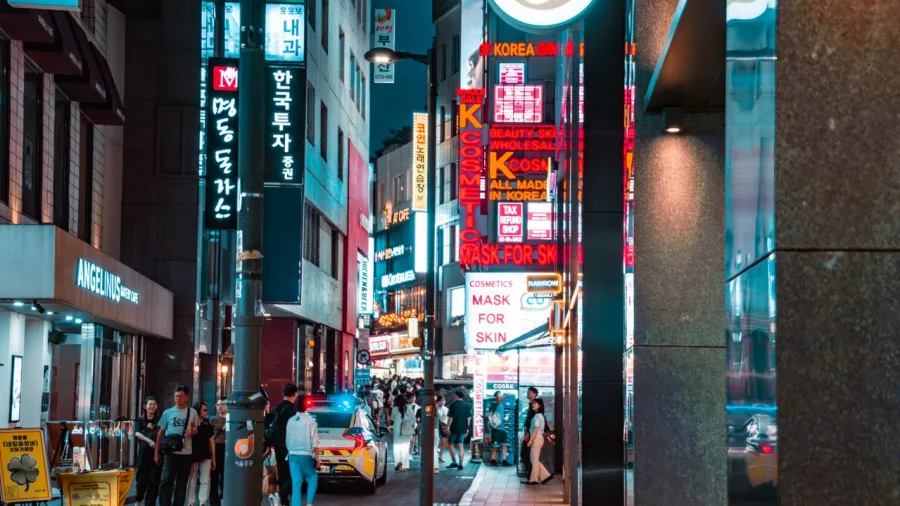
The recovery has strengthened Seoul’s prime retail districts. In Myeongdong, cosmetics account for 28% of tenants, whilst medical-related spending makes up around 27% of district sales.

Vacancy has fallen to 5.6%, reflecting stronger demand for retail space driven by tourism.
Seongsu has also emerged as one of Seoul’s fastest-growing commercial districts, recording approximately 110% year-on-year growth in foreign visitors.
Once known for temporary pop-up stores, the area is increasingly attracting permanent flagship outlets, supported by a vacancy rate of just 2.5% and growing demand for authentic Korean lifestyle experiences.
Gangnam has further expanded its role as a medical tourism hub, with medical services accounting for more than three-quarters of sales in some areas, reinforcing the link between healthcare and retail.
The changing consumer landscape is prompting brands to rethink retail strategies by integrating shopping, dining and medical services into a single customer journey.
Companies are also investing in flagship stores that serve as marketing, fulfilment and brand experience centres, whilst expanding multilingual services, digital payments and concierge offerings to better serve international visitors.
Looking ahead, the retail opportunity is expected to extend beyond K-beauty as fragrance, C-beauty and J-beauty gain momentum across Asia.

At the same time, the global wellness economy, valued at $6.3t in 2023 and forecast to reach about $9t by 2028, is expected to further accelerate the convergence of beauty, healthcare, hospitality and retail.