
Editor’s Note
This piece explores how the cosmetics industry is turning regulatory pressure into a catalyst for packaging innovation, shifting from mere compliance to strategic cost optimization and circular design.
The transition towards a more circular model is driving innovation in the cosmetics sector. The beauty industry is seeking to turn regulatory pressure into an opportunity for packaging innovation.
Brownlie believes that the initial reaction of many companies was to focus exclusively on meeting the new administrative and fiscal obligations derived from legislation. However, once that initial phase is overcome, brands are beginning to rethink their packaging design and processes with the aim of reducing the costs associated with regulatory compliance.
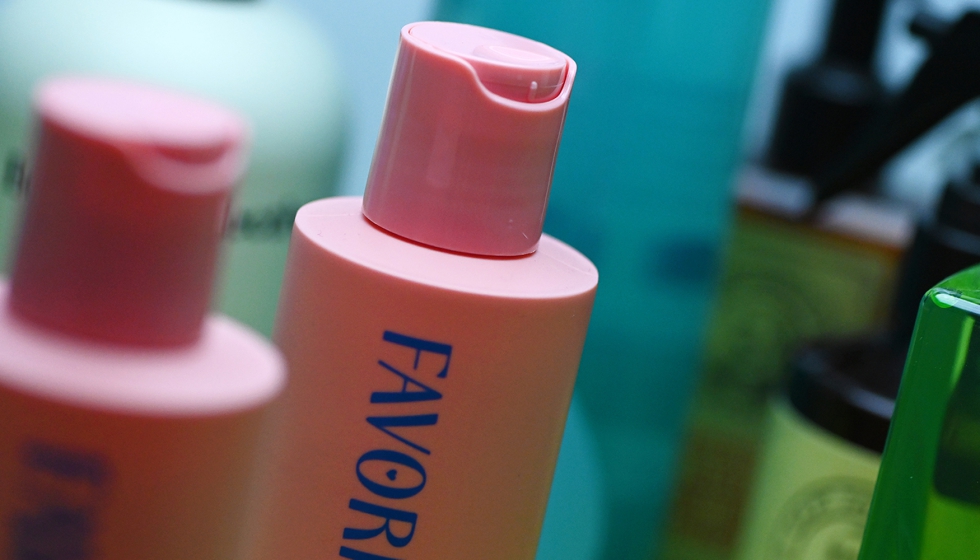
Technological evolution is allowing new developments in sustainable packaging to not necessarily involve compromises in aspects such as quality, product image, or consumer experience.
According to Brownlie, a few years ago it was common for sustainable alternatives to entail an increase in cost or limitations in the premium appearance of packaging. In contrast, current innovations allow progress towards recyclable or compostable solutions while maintaining the aesthetic and functional standards demanded by the cosmetics market.
Another notable change is the growing collaboration between companies that traditionally competed with each other. The British Beauty Council launched the Sustainable Beauty Coalition in 2020 precisely to foster knowledge exchange and accelerate the development of common solutions.
Brownlie considers that many initiatives are still being developed in isolation and that sharing experiences, both successes and failures, would accelerate the sector’s progress in packaging innovation.
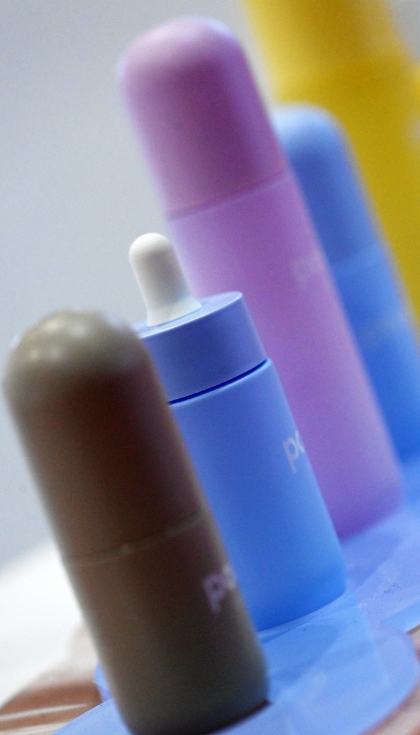
Despite progress, certain formats remain particularly difficult to recycle. Many cosmetic products incorporate small-sized components made from different materials, complicating their treatment at the end of their useful life.
One of the most representative examples is the pump systems used in numerous cosmetic products. These mechanisms integrate plastic, metal, and other materials, making their recycling through conventional systems difficult. Brownlie points out that this is one of the main pending challenges and suggests that the sector should promote joint projects to develop solutions applicable on a large scale.
The head of the British Beauty Council emphasizes that sustainability also depends on other factors, such as strengthening local industrial capacity, training new professionals, or developing the manufacturing fabric.

In her opinion, having a solid industry, fostering talent, and reinforcing innovation are essential elements for sustainability improvements to be maintained in the long term and to respond to the challenges posed by a sector that produces around 120 billion packaging units per year.
After an initial stage focused on adapting to new regulatory requirements, the cosmetics industry is now directing its efforts towards developing more circular, efficient, and economically viable packaging, increasingly relying on collaboration between companies and technological innovation.