Editor’s Note
**Editor’s Note:** This article highlights a concerning rise in poisoning cases linked to counterfeit Botox injections in Britain. Health authorities are urging vigilance as unlicensed products pose serious risks. Patients are advised to verify sources and recognize symptoms.
Britain has recorded serious poisoning cases following the use of counterfeit Botox injections, prompting health authorities to strengthen warnings and alert patients to potential symptoms.
Hospitals across the UK have reported a notable increase in poisoning cases linked to unlicensed Botox injections, leading the Medicines and Healthcare products Regulatory Agency (MHRA) to issue stringent warnings about these products.
Botox, which relies on botulinum toxin, is widely used to reduce wrinkles by weakening facial muscle movement. However, improper use or counterfeit products can lead to botulism poisoning, causing muscle paralysis and potentially affecting breathing, posing a life-threatening risk.
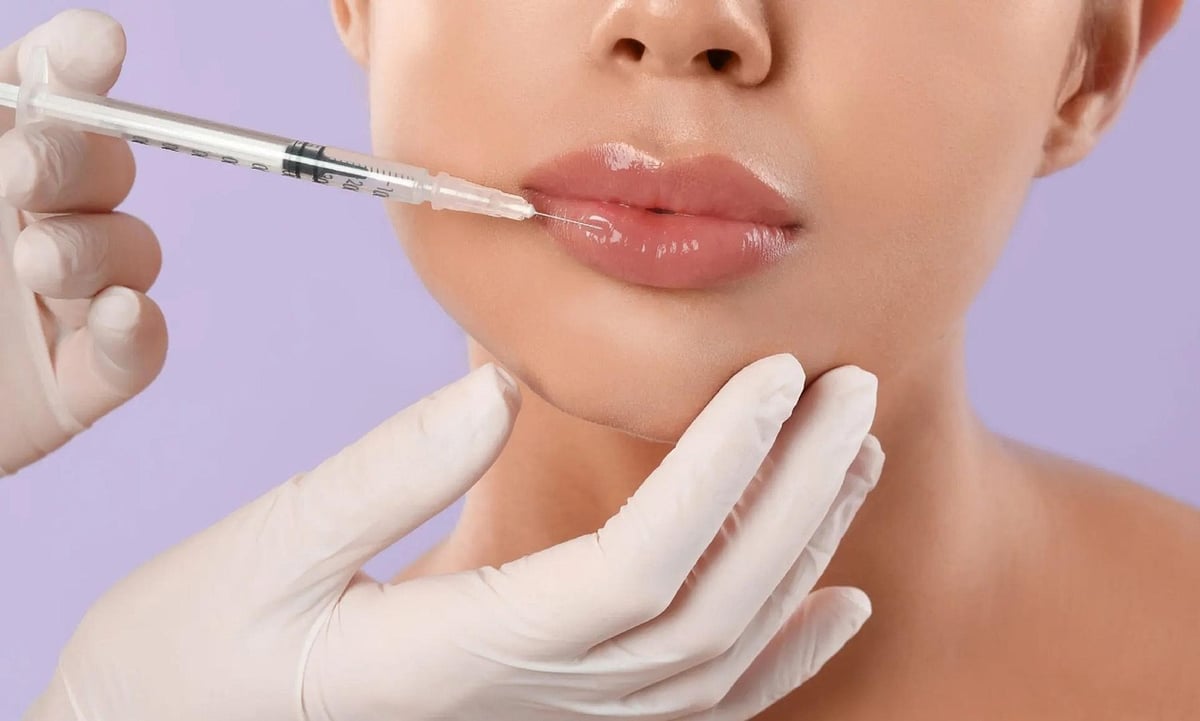
The agency clarified that warning labels on product packaging and usage leaflets will become more prominent, emphasizing the need to monitor symptoms such as difficulty swallowing, slurred speech, breathing difficulties, and muscle weakness within a month of receiving injections.
An estimated 900,000 Botox injection procedures are performed annually in Britain, making it one of the most popular cosmetic treatments. However, the spread of counterfeit products increases the risk of serious complications.
One concerning case is that of Kayleigh Bailey from Peterlee, Durham, who paid £75 for three anti-wrinkle injections, after previously paying more for treatment.
Her condition later deteriorated, and she was rushed to the hospital, where she was diagnosed with botulism poisoning. She spent three days in the intensive care unit and received antitoxin treatment. Doctors also had to resuscitate her after her breathing stopped.
Bailey reported that she had received injections of a substance called “Toxpia,” an illegal anti-wrinkle product resembling Botox.
Last year, the UK Health Security Agency (UKHSA) recorded at least 38 cases of botulinum poisoning linked to unlicensed products. Bailey was one of 28 cases in Northeast England, where the emergency department in Durham received five patients in a single night in June, all of whom had received counterfeit cosmetic injections.