Editor’s Note
**Editor’s Note:** This article examines the rising U.S. demand for GLP-1 treatments and its ripple effect on aesthetic medicine, as patients seek complementary procedures to refine post-transformation results.
The market for GLP-1-based treatments in the United States has grown rapidly, creating new demands in the aesthetic medicine sector. Many individuals who have achieved significant physical transformation are now seeking complementary procedures to harmonize the results. According to industry operators, the demand primarily comes from patients who do not wish to return to temporary fillers or who are not suitable candidates for traditional fat transfer.
The use of adipose tissue from deceased individuals opens a discussion on the relationship between biological donation, aesthetic medicine, and consent. Human tissue donation is already an established practice in various medical fields, such as reconstructive surgery and transplants. However, its application in procedures related to aesthetic body enhancement introduces new questions. The central question concerns the boundary between medical necessity and aesthetic desire.
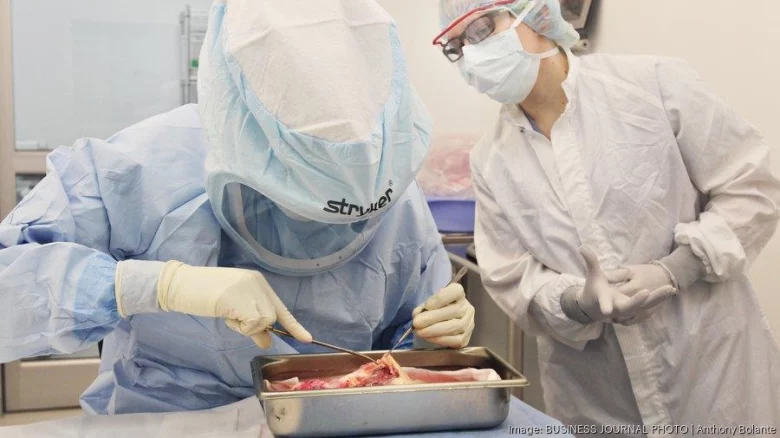
Experts emphasize the importance of controls on tissue origin, processing methods, and clinical use protocols. In the case of donated fat, the challenge will also be to convince patients that the treatment can be managed with the same safety criteria applied to other products of human origin. For decades, aesthetic surgery has focused mainly on reduction or remodeling. Today, with the spread of weight-loss drugs, the demand for post-weight-loss volume restoration is growing. The new frontier thus appears to be the phase following weight loss: accompanying the patient in the complete transformation of their image. The success of “bottled fat” in the United States signals how aesthetic medicine is seeking new answers to needs created by pharmacological innovations. Amid enthusiasm for the possibilities offered by technology and still-open questions, the phenomenon is destined to spark debate. Because behind a simple aesthetic procedure, complex themes intertwine: health, identity, ethics, and how contemporary society views the human body.
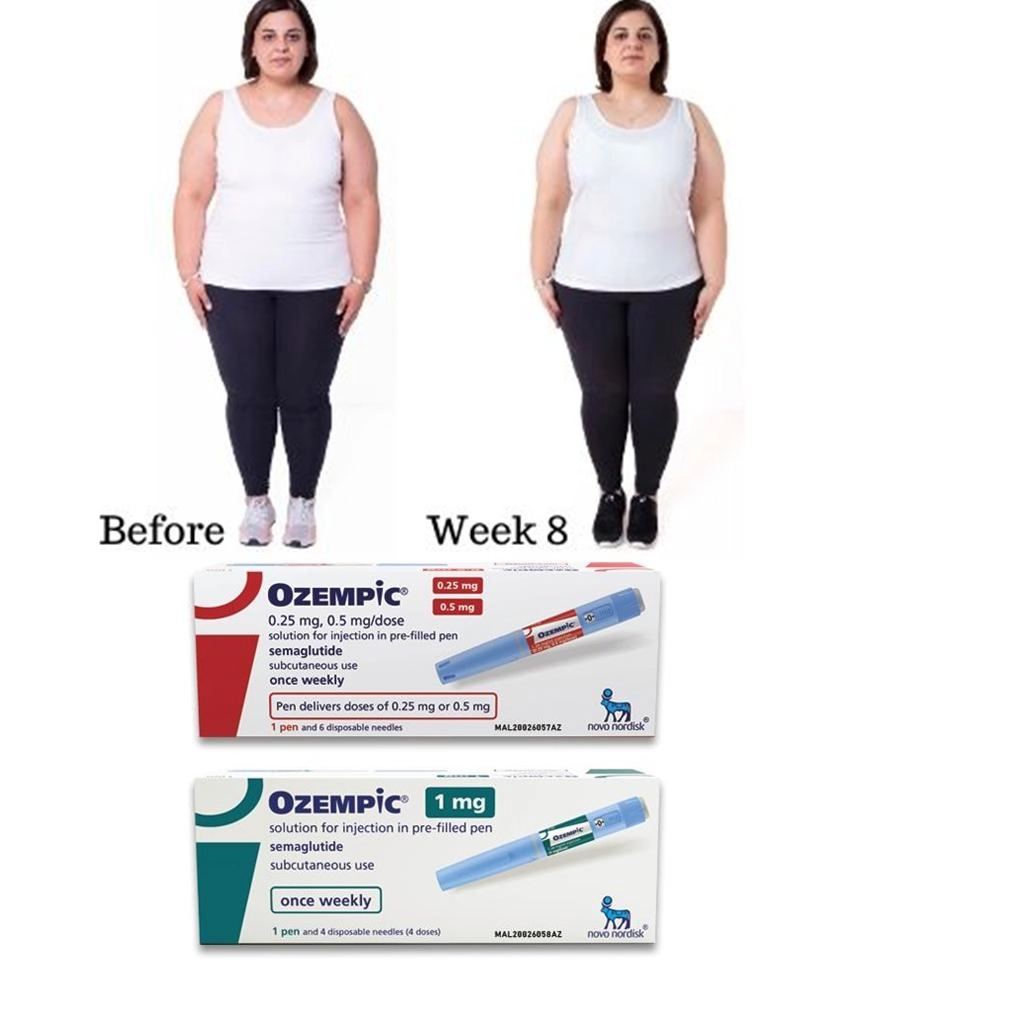
The growth of this phenomenon is closely linked to the spread of GLP-1 drugs, which have become protagonists in the fight against obesity in recent years. The increase in the use of GLP-1 receptor agonists, including the well-known Ozempic, has changed how many people approach weight loss. While these treatments have achieved significant weight reduction results, they have also led to demand for new solutions to correct the effects of weight loss on the body.
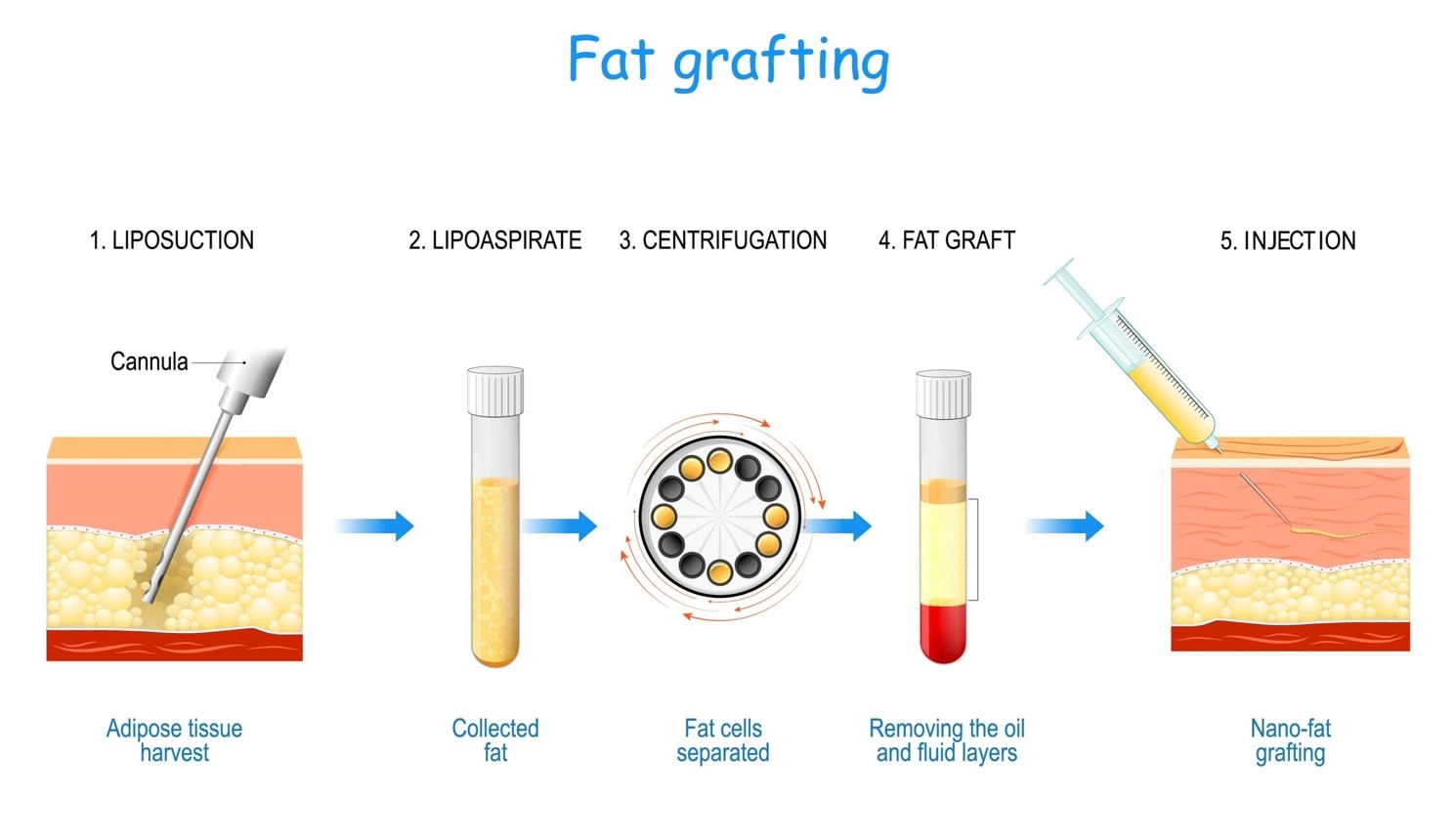
The new fat graft, according to its proponents, represents a response to this need. The principle behind it differs from traditional lipofilling. Instead of harvesting fat directly from the patient, the material is obtained through donation programs from deceased individuals and subsequently processed for medical use. The goal is to provide a product available without the need for a preliminary fat aspiration procedure. The new treatment is thus presented as a possible solution for the post-weight-loss phase: no longer losing weight, but redefining the body’s appearance.
This is called “off-the-shelf fat,” literally “ready-to-use fat,” or “bottled fat grafting.” It is an innovative product used for silhouette remodeling with a characteristic destined to attract attention: the material used comes from deceased human donors. The phenomenon is growing especially among patients who, after significant weight loss achieved with new anti-obesity and diabetes drugs, face an increasingly common aesthetic problem: volume loss in certain areas of the body, areas where the loss of adipose tissue can profoundly alter one’s perception of their body. It is precisely in this space that the new approach of ready-to-use fat fits in.