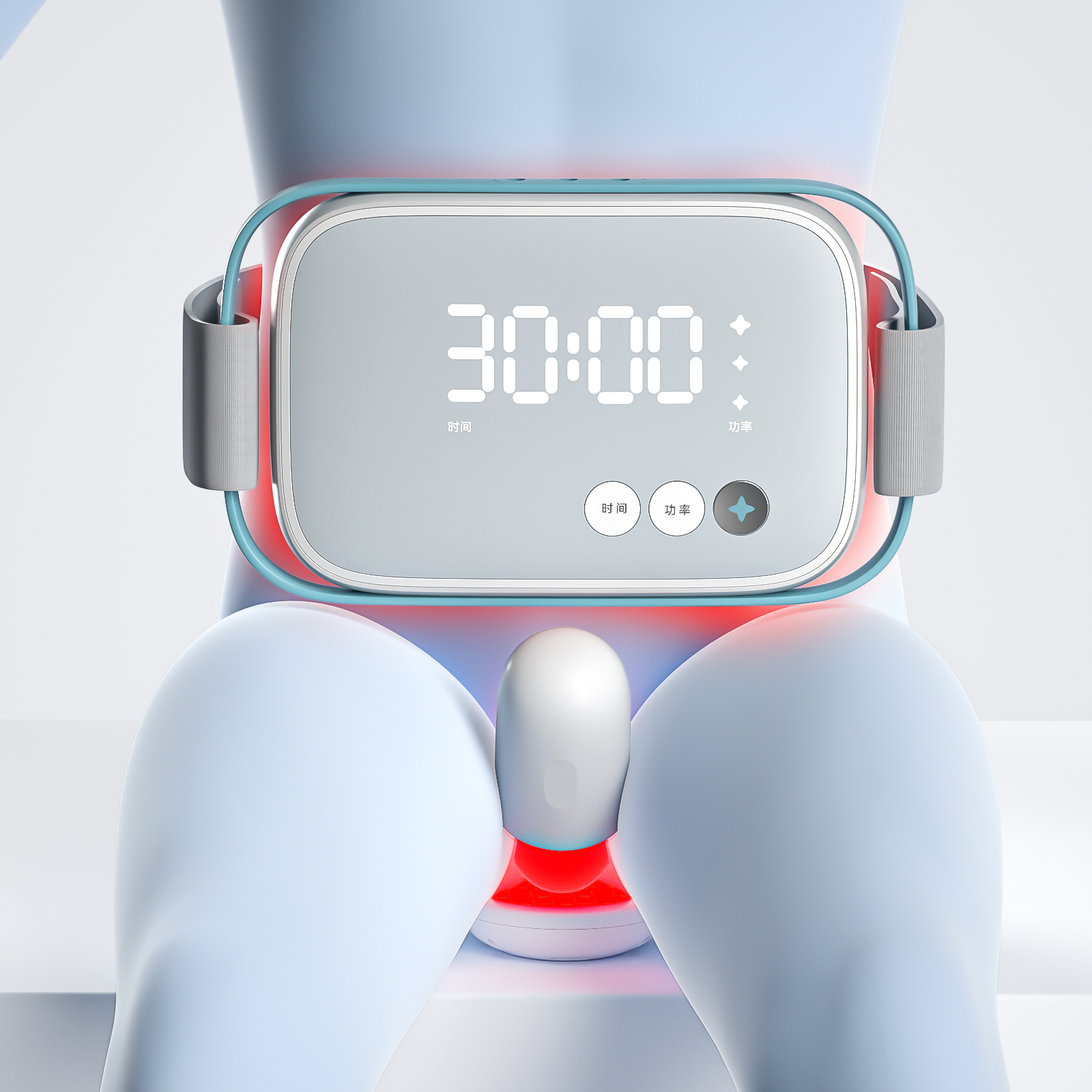
Editor’s Note
**Editor’s Note:**
This article highlights a key shift in wellness product procurement: the focus is no longer on supplier breadth but on strategic category alignment. For buyers evaluating handheld lasers, cold laser systems, and related devices, success hinges on matching product format to market intent, user scenario, and long-term assortment planning.
GUANG TAI provides a diversified range of light-based and electronic wellness product categories for buyers evaluating portable, wearable, and application-specific equipment. As distributors, wellness-product importers, and product-development teams compare a Handheld laser device, Cold Laser device system, and related product formats, the central purchasing challenge is no longer simply finding a supplier with a broad catalog. It is identifying the product category that best matches the intended market, user scenario, product presentation, and long-term assortment strategy.
Handheld laser devices are portable light-based equipment options within a broader portfolio of laser, red-light, wearable, and electronic wellness product categories.
For buyers, this distinction matters. A portable device, wearable cap, laser watch, pad-based product, and electronic microcurrent device may all appear in the same wellness-equipment purchasing discussion, but they are not interchangeable. They involve different product formats, consumer expectations, operating instructions, documentation needs, and destination-market considerations. GUANG TAI helps buyers begin with a clearer category structure before moving into product selection, sample review, packaging decisions, and order planning.
GUANG TAI handheld laser devices offer a defined starting point for purchasers who want to evaluate compact light-based equipment without treating every laser or red-light product as the same type of solution. A Handheld laser device is often considered where portability, a focused product format, accessory planning, and straightforward product presentation are important to the purchasing decision.
Buyers may search for a Cold Laser device or laser therapy device, but these terms can lead to many different product formats. Some purchasers may need a compact device for a focused product line; others may be developing a wider range that includes wearable equipment, hair-care products, or electronic wellness devices. The right starting point is therefore not a broad claim about what a device can do, but a clear evaluation of what type of product the buyer intends to source.
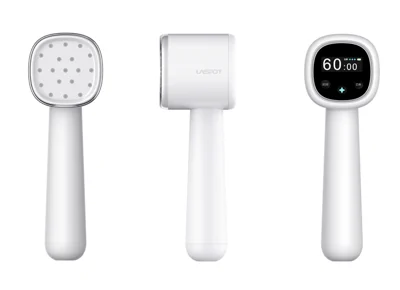
Before selecting a Handheld laser device, purchasers commonly need to consider:
– Whether a portable format is appropriate for the intended sales channel and end-user scenario.
– Which product configuration, operating method, accessories, and packaging presentation are required.
– What labeling, instructions, and destination-market documentation should be reviewed before launch.
This product-first approach supports more disciplined purchasing. It also helps buyers avoid a common problem in wellness-equipment sourcing: choosing a generic item first and only later realizing that its form factor, use scenario, or retail positioning does not match the intended market.
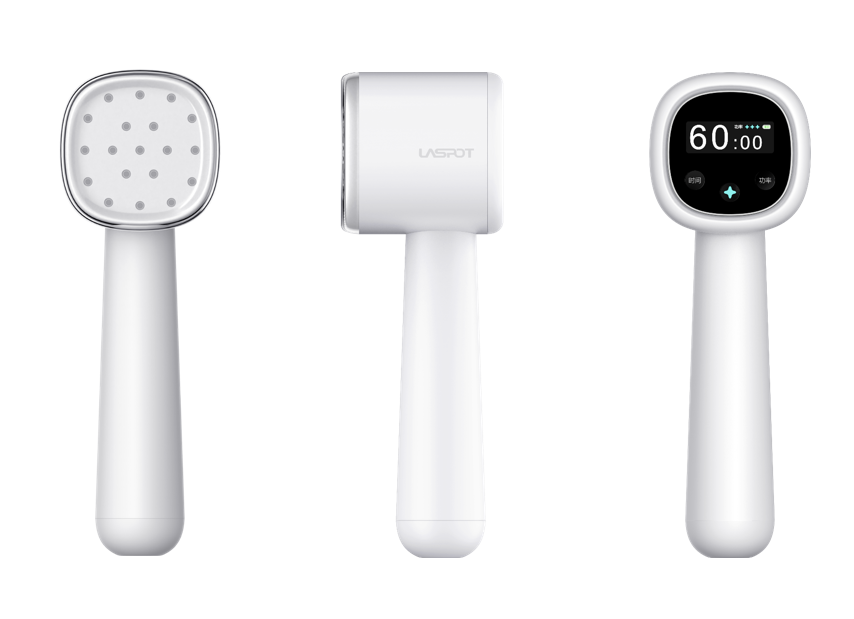
GUANG TAI handheld laser devices are distinct from wearable and category-specific products, even where the products share a broad light-based or wellness-related context. Buyers who understand this difference can create a more coherent product assortment and reduce confusion during product selection.
A laser hair growth cap, for example, is a wearable hair-care product format. Its review process may involve considerations such as fit, wearing comfort, product presentation, power supply, consumer instructions, and the role of the product within a hair-care range. These factors are different from the evaluation of a Handheld laser device, which is generally considered as a portable item with its own handling, accessory, and product-positioning requirements.
A laser watch is another distinct wearable format. Buyers considering a laser watch may focus on compact design, user operation, charging method, display or control considerations, packaging, and its suitability for a wearable wellness-product line. Although a laser watch and a Handheld laser device can both be evaluated within a broader laser-product portfolio, they should be assessed according to their own product format and market role.
This segmentation is important for distributors and product planners. A portfolio may include more than one category, but each product needs a clear reason to exist within the assortment. A portable device should not be positioned as a substitute for a wearable cap, and a wearable product should not be described as though it performs the same commercial role as a handheld item.
GUANG TAI handheld laser devices may be relevant to buyers reviewing laser pain relief categories where a portable, focused-use product format is part of the intended concept. However, product planning should remain specific. Buyers should not assume that every product associated with laser pain relief has the same form, operating method, documentation requirement, or sales-channel fit.
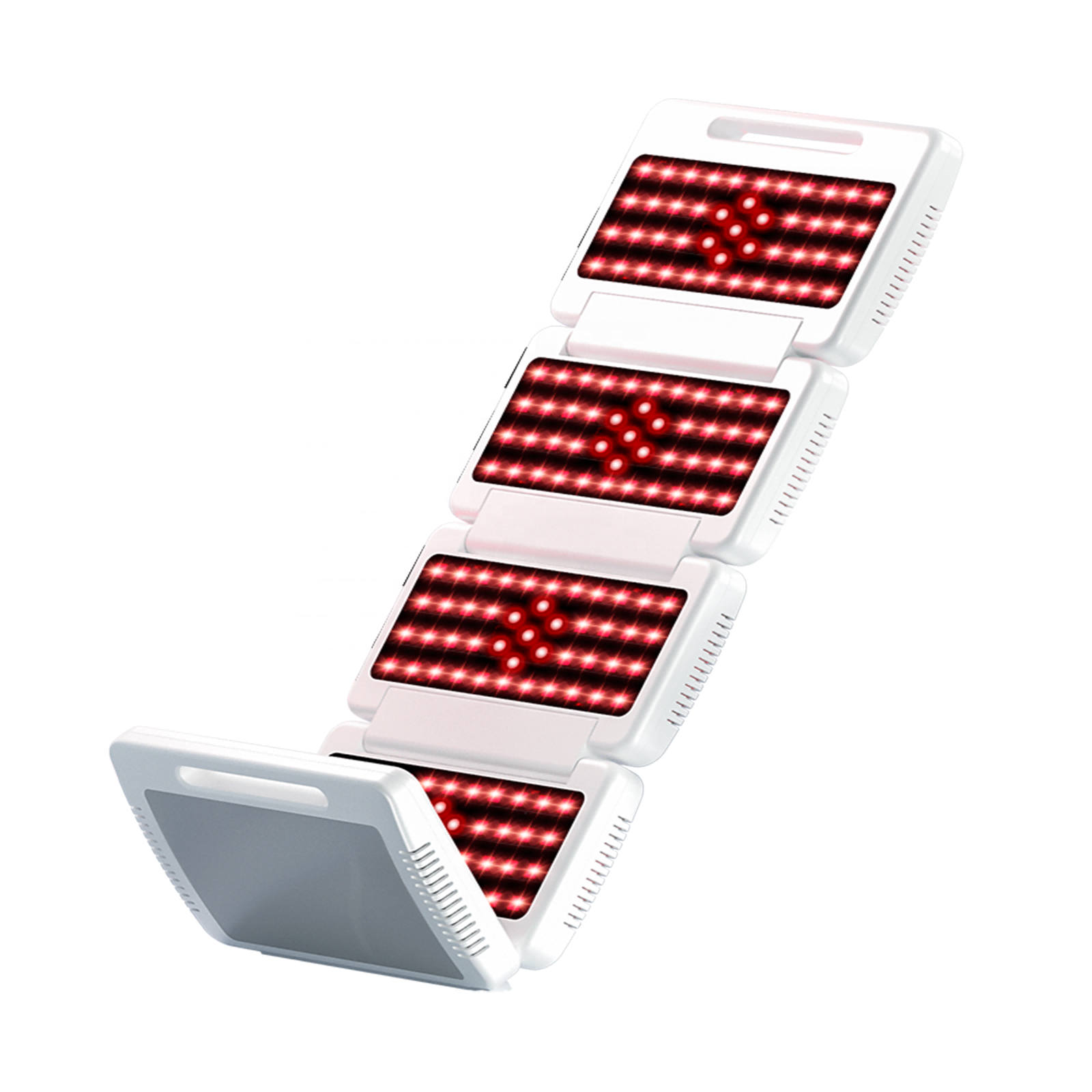
Laser pain relief pads represent a separate product concept from a portable handheld format. A pad-based or wearable format may require buyers to consider material choices, contact surfaces, product placement, packaging, instructions, and the way the product is presented to the target market. A Handheld laser device may instead require attention to portability, handling, controls, accessories, and a different user-experience framework.
The same principle applies when buyers compare a Cold Laser device with a broader laser therapy device. The terms may overlap in commercial discussions, but procurement decisions should be based on the actual product category and product configuration, not on a broad keyword alone.