Editor’s Note
**Editor’s Note:** The Asia BioTech Expo opened with a significant milestone for Taiwan’s biotech sector: the inaugural release of the “Taiwan Exosome Industry Mapping Plan.” This comprehensive inventory, jointly unveiled by TBIDA and the Taiwan Exosome Academic-Industry Alliance, maps the entire domestic exosome value chain—from raw materials and R&D to manufacturing, branding, pharmaceuticals, distribution, and regenerative medicine.
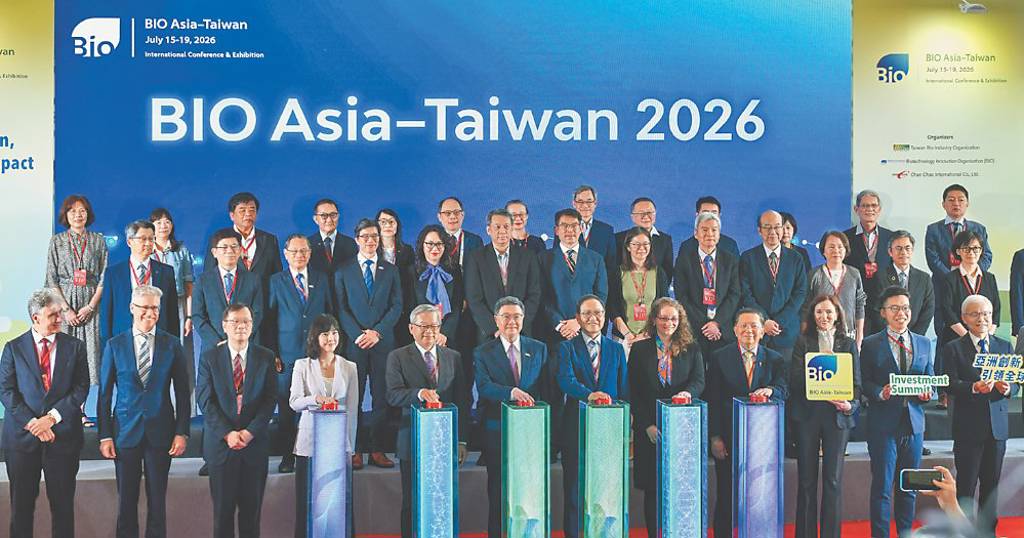
The Asia BioTech Expo opened on the 16th, with the Taiwan Bio Industry Development Association (TBIDA) and the Taiwan Exosome Academic-Industry Alliance jointly releasing the “Taiwan Exosome Industry Mapping Plan” for the first time. The plan comprehensively inventories the domestic exosome industry chain, integrating resources in raw materials, R&D, manufacturing, branding, pharmaceuticals, distribution channels, and regenerative medicine to build a complete industry ecosystem. The goal is to position Taiwan as a key hub in the global exosome supply chain.
He Jin-Cang, Deputy Minister of the Ministry of Economic Affairs, stated that the government is promoting the transformation of micro, small, and medium enterprises, emphasizing industrial ecosystem-driven upgrades, with exosomes as a representative case. In recent years, thousands of companies in Taiwan have entered the exosome field, establishing independent R&D and raw material manufacturing capabilities. Combined with AI, advanced manufacturing, and brand advantages, this is expected to enhance international competitiveness. He pointed out that the localization of exosome raw materials will not only help upgrade the cosmetics industry, which is worth over NT$200 billion, but could also increase product value by 3 to 10 times.
The mapping plan covers over 1,000 cosmetics factories, approximately 1,500 medical aesthetics clinics, 25,800 pharmaceutical and cosmetics retail channels, and the regenerative medicine industry chain. It connects R&D, manufacturing, clinical applications, and overseas markets to establish a complete industry cluster.
Cai Zheng-Xian, Vice Chairman of TBIDA, noted that Taiwan has over 30 years of foundation in regenerative medicine R&D, and the integration of AI into R&D processes has created new competitive advantages. Currently, distributors from 26 countries, including Japan, the United States, South Korea, and Dubai, have come to Taiwan to discuss cooperation, indicating that Taiwan’s exosome industry is gradually entering the international market.
Chen Ke-Yang, Advisory Chairman of the Taichung Cosmetics Industry Association, pointed out that Taiwan was once known as the “Mask Kingdom,” but has faced international competition in recent years. If it can master key exosome raw materials and combine them with mature manufacturing capabilities, it could drive the beauty industry back to growth and create a “Regenerative Beauty Team Taiwan.”
Li Lin-Yuan, Chairperson of the Taiwan Beauty Valley Industry Innovation Alliance, stated that exosomes are emerging raw materials at the regenerative medicine level. Beyond technical R&D, it is necessary to establish regulations, quality management, and market communication mechanisms. She suggested focusing on the Southeast Asian market and targeting niche applications such as chronic skin inflammation.
Lin Liang-Chen, Director of the Taiwan Laser and Photonics Medical Association, noted that exosomes have seen rapid growth in dermatology and medical aesthetics applications in recent years. As domestic raw materials and processes mature, this could enhance clinical self-sufficiency and strengthen Taiwan’s international competitiveness.
The organizers stated that they will continue to open enterprise registration and use the Asia BioTech Expo as an annual exchange platform. This will serve as a key reference for the government in promoting industrial policies, overseas expansion, and international supply chain matchmaking, enhancing the global visibility of Taiwan’s exosome industry.