
Editor’s Note
**Editor’s Note:** This article explores a common post-procedure observation among patients undergoing under-eye bag treatments, with insights from Dr. Guo Hongyi on the temporary changes in periorbital appearance during recovery.
Many individuals who undergo under-eye bag-related medical treatments hope to improve their periorbital appearance. However, during the recovery period, some may notice that the “eye bags” (a natural bulge under the lower eyelid, often more visible when smiling) become less prominent, leading to questions about whether this is related to the procedure.
Dr. Guo Hongyi, Director of the Glamour Aesthetic Clinic, stated that such inquiries occasionally arise in clinical practice. However, changes in the appearance of the under-eye bulge may be related to multiple factors, including periorbital tissue, muscle activity patterns, and individual anatomical conditions. Whether it is linked to the medical treatment requires further evaluation by a physician.
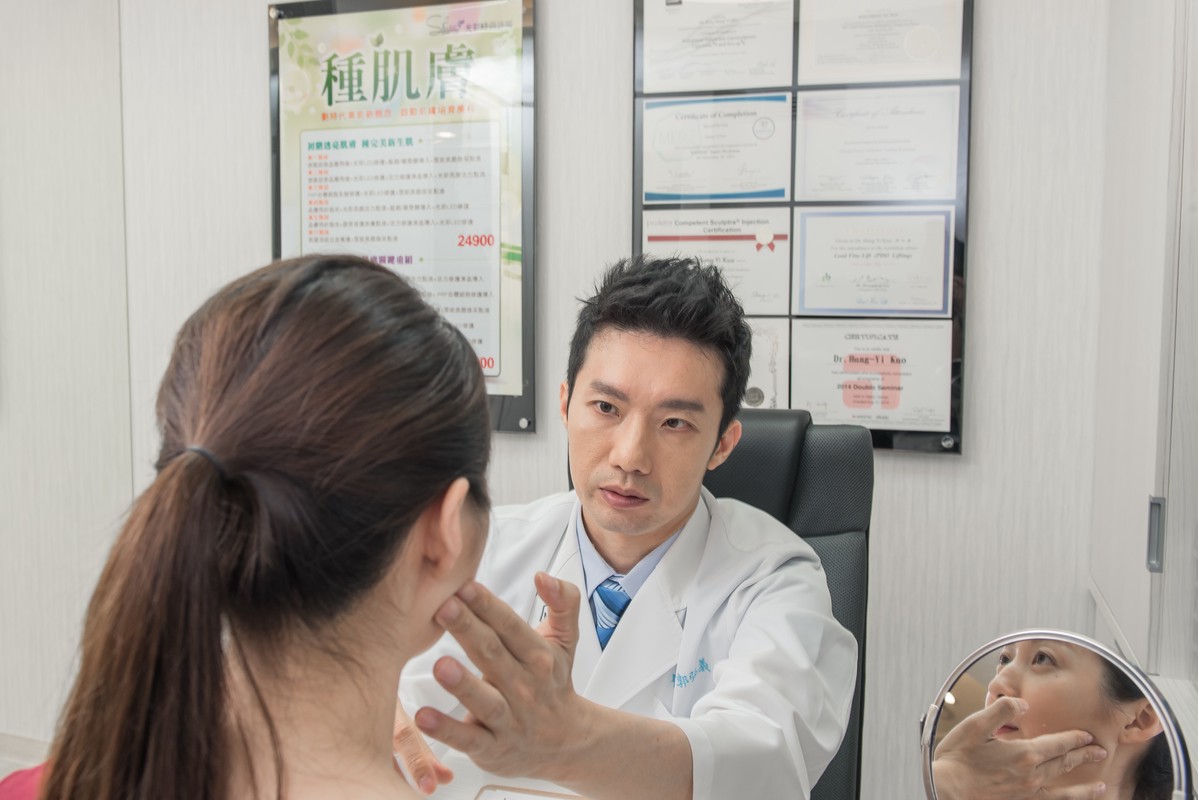
Dr. Guo pointed out that although the under-eye bulge and eye bags are located close to each other, their formation mechanisms are different. The under-eye bulge is primarily a natural elevation formed by the activity of the orbicularis oculi muscle when smiling or squinting. In contrast, eye bags are usually associated with factors such as fat herniation, tissue laxity, and aging.
He explained that under-eye bag-related medical treatments primarily aim to adjust periorbital tissues. Postoperatively, due to individual differences in constitution, tissue recovery, and periorbital structure, some individuals may experience a less prominent under-eye bulge. However, the actual cause must be determined through professional evaluation and should not be judged solely based on changes in appearance.
Regarding the planning of the under-eye bulge appearance, Dr. Guo stated that current clinical practice involves a comprehensive assessment of individual periorbital conditions, tissue support, and aesthetic proportions to determine the appropriate medical approach. Different treatment methods have their own indications and limitations. Whether further intervention is needed should be based on a physician’s recommendation after an in-person consultation.

The physician noted that during such evaluations, the following factors are typically considered:
1. Periorbital tissue support: Understanding the individual’s periorbital tissue condition and structural characteristics.
2. Overall aesthetic proportions: Planning based on facial features and individual needs.
3. Expression activity: Observing changes in the periorbital area during smiling and different facial expressions.

4. Recovery status and individual differences: Taking into account the postoperative recovery process and individual constitution.
Dr. Guo reminded that each individual’s periorbital structure, skin condition, and treatment needs are different. Whether under-eye bag and bulge-related medical treatments are suitable, which method to adopt, and the potential outcomes all require evaluation by a physician during an actual consultation. Before undergoing any medical treatment, patients should fully understand the treatment method, recovery period, potential risks, and limitations, and communicate thoroughly with their physician to jointly discuss a suitable medical plan.