Editor’s Note
**Editor’s Note:** This article provides an overview of the medical packaging market, highlighting its essential role in preserving sterility and safety for healthcare products.
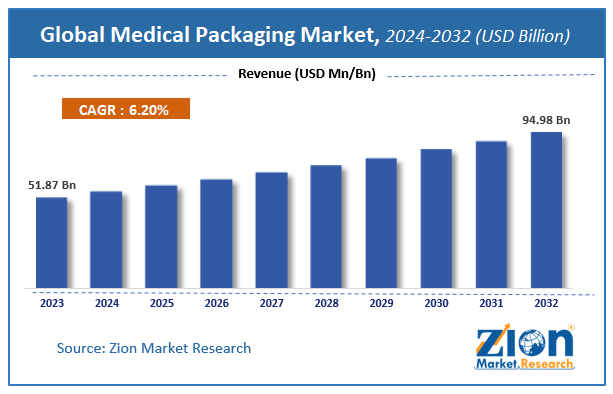
Medical packaging refers to specialized containment systems designed to maintain the sterility, integrity, and safety of healthcare products from manufacturing through distribution and final use. These solutions utilize clinical-grade materials such as polymers, paper, and nonwovens to create microbial barriers, protect against environmental factors, and ensure tamper evidence while facilitating easy access in clinical settings. Medical packaging plays a critical role in preventing contamination, extending shelf life, and complying with stringent regulatory standards for patient safety.
Market dynamics are propelled by growing global healthcare expenditure, rising prevalence of chronic diseases requiring frequent medical interventions, and increasing adoption of home healthcare solutions. Strict regulatory mandates for infection control and product safety further accelerate demand for advanced packaging technologies. While raw material price volatility and environmental concerns around single-use plastics act as restraints, opportunities arise from innovations in sustainable and smart packaging. Challenges include balancing cost-effectiveness with high-performance requirements and navigating complex global supply chains for specialized materials.
Key players in the market include Amcor plc, Berry Global Group Inc., Oliver Healthcare Packaging, Bemis Company, DuPont, WestRock Company, Sealed Air Corporation, Sonoco Products Company, Nelipak Healthcare Packaging, Constantia Flexibles, Technipaq Inc, and others.
Based on Applications, the Medical Devices segment held the largest share of approximately 38% due to the high-frequency production and packaging requirements of daily clinical disposables like syringes, catheters, and intravenous delivery kits.
Based on Packaging Type, the Bags and Pouches segment dominated with a share of 42% because these lightweight formats deliver cost-effective microbial isolation, flexible custom scaling, and effortless cleanroom opening mechanisms for surgical teams.
North America dominated the global market with a share of 40% in 2024 due to highly stringent regulatory enforcement by regional health agencies, massive clinical equipment manufacturing infrastructure, and high consumer spending on advanced medical treatments.
The continuous expansion of surgical centers, outpatient facilities, and emergency care units drives substantial demand for medical packaging. Aging populations and increasing chronic disease prevalence lead to higher procedure volumes, necessitating pre-sterilized, single-use kits to minimize hospital-acquired infections. Healthcare providers prioritize packaging that ensures immediate tool sterility and compliance with safety protocols.
Regulatory emphasis on infection prevention and quality standards further reinforces consistent demand for high-performance medical packaging solutions across clinical settings.
Fluctuations in raw material prices, particularly medical-grade polymers derived from petroleum, create margin pressure and pricing instability for manufacturers. These cost variations can impact profitability, especially when passed on to budget-conscious healthcare providers.
Environmental regulations targeting single-use plastics add complexity, as medical packaging waste requires specialized handling, pushing companies toward sustainable alternatives while maintaining strict sterility standards.
Development of bio-based and recyclable packaging materials that meet stringent sterility and performance requirements presents significant growth opportunities. These innovations appeal to environmentally conscious healthcare providers and support regulatory compliance with sustainability goals.
Expansion of home healthcare and personalized medicine creates demand for user-friendly, custom packaging formats suitable for direct-to-patient delivery.