
Editor’s Note
**Editor’s Note:** This article examines the projected growth of the Laser Ophthalmic Treatment Machine market through 2035, driven by increasing cataract volumes and evolving demand dynamics. The analysis highlights a 5.9% CAGR and a more diversified global supply landscape.
The Laser Ophthalmic Treatment Machine market enters 2026 with broader demand fundamentals, more disciplined procurement behavior, and a more regionally diversified supply architecture.
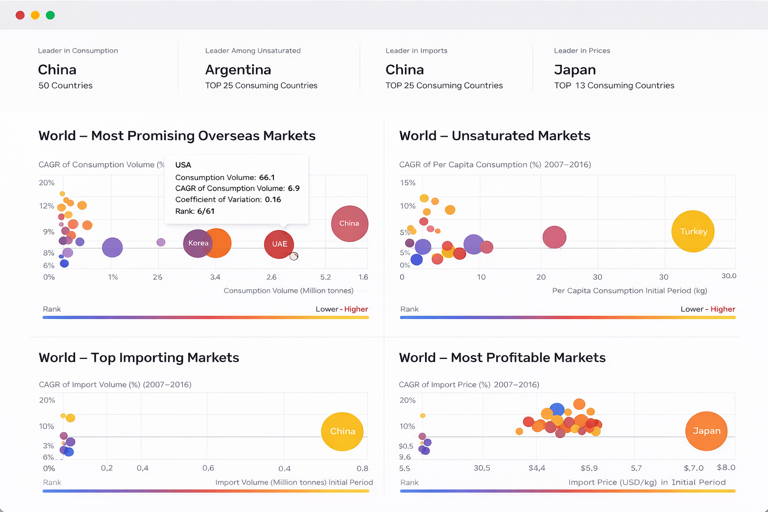
The World Laser Ophthalmic Treatment Machine market is projected to expand at a compound annual growth rate (CAGR) of 5.9% from 2026 to 2035, reaching a market index of 175 (2025=100). This growth is underpinned by the rising global burden of cataract and refractive disorders, with an estimated 28 million cataract surgeries performed annually as of 2025, a figure expected to increase by 3-4% per year as populations age in Asia-Pacific and Latin America. Femtosecond laser-assisted cataract surgery (FLACS) continues to gain procedural share, particularly in ambulatory surgery centers in North America and Western Europe, where reimbursement differentials increasingly justify the higher capital outlay. Refurbished and pre-owned laser platforms are capturing 15-20% of total unit placements in emerging economies, enabling smaller clinics and hospitals to upgrade from older technologies without full-cost procurement. Integration of intraoperative optical coherence tomography (OCT) and real-time diagnostic feedback into treatment lasers is becoming a standard differentiation feature, pushing average selling prices upward by approximately 12-18% per system. The market is characterized by a high degree of import dependence, with imports satisfying more than 60% of demand in nearly two-thirds of national markets worldwide. Top-tier manufacturing remains concentrated in Germany, the United States, Japan, and Switzerland, while regulatory clearance cycles for new models typically require 18-30 months, limiting the speed of new product adoption. Key challenges include reimbursement compression in major markets, supply chain concentration for critical laser components, and evolving cybersecurity mandates for connected devices. This report provides a comprehensive analysis of market size, trends, and forecasts.
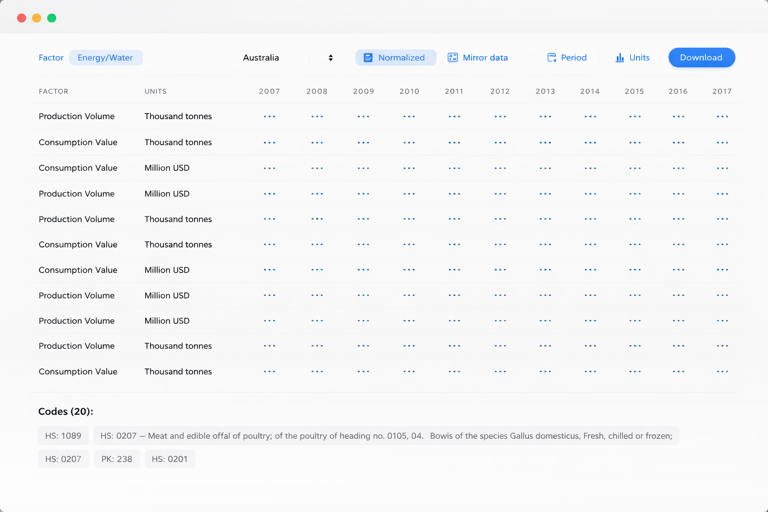
The baseline scenario for the Laser Ophthalmic Treatment Machine market from 2026 to 2035 assumes a steady macroeconomic environment with moderate global GDP growth (2.5-3.0% annually), stable healthcare expenditure expansion, and gradual adoption of advanced laser technologies across both developed and emerging markets. Under this scenario, the market is projected to grow at a CAGR of 5.9%, driven by the increasing prevalence of age-related eye diseases, particularly cataracts and presbyopia, and the ongoing replacement of older YAG and excimer platforms with femtosecond and multi-wavelength systems. Premium femtosecond laser machines, priced between USD 350,000 and USD 550,000, are expected to account for roughly 35-40% of new equipment revenue by 2035, up from 30-35% in 2025, as more hospitals and surgery centers adopt FLACS for its precision and reduced complication rates. Lower-cost YAG and diode lasers (USD 50,000-150,000) will continue to dominate volume sales in price-sensitive public-sector tenders across Asia and Latin America, where budget constraints limit upfront capital expenditure. The refurbished equipment segment is anticipated to maintain a 15-20% share of unit placements, particularly in India, China, and Brazil, supported by third-party service providers and OEM-certified pre-owned programs. Reimbursement compression in the U.S. Medicare fee schedule and European DRG systems is expected to lengthen replacement cycles for premium laser equipment beyond the typical 5-7 years, moderating growth in high-income markets. Supply chain diversification efforts, including the establishment of alternative optical fiber and gas mixture sources in Southeast Asia, will gradually reduce vulnerability to input cost volatility. Regulatory harmonization under the Medical Device Regulation (MDR) in Europe and evolving cybersecurity mandates globally will increase compliance costs but also raise barriers to entry for lower-quality products.
– Aging global population increasing prevalence of cataracts and presbyopia, driving demand for surgical interventions
– Rising adoption of femtosecond laser-assisted cataract surgery (FLACS) for improved precision and outcomes
– Technological integration of intraoperative OCT and real-time diagnostics into laser platforms
– Expansion of ambulatory surgery centers (ASCs) in North America and Europe, favoring capital equipment investment
– Increasing availability of refurbished and pre-owned laser systems lowering entry barriers for smaller clinics
– Supply chain concentration for critical components (excimer gas mixtures, high-precision optics) creating vulnerability to shortages
– Stringent regulatory clearance cycles (18-30 months) and evolving cybersecurity mandates raising compliance costs
– High upfront cost of premium femtosecond systems limiting adoption in price-sensitive public-sector markets