Editor’s Note
**Editor’s Note:** This article clarifies the science behind Botox, addressing common misconceptions about whether it fills or paralyzes wrinkles. It offers essential insights into how botulinum toxin works on the skin and outlines potential risks, providing readers with a balanced overview for informed decision-making.
What Botox Really Does to the Face: Does It Fill or Paralyze Wrinkles?
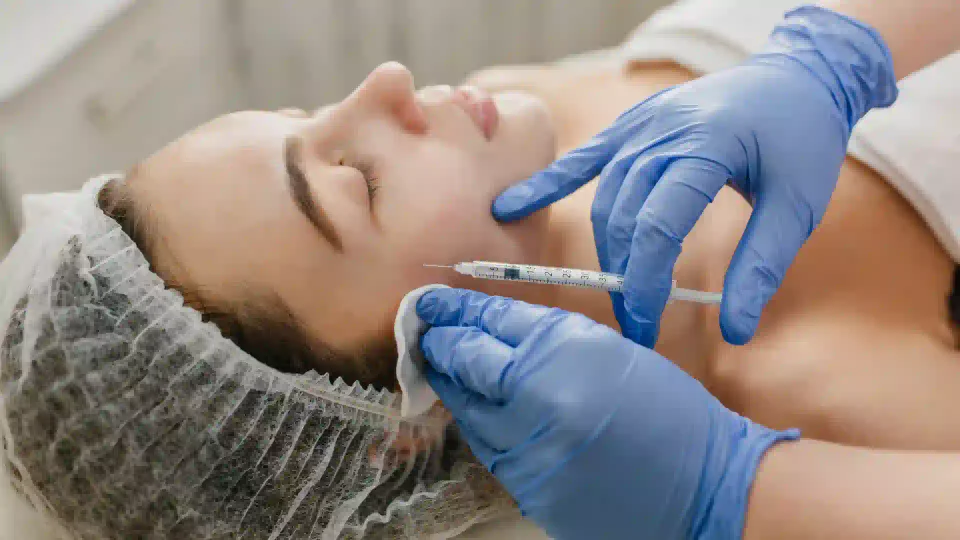
Here is what you need to know about the application of botulinum toxin on the face, what happens when it enters the skin, and the potential risks.
Photo: designed by Magnific
Noticias RCN
July 11, 2026
09:59 a.m.
Botox has long ceased to be a topic exclusive to celebrities and has become part of everyday conversations about wellness, aesthetics, and health.
However, behind its popularity, key questions persist: What is it really for? Who can use it? What are its risks and benefits?
What is called Botox is, in medical terms, botulinum toxin, a substance produced by the bacterium Clostridium botulinum. Although its name may cause alarm, its use in controlled doses for medical purposes has scientific backing in various areas of health.
Its mechanism of action is relatively simple: it temporarily blocks the nerve signal that causes muscles to contract.
This allows specific areas of the body to relax, which explains its most well-known use in aesthetic medicine: reducing expression wrinkles. Lines on the forehead, between the eyebrows, or crow’s feet are often treated with this technique to achieve a smoother, more rested appearance.
Who is it indicated for? In aesthetics, it is usually recommended from the age of 30, when dynamic wrinkles—those that appear with movement—begin to become permanent.
However, there is no single age: the indication depends on skin condition, habits, and medical evaluation. In the clinical field, it can be applied to patients of different ages, explained Liliana Urrego, CEO of Luvanna.

But its scope goes beyond cosmetics. In medicine, botulinum toxin is used to treat conditions such as excessive sweating, bruxism, some types of chronic migraine, and muscle disorders. In these cases, its application is not aimed at a visual change but at improving the patient’s quality of life.
As for benefits, specialists highlight several. In aesthetics, besides softening wrinkles, it can prevent them from deepening over time. It also offers quick results, without the need for surgery or long recovery times.
In the medical field, it can relieve pain, reduce disabling symptoms, and improve altered muscle functions.
According to the CEO of Luvanna, no procedure is without risks. The most common side effects include redness, swelling, or small bruises at the application site. In less frequent cases, facial asymmetry, temporary drooping of the eyelids, or unnatural results may occur if not applied correctly.
There are also other contraindications. It is not recommended for pregnant or breastfeeding women, nor for people with certain neuromuscular diseases. Additionally, it is essential to inform the doctor about any medications or pre-existing conditions before undergoing treatment.

Botox does not transform the face or stop aging. Its function is to soften and prevent, maintaining a natural appearance if used properly. When overused or applied without criteria, the results can be counterproductive.
Personal Care