Editor’s Note
**Editor’s Note:** The MFDS has dispatched a public-private joint support team to Indonesia to help domestic cosmetics companies navigate new mandatory halal certification requirements, aiming to ease regulatory and customs burdens.
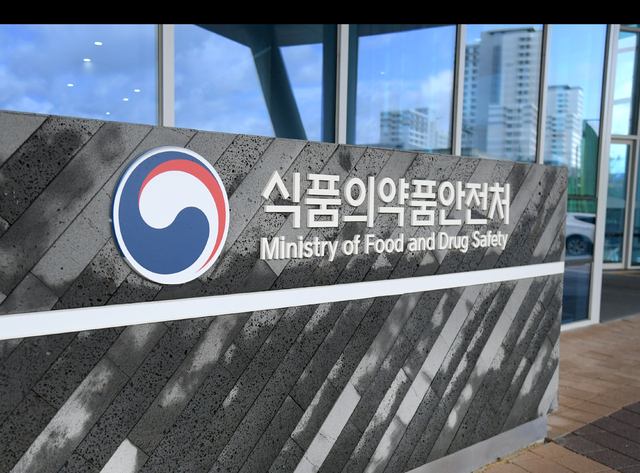
The Ministry of Food and Drug Safety (MFDS) is taking steps to reduce the certification and customs clearance burden for domestic cosmetics companies in response to Indonesia’s mandatory halal certification. On the 20th, the MFDS announced the dispatch of a ‘Public-Private Joint Support Team for Entry into Indonesia’ to address the mandatory halal certification requirements.
Starting October 18th, Indonesia will apply mandatory halal certification to cosmetics, natural medicines, health functional products, chemical products, and some household items. Imported products sold in Indonesia are also subject to this requirement, and violations may result in administrative measures such as written warnings, administrative fines, certification cancellation, and product recalls.
Halal certification is not merely a process to verify whether raw materials contain ingredients prohibited by Islamic law, such as pork or alcohol. It also examines whether cross-contamination with non-halal products has been prevented throughout manufacturing, packaging, storage, and distribution. Consequently, domestic export companies are likely to need to inspect not only their products but also documents related to manufacturing sites and supply chains.
The MFDS has formed a support team of 27 members, led by the Director General of the Biopharmaceutical Bureau, including officials from the Korea Pharmaceutical Export-Import Association, the Korea Testing & Research Institute (KTC), and representatives from cosmetics export companies.
In a high-level meeting with the Indonesian Food and Drug Authority (BPOM), the support team will discuss improving procedures for bringing in non-commercial samples and establishing a permanent cooperation channel between the regulatory authorities of both countries. Simplifying the import procedures for samples needed for new product registration or local marketing is expected to reduce the time for companies to enter the market.
In a meeting with the Halal Product Assurance Agency (BPJPH), which is responsible for halal certification, the team will request a grace period for products that have already cleared customs before the implementation of the halal certification system. They also plan to discuss improvements to the certification process, such as exempting existing certified manufacturing sites from duplicate audits.
On the 22nd, a business meeting will be held in Jakarta with officials from the Indonesian Food and Drug Authority and the Halal Product Assurance Agency. The meeting will explain the changing halal system and cosmetics regulations and provide on-site answers to questions from domestic companies. The support team also plans to visit local cosmetics manufacturing sites and Korean cosmetics sales outlets to listen to companies’ difficulties and reflect them in future system improvements.