Editor’s Note
**Editor’s Note:** This article highlights how Forrest Bird’s aviation expertise led to the Bird Mark 7 respirator, a compact device that made mechanical ventilation more practical and accessible across hospital settings.
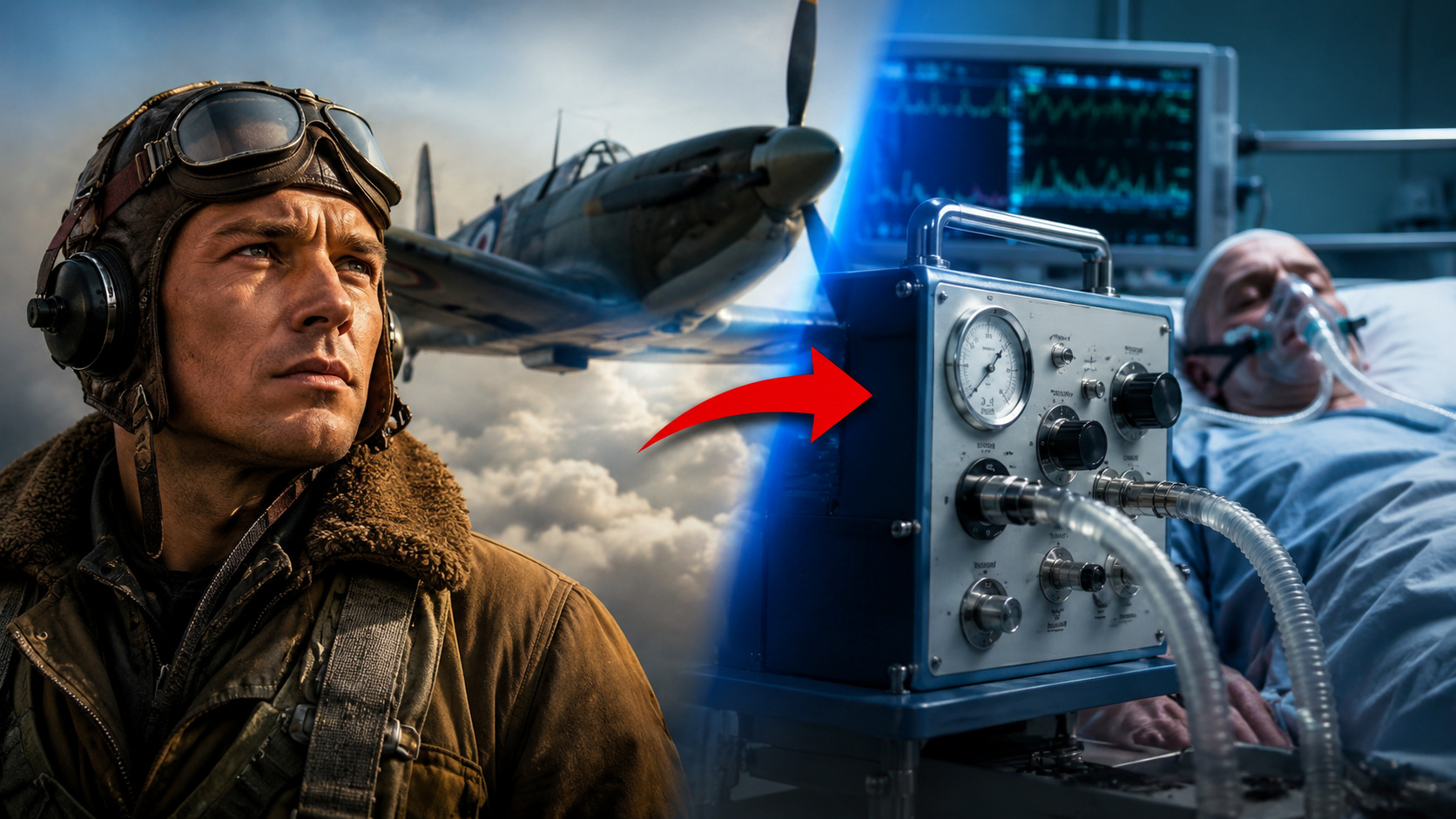
Forrest Bird’s experience with air pressure used in aviation led to the creation of the Bird Mark 7, a compact mechanical respirator that expanded support for patients with difficulty breathing in hospitals, emergencies, and intensive care units. The equipment was not the first respirator in history, but it helped make mechanical ventilation more practical, portable, and available in different hospital settings.
His contact with military aircraft allowed him to become familiar with complex mechanical systems, oxygen regulators, and devices that needed to operate under extreme conditions. These devices could not afford delayed responses or frequent failures. The pilot’s life depended on a small, resilient system capable of providing air continuously during the flight.
Bird realized that patients with respiratory failure faced a similar problem. Respiratory failure occurs when the lungs cannot provide enough oxygen to the body or properly remove used air. At the time, he worked at Lackland Air Force Base, located in San Antonio, in the U.S. state of Texas.

The experience in aviation helped Bird to view the problem from another angle. If a compact machine could control the oxygen of a pilot inside an aircraft, a similar system could be adapted to supply air to a patient’s lungs.
From this connection, he began to develop a device that combined compact design with reliable pressure control. By the late 1950s, Forrest Bird had already developed the first prototype of the respirator that would bear his name. The device provided controlled pressure to the lungs and could be adjusted by the professionals responsible for the care.
The official health network of the Department of Defense recorded that the device was compact, lightweight, and easy to transport. These characteristics allowed its use in hospitals, intensive care units, and emergency transports. The Bird Mark 7 occupied less space than many respirators existing at that time. This facilitated the movement of the equipment between different sectors and allowed the respiratory support to accompany the patient when necessary.
The basic operation of the Bird Mark 7 can be understood without complicated terms. The device sent air to the lungs using controlled pressure, helping the patient perform the necessary movement to breathe. The ability to adjust the device allowed its use in different situations. People with severe respiratory problems, patients treated in emergencies, and premature babies with underdeveloped lungs might need this type of support.

Before smaller devices, the size and complexity of respirators limited the places where they could be used. A machine difficult to transport remained confined to specific sectors and could not easily accompany the patient’s movement. The change had a direct impact. A smaller device could be taken to different areas of the hospital and used in situations where time was crucial to keep the patient breathing.
Current ventilators have sensors, electronic systems, and much more advanced controls. Even so, they continue to use essential principles present in Bird’s work, such as controlled air supply and the ability to adjust pressure for each patient. Reliability also remains indispensable. When a person depends on a machine to breathe, the device needs to operate continuously and respond accurately to the settings made by the medical team.
Another legacy was the pursuit of equipment that can be used in different environments. Hospitals, intensive care units, and emergency transports need ventilators suitable for the conditions of each service.
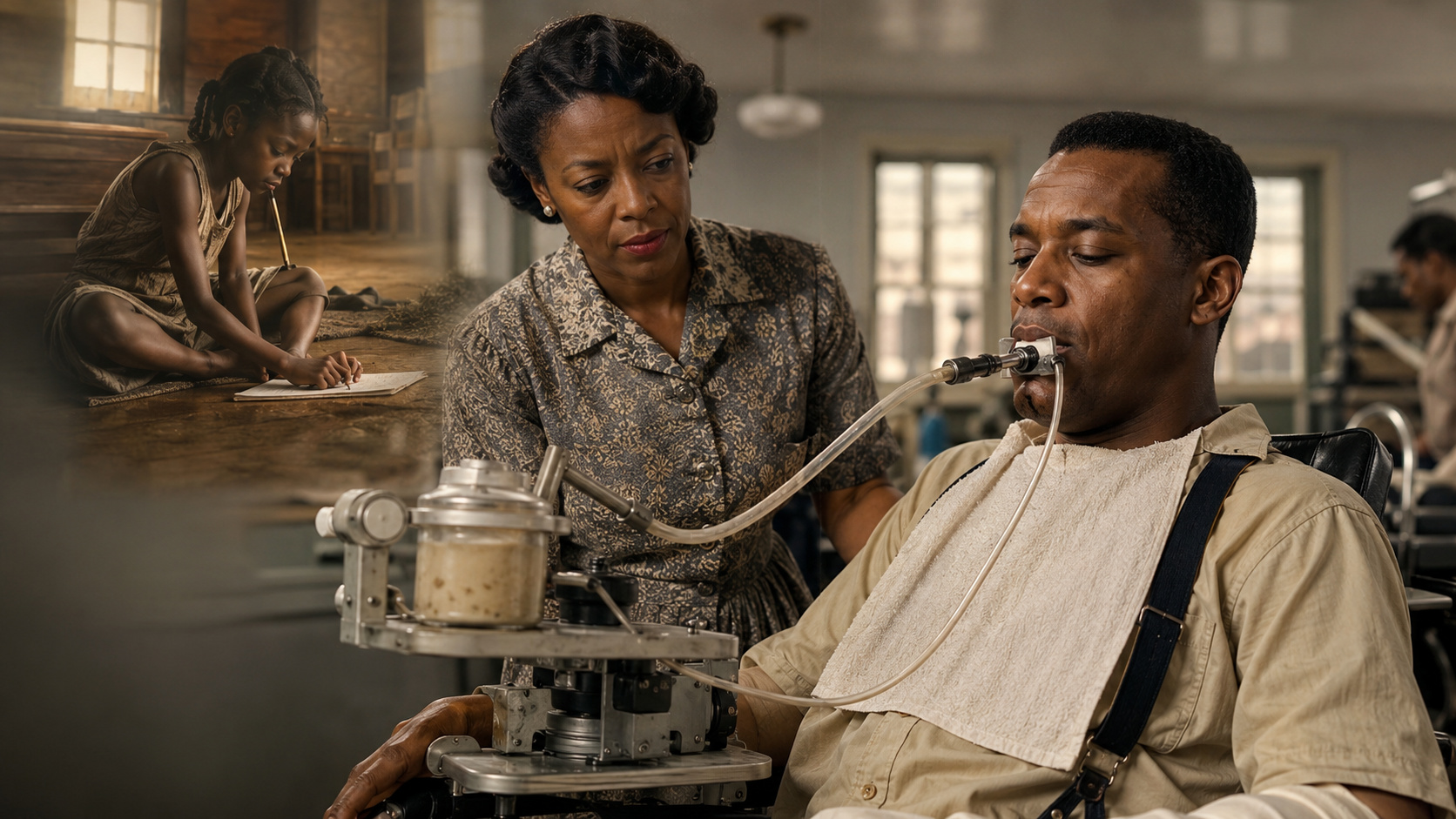
The experience gained in military aircraft allowed Bird to identify a connection between the body of a pilot at high altitude and the lung of a patient with respiratory difficulty. In both cases, survival depended on adequate pressure, oxygen control, and reliable operation. The Bird Mark 7 transformed this perception into a practical solution. The technology developed to face the risks of flight found a place in hospitals and contributed to expanding access to respiratory support.