Editor’s Note
**Editor’s Note:** This article examines how rising medical tourism and the growing use of GLP-1 obesity treatments are reshaping aesthetic care. We highlight Pharmaresearch’s recent symposium, where experts presented customized skin regeneration strategies to address these market shifts.
[PRESS9] As medical tourism by foreign patients increases and the use of GLP-1-based obesity treatments expands, treatment strategies in the aesthetic market are also evolving. In response, Pharmaresearch held an academic symposium for medical professionals, sharing the latest clinical experiences in customized skin regeneration therapies.
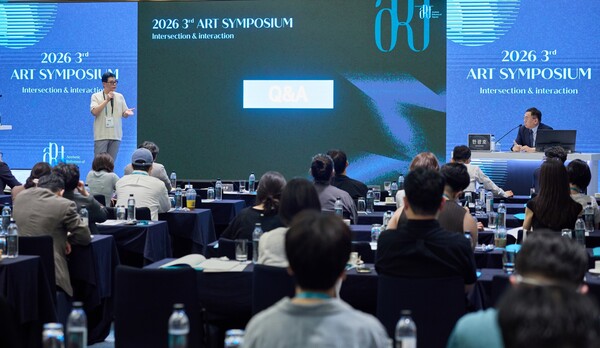
Pharmaresearch announced on the 21st that it held the ‘2026 ART Symposium,’ an academic event for medical professionals, on the 18th at the Grand Josun Busan in Haeundae-gu, Busan. Approximately 120 medical professionals from the Gyeongsang region attended the event to share the latest clinical experiences and treatment cases.
The symposium was held in Busan against the backdrop of the growing medical tourism market. According to the Ministry of Health and Welfare’s performance data on attracting foreign patients, Busan has become the second most visited city for foreign patients after Seoul, and the scale of attracting foreign patients has recently increased significantly. The industry expects that as demand for medical tourism expands, centered on dermatology and plastic surgery clinics, competition in the aesthetic sector among local medical institutions will intensify.
During the event, clinical experiences with various aesthetic treatments were shared, including PN (polynucleotide)-based skin boosters, hyaluronic acid fillers, and biostimulators. Presenters introduced customized approaches based on the patient’s skin condition and treatment area, as well as combination treatment strategies.
In particular, GLP-1-based obesity treatments, which have recently drawn significant attention in the medical community, emerged as a major topic. Medical professionals explained that as GLP-1-based obesity drugs such as semaglutide and tirzepatide rapidly spread, there is growing demand for consultations and treatments related to the so-called ‘Ozempic Face’ phenomenon, where facial fat loss after rapid weight loss gives a prematurely aged appearance.
In a panel discussion titled ‘The GLP-1 Tsunami: Changing the Paradigm for Aesthetic Clinics,’ clinical cases of decreased skin elasticity and facial volume loss in weight loss patients were presented. Attending medical professionals emphasized the importance of customized treatment plans that consider not only the patient’s body shape changes but also their skin condition.
Pharmaresearch plans to hold additional symposia in Daejeon and Seoul in the second half of this year, continuing academic exchanges tailored to regional medical environments and market changes.
Photo/Pharmaresearch