Editor’s Note
**Editor’s Note:** The beauty industry is undergoing a quiet revolution. As the pursuit of youth gives way to a focus on skin longevity, patients and practitioners alike are redefining what it means to age well. This shift from anti-aging to proactive resilience marks a new chapter in aesthetics—one rooted in health, not just appearance.
For decades, the beauty industry sold us the same promise: look younger. Erase the lines. Lift the skin. Turn back the clock. But something has shifted.
That distinction matters. The future of aesthetics isn’t anti-aging. It’s skin longevity.
Skin longevity is the idea that we should care for our skin the same way we care for the rest of our bodies. Most of us understand the importance of maintaining muscle mass, protecting cardiovascular health, and supporting bone density as we age. Yet for years, skin was treated differently. We often waited until problems appeared before addressing them. Today’s patients are taking a more proactive approach.
Instead of asking how to eliminate every wrinkle, patients are focused on maintaining skin quality over time. They want stronger collagen networks, healthier skin function, improved elasticity, and better overall skin health for decades to come.
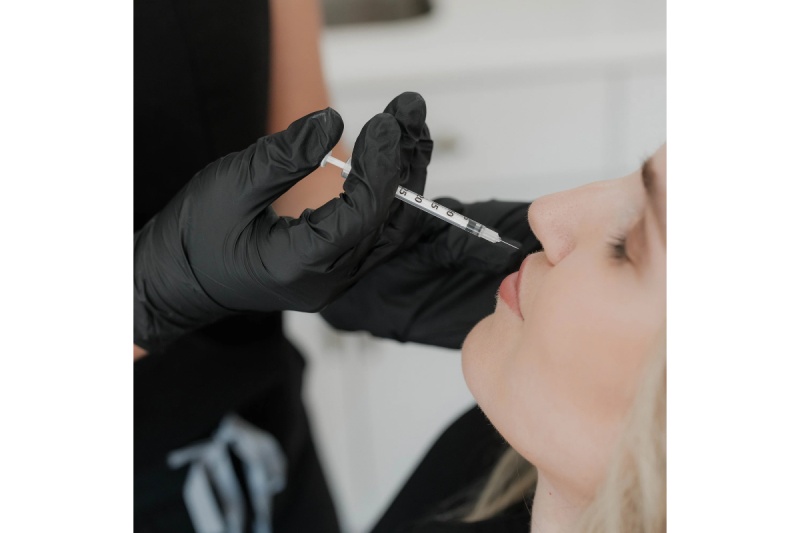
This evolution is changing the treatments patients seek. While injectables remain an important part of aesthetic medicine, Gregge says many patients are increasingly interested in treatments that support the skin’s natural regenerative processes.
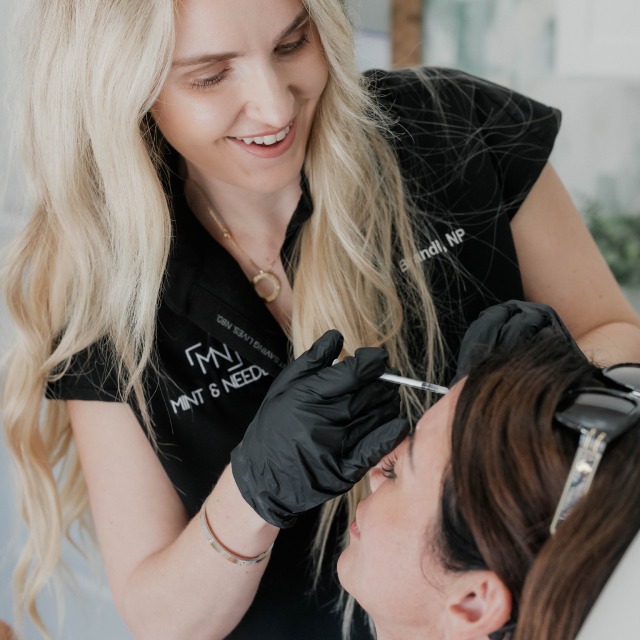
Microneedling, biostimulatory injectables, laser resurfacing, regenerative therapies, and treatments designed to improve skin quality are all becoming increasingly popular.
Rather than focusing on a single line or wrinkle, these treatments work to improve the overall structure and function of the skin.
One of the most significant shifts in aesthetics is the growing desire for natural results.
Patients today want confidence, not transformation.
In many ways, looking like yourself has become the ultimate luxury.

The skin longevity movement is also changing how younger generations approach aesthetic care. Many patients in their twenties and thirties are no longer waiting until signs of aging become significant before seeking treatment. Instead, they’re investing in prevention through medical-grade skincare, daily sun protection, and treatments that support collagen production.
Small interventions today can often help maintain stronger, healthier skin for years to come.
As aesthetic medicine continues to evolve, Gregge believes the industry will place even greater emphasis on regenerative treatments, personalized care, and long-term skin health.
And that’s an important distinction.

The goal isn’t to stop aging. The goal is to support the skin through every stage of life so it remains healthy, resilient, and strong.