Editor’s Note
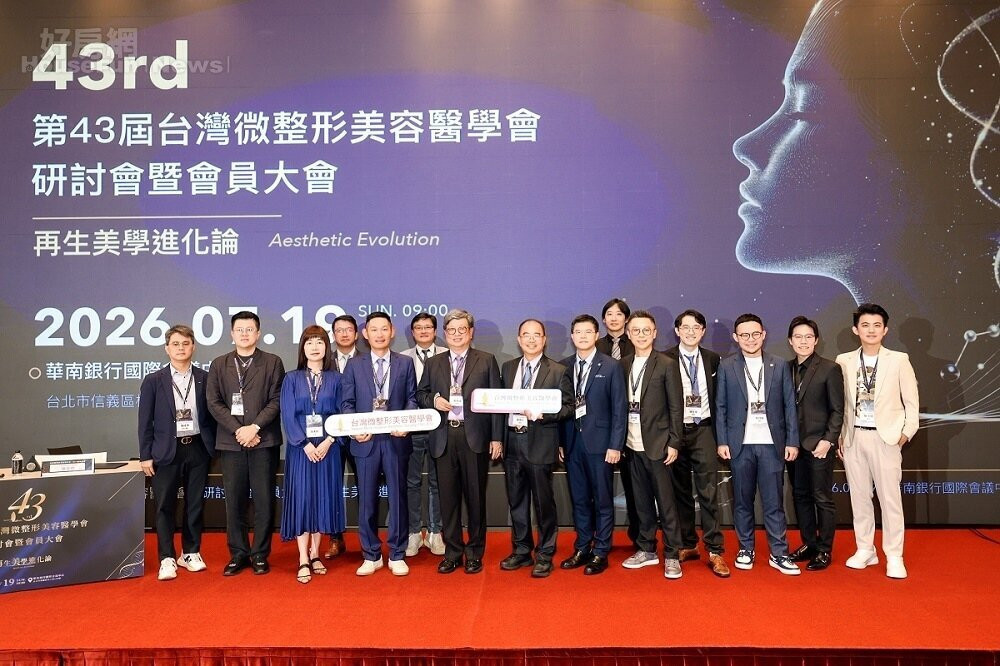
This article covers the 43rd Annual Conference and General Meeting of the Taiwan Micro-Injection Aesthetics Society, held in Taipei with nearly 1,000 physicians in attendance. The event highlighted clinical applications, safety management, and emerging trends in medical aesthetics, fostering cross-disciplinary dialogue to align local practices with international standards.
Taipei, Taiwan – The 43rd Annual Conference and General Meeting of the Taiwan Micro-Injection Aesthetics Society, a major annual event, was held in Taipei on the 19th, attracting nearly 1,000 physicians from across Taiwan. The conference focused on clinical applications, safety management, and the latest trends in medical aesthetics. Through keynote speeches, clinical case sharing, and cross-disciplinary exchanges, it aimed to help physicians grasp the direction of international medical aesthetic development and continuously enhance clinical expertise, medical quality, and patient safety.
Chen Chun-Kuang, President of the Taiwan Micro-Injection Aesthetics Society, stated that with the Ministry of Health and Welfare’s revision of the “Regulations for the Implementation or Use of Specific Medical Techniques, Examinations, and Medical Instruments,” medical aesthetic education now extends beyond material properties and technical operations to encompass anatomy, clinical judgment, risk management, and medical professionalism.
The conference invited multiple domestic medical aesthetic experts to share the latest treatment concepts and clinical experiences. Topics covered hyaluronic acid contouring, botulinum toxin full-face treatment, autologous micro-fat grafting, collagen stimulators, Profhilo biorevitalization, CaHA combination therapy, as well as full-face anti-aging planning and skin quality management.
The Society noted that medical aesthetics has gradually shifted from single-site, single-procedure treatments to full-face contour assessment and combination therapies. Physicians must not only be familiar with product characteristics and techniques but also tailor treatment strategies based on each patient’s facial structure, skin type, age, and individual needs, while pre-assessing potential risks.
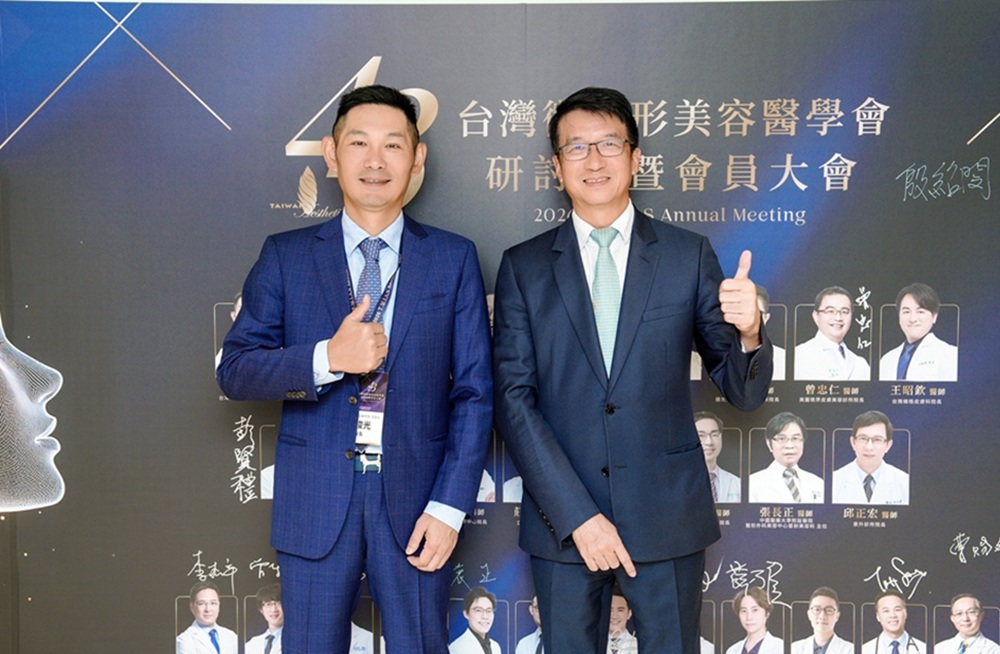
Huang Yao-Lin, a board member of the Taiwan Micro-Injection Aesthetics Society, emphasized the conference’s key value in facilitating the exchange of clinical cases and treatment experiences, helping physicians implement new treatment strategies, safety management concepts, and diagnostic approaches at the frontline, thereby improving medical quality and patient care.
Chen Chun-Kuang highlighted the rapid growth of the Asian medical aesthetics market and the rising interest in cross-border medical tourism. He noted that Taiwan’s medical aesthetics sector has established a relatively solid foundation in clinical experience, physician training, quality management, and patient safety, giving it international competitiveness.
With the gradual implementation of the Special Management Regulations, physician education, certification, and continuing education systems are becoming more institutionalized, enhancing medical safety, industry transparency, and overall professional standards. The Society aims to use large academic exchange platforms to promote experience sharing and emerging technology adoption among frontline physicians, further strengthening Taiwan’s medical aesthetics professional development.
Regarding patients seeking treatments abroad, Chen Chun-Kuang warned that complications or disputes could lead to difficulties in follow-up, compensation, and rights protection. In contrast, receiving treatment at legitimate domestic medical facilities offers more transparent medical information and pricing, along with more comprehensive follow-up care and resources, better safeguarding patient rights.
Huang Yao-Lin also reminded that medical aesthetics is fundamentally a medical practice. When choosing treatments, consumers should not merely compare prices, discounts, or trends but should verify that a qualified physician conducts the evaluation, that services are provided in a licensed facility, and that the physician engages in ongoing professional education.
The Taiwan Micro-Injection Aesthetics Society stated it will continue to organize large-scale academic conferences, training programs, international exchanges, and clinical case sharing, actively collaborating with various specialty societies and academic institutions to promote educational courses and professional training aligned with the Special Management Regulations.
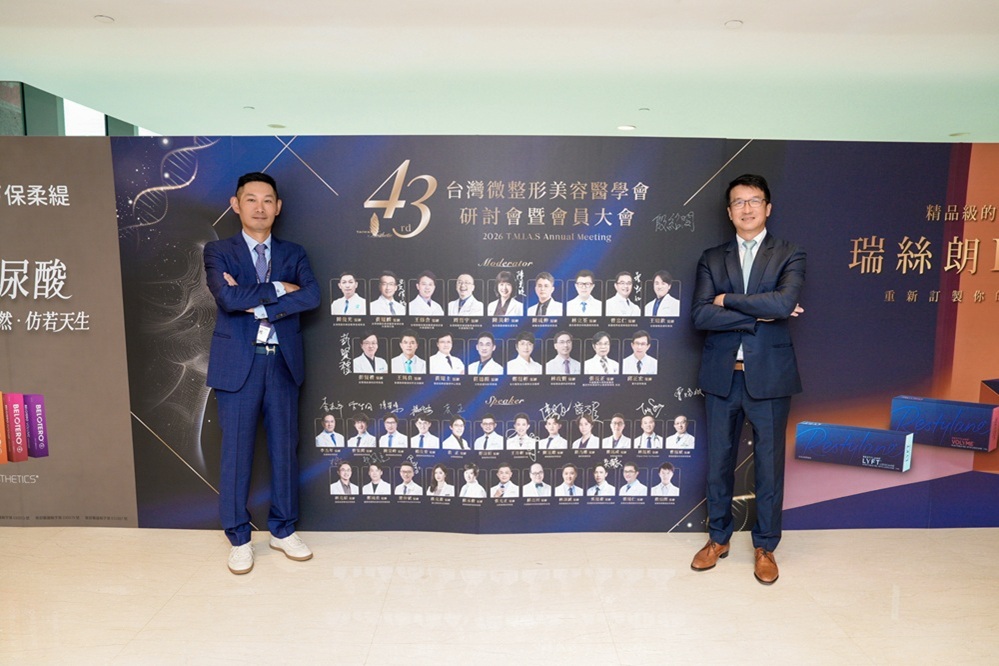
The Society hopes to help Taiwanese physicians stay abreast of global medical aesthetic trends through institutionalized education, talent cultivation, quality improvement, and international cooperation, enhancing Taiwan’s international visibility in medical aesthetics and steadily advancing toward becoming a key academic exchange platform in Asia.