Editor’s Note
**Editor’s Note:** This article examines the growing trend in South Korea’s aesthetic medicine market surrounding “Elravie Re2O,” an injectable skin booster derived from donated human skin tissue. We explore the science, appeal, and ethical considerations behind this controversial anti-aging treatment.
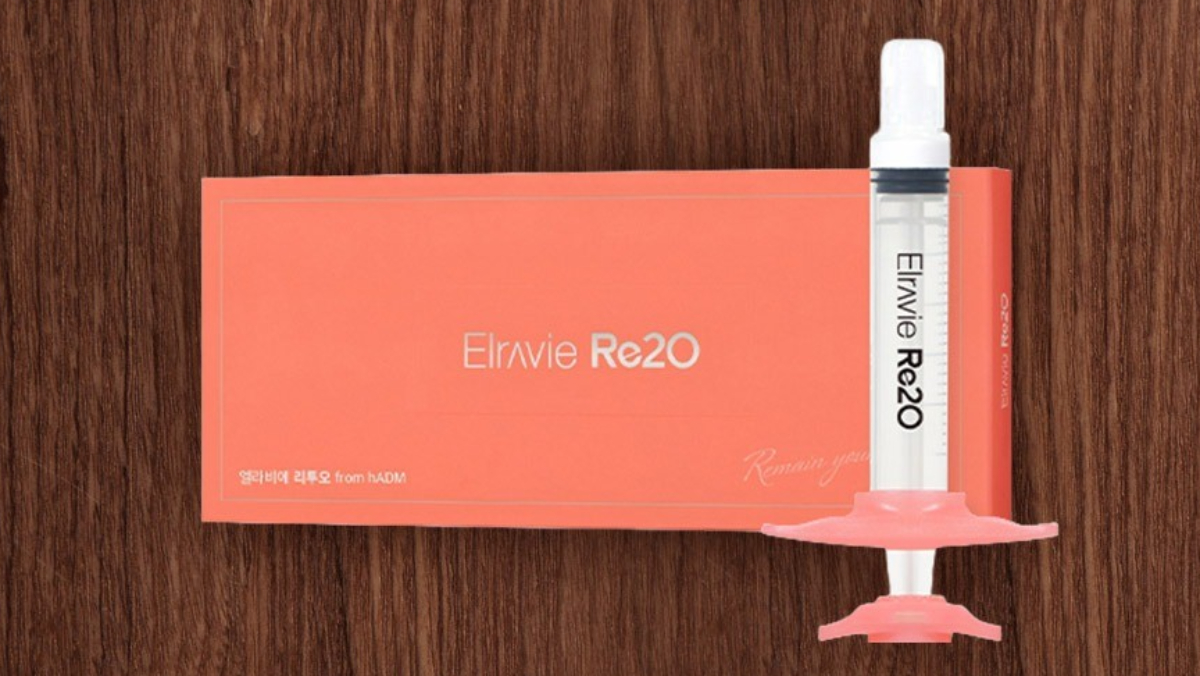
South Korea’s aesthetic medicine market has recently seen a surge in anti-aging buzz around a product called “Elravie Re2O” (meaning “Return to 20”), an injectable skin booster. It uses extracts from human skin tissue donated by deceased individuals in the United States, earning it the nickname “corpse skin anti-aging injection.” The treatment aims to rebuild skin using natural structures from human skin, reducing fine lines, minimizing pores, and enhancing skin elasticity. Despite its rapid popularity in South Korea and abroad, the use of donated human tissue has sparked intense debate.
According to international media reports, many people initially find the idea of “corpse skin” unsettling. However, dermatologists clarify that the product does not use actual human skin but rather the “extracellular matrix” (ECM) left after a rigorous biomedical conversion process.
The product is developed by South Korean biotech company L&C Bio. The raw material comes from skin tissue donated by deceased individuals in the United States. It is sent to a laboratory where all cellular material is thoroughly removed to reduce the risk of immune rejection and allergic reactions, leaving only the purified extracellular matrix. This structure retains natural collagen, elastin, and hyaluronic acid networks, acting as a natural “scaffold” for the patient’s own skin cells to attach and grow.
Dr. Kim Han-saem from DoD Dermatology Clinic in Seoul explained that unlike traditional rejuvenating injections like Rejuran, which primarily stimulate the skin’s own repair mechanisms, Re2O directly provides a “physical structural scaffold” for cells to regrow. This helps rebuild the skin’s underlying structure, improving pore size, reducing fine lines, and enhancing elasticity. Plastic surgeon Dr. Park Eunice also noted that Re2O does not merely fill the face but provides structural support to the deeper skin layers, making the skin healthier and stronger.
Re2O quickly went viral on South Korean social media platforms, attracting international influencers to try it. Creator Sara Yoon shared that compared to traditional Rejuran, Re2O is more effective and works faster, especially for mature skin that is dry, thin, or showing signs of aging. She reported that after applying numbing cream, the pain level was only about 1 out of 10.
However, celebrity makeup artist NamVo shared on TikTok that the injection process was “so painful I wished I had taken a sedative” and described it as “hellish.” Yet, when she looked in the mirror on the third day, she felt it was all worth it.
On Reddit, users also reported that within less than two weeks, their skin felt extremely smooth, refined, and more radiant, with foundation application showing almost no pores. After six weeks, pores were visibly reduced, and makeup adherence improved significantly.
The popularity of Re2O has also raised medical ethics concerns. Critics argue that donated human skin is a precious medical resource that should be prioritized for life-saving and reconstructive purposes, such as breast reconstruction and severe burn treatment. Using it extensively for purely commercial aesthetic procedures could strain medical resources.
Additionally, the treatment has not yet received approval from the U.S. Food and Drug Administration (FDA), and its long-term safety and duration of effects require further clinical validation. However, L&C Bio has expressed plans to enter the U.S. market by 2027. Currently, besides South Korea, the treatment is available in Singapore and Japan, and some aesthetic clinics in New York have already introduced it.