Editor’s Note
Once dismissed by mainstream medicine, red light therapy is now backed by mounting scientific evidence for its benefits in skincare and hair growth. By activating cellular mitochondria, this non-invasive treatment is gaining credibility among researchers and dermatologists.
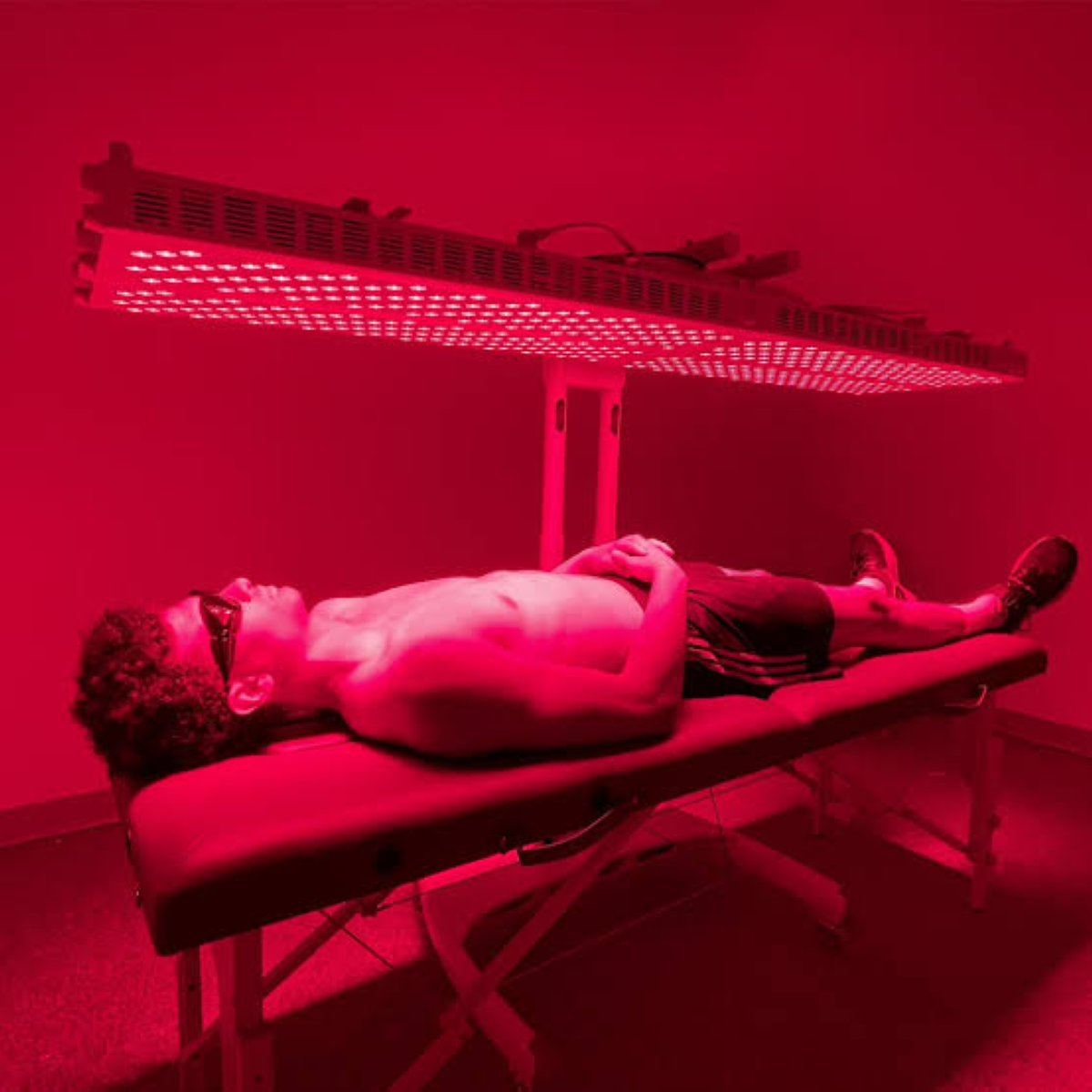
A report from US radio station NPR indicates that red light therapy, long met with skepticism by the medical community, is now gaining a growing body of scientific evidence supporting its effectiveness in skincare and hair growth stimulation. The report states that this therapy, which uses specific wavelengths of visible light between 630 and 670 nanometers, works by activating mitochondria within cells, thereby enhancing cellular energy production and stimulating repair and regeneration mechanisms.
The report is based on interviews with researchers and dermatologists who explained that the core mechanism lies in the absorption of this light by cytochrome c oxidase molecules within the mitochondria, leading to increased production of ATP, the cell’s energy currency. They noted that this energy boost translates into accelerated division of hair follicle stem cells, stimulation of fibroblasts to produce collagen and elastin, and reduction of oxidative stress and inflammation in treated tissues.
The report highlighted that the US Food and Drug Administration (FDA) has approved specific red light therapy devices for uses including hereditary baldness, acne, and wrinkles, but emphasized that cheap home devices widely available on the market may lack sufficient power to achieve the promised efficacy. In this context, the report reviewed key findings from recent studies:
• A clinical trial published in the Journal of the American Academy of Dermatology showed that using a red light device with a cap containing 272 LEDs for 25 minutes daily over 24 weeks increased hair density by 37% in men with hereditary baldness.
• A systematic review of 11 studies revealed that red light therapy led to noticeable improvements in wrinkle appearance, skin elasticity, and complexion after 8 to 12 weeks of regular use, with additional improvement when combined with topical treatments containing retinoids or antioxidants.
NPR quoted Dr. Samantha Gold, a dermatologist at Mount Sinai Hospital in New York, saying that red light therapy is considered very safe when used according to instructions, but she warned that certain groups, such as those with photosensitivity disorders or those taking medications that increase skin sensitivity, should avoid it or use it under strict medical supervision. The report concluded that research is ongoing to explore other potential applications of this technology, such as treating joint pain, accelerating wound healing, and improving athletic performance.