Editor’s Note
**Editor’s Note:** The government has unveiled a broad set of measures to revitalize regional and essential medical care, yet the medical community views these steps as temporary fixes that fail to tackle the root causes of the ongoing crisis.
The government has announced comprehensive measures to strengthen regional, essential, and public medical care, aiming to restore regional and essential medical services. However, the medical community assesses that the government’s measures are merely stopgap solutions and insufficient to address the fundamental causes of the avoidance of essential medical care. The Ministry of Health and Welfare announced the ‘Strategy to Strengthen Regional, Essential, and Public Medical Care’ on the 22nd. With the goal of establishing a regionally complete medical system, the government plans to introduce a regional doctor system, reorganize the medical delivery system, establish regional fees, expand public policy fees, foster national university hospitals, and strengthen the functions of public hospitals. It will also pursue system improvements to strengthen the safety net for medical accidents and reduce the judicial risks for medical professionals.
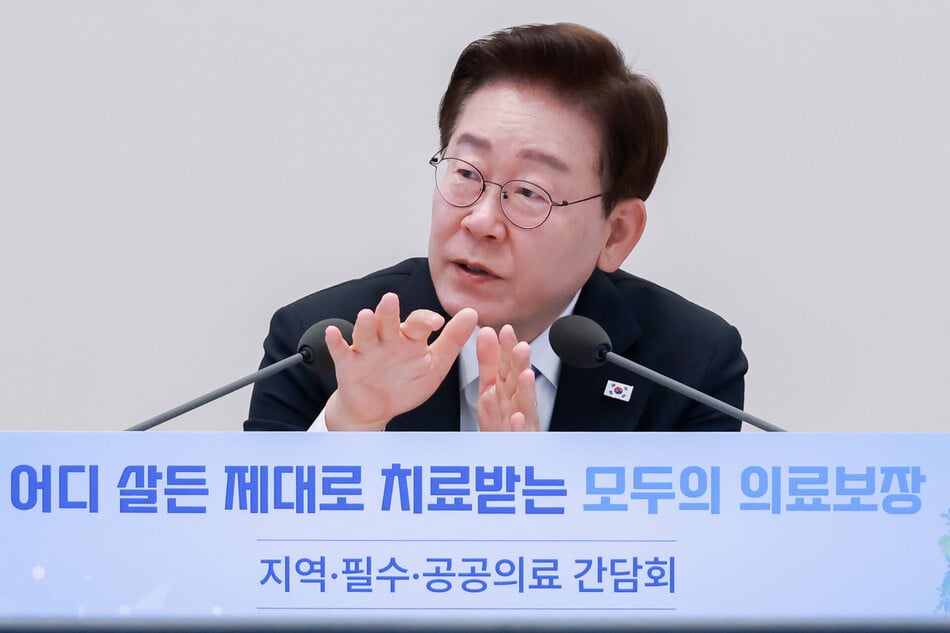
The government diagnosed that low fees and excessive medical disputes have led to the collapse of regional and essential medical care. President Lee Jae-myung also pointed out at a meeting held on the same day that the structure where medical professionals handling high-risk treatments are not adequately compensated and face excessive legal burdens in the event of medical accidents encourages the avoidance of essential medical care. Accordingly, the government decided to introduce regional fees to expand compensation for regional essential medical care such as childbirth and emergency surgery, and to pursue the establishment of a Medical Accident Review Committee and expand state compensation for unavoidable medical accidents.
Attention is focused on whether the government’s measures can change the trend of medical professionals avoiding essential medical care and concentrating on non-covered and cosmetic services.
According to the Health Insurance Review and Assessment Service, out of 285 new clinic-level medical institutions opened by general practitioners last year, 243 (85.3%) reported dermatology as their specialty. Among these, 158 institutions (about 65%) had zero claims for health insurance related to skin diseases.
Contrary to the government’s policy aimed at securing essential medical personnel, the medical field continues to see a concentration on the cosmetic market.
The medical community views this phenomenon not as a preference for specific specialties, but as a result of the health insurance fee system and the medical environment. Essential medical care requires enduring high work intensity and the risk of medical accidents, but compensation is insufficient, whereas the cosmetic field offers relatively stable profits.
There is general agreement with the direction of the government’s policy. The medical community has also consistently pointed out low fees and judicial risks as causes of the collapse of essential medical care. However, many assessments indicate that the government’s measures are still insufficient to change the choices of medical professionals.
Experts emphasize that normalizing basic fees should be the priority. They point out that with the current health insurance fees not adequately reflecting costs, merely adding regional fees or policy fees will not change the avoidance of essential medical care.
Cautious views are also emerging regarding measures to alleviate judicial risks. The government plans to establish a Medical Accident Review Committee to restrict prosecution for medical accidents meeting certain criteria. However, the medical community believes that unless the structure of frequent lawsuits itself is improved, the burden on medical professionals will not change significantly.