Editor’s Note
This article examines how South Korean botulinum toxin firms are poised for a strong second half, benefiting from a favorable exchange rate and expanding U.S. market presence, with seasonal demand further boosting export prospects.
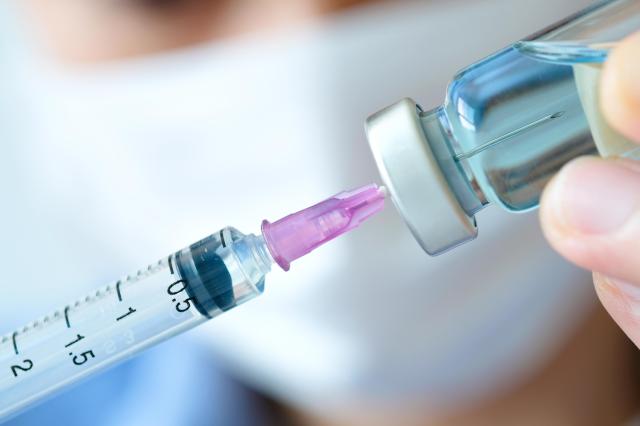
[Photo: Getty Images Bank]
South Korean botulinum toxin companies are seeing growing expectations for their second-half performance, driven by the dual tailwinds of a high exchange rate and expanded U.S. market access. As the second half of the year enters the peak season for aesthetic and cosmetic procedures, export growth is expected to accelerate further due to seasonal factors.
According to industry sources on the 23rd, South Korea’s botulinum toxin exports from January to May this year reached $233.88 million (approximately 340 billion won), a 24.2% increase year-on-year. Given the strong start in the first half, industry observers predict that with the added seasonal peak effect in the second half, annual exports could surpass 1 trillion won for the first time.
In particular, the full-scale push into the largest market, the United States, is a positive factor. Hugel obtained U.S. FDA approval for its botulinum toxin product ‘Letybo’ (brand name in Korea: Botulax) in 2024, and began sales through local distribution partner VENEB in the same year. Starting in July this year, the company has been implementing a ‘hybrid sales strategy’ combining direct sales, driving market share expansion.
Daewoong Pharmaceutical, which has already established a direct sales network in the U.S., is also beginning to fully benefit from export expansion. Shipments to key markets such as Brazil, Thailand, and Canada are increasing, steadily expanding the export share. Additionally, it is analyzed that partner Evolus is proactively securing some of next year’s volume in preparation for the U.S. pharmaceutical tariff scheduled to take effect in September, driving shipment growth.
Securities firms are also placing weight on the potential for earnings improvement centered on the botulinum toxin business. Hugel’s second-quarter toxin sales this year are estimated at 73.7 billion won, a 21.4% increase year-on-year. Among this, exports are expected to lead growth, reaching 53.5 billion won, up 26.8%.
Daewoong Pharmaceutical is also expected to see improved second-quarter results due to expanded exports of Nabota. According to securities firms, Nabota’s second-quarter sales this year are estimated at 102.1 billion won, a 46.4% increase year-on-year. Export sales within this are expected to reach 92.5 billion won, also up 46.4% over the same period.
Furthermore, the rise in the won-dollar exchange rate is creating a favorable environment for toxin companies with export-oriented business structures. Dollar-denominated sales are expanding when converted to won, simultaneously improving profitability. “The improved sentiment for toxins and fillers compared to the second half of 2025 is reflected in the earnings,” said Min-soo Shin, an analyst at Kiwoom Securities. “Despite the overall pattern of a low first half and high second half, including investments in U.S. direct sales, Hugel’s unparalleled sales growth will continue.”