
Editor’s Note
**Editor’s Note:** This article examines a controversial new trend in cosmetic procedures: injectable fillers derived from the fat of deceased donors. We explore the science, ethics, and safety concerns surrounding this emerging practice.
Many women around the world closely follow the latest trends in cosmetic procedures, Botox, and fillers. Amid the many names in cosmetic injections, a new trend has emerged in the beauty world that relies on using fat taken from deceased donors to restore volume loss in certain areas of the body.
Tiger Aesthetics has announced the manufacture of a drug named “Allo Clay,” which relies on using fat taken from deceased donors to compensate for volume loss in certain body areas. The “Allo Clay” product is an injectable for body contouring without the need for surgery or synthetic implants.
The manufacturer, Tiger Aesthetics, stated that over 2,000 people have received injections with this product since May 2025, sparking widespread interest on social media platforms.
The use of fat injections from deceased donors has stirred significant controversy. Some cosmetic clinics describe it as a “next-generation advancement,” while others have labeled it with terms like “zombie filler” and “corpse injections” due to the source of the fat.
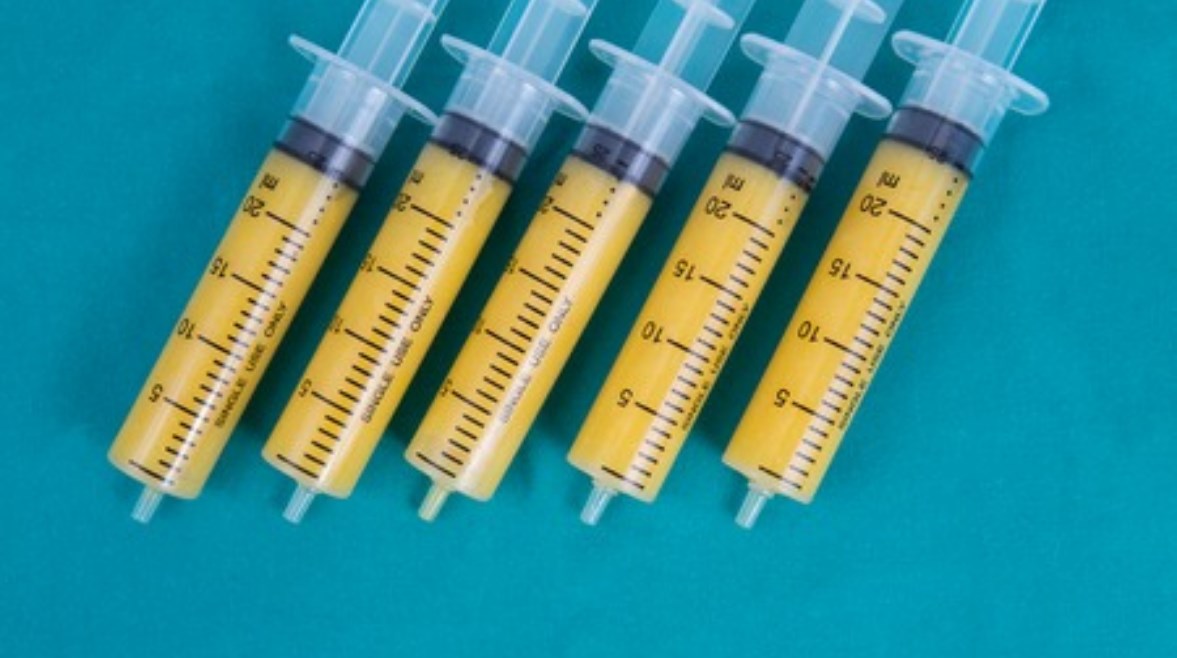
The “Allo Clay” product is marketed as “ready-to-use fat” or an alternative to autologous fat transfer, which involves taking fat from the patient’s own body and re-injecting it into another area, according to CNN.
The price of a single “Allo Clay” injection for body contouring without surgery or implants is approximately $2,250, equivalent to about 115,000 Egyptian pounds.
American surgeon Louis Macias explained that patients have not shown significant objection to the source of the fat. Meanwhile, Caroline Van Hove, CEO of Tiger Aesthetics, confirmed that the high demand for these drugs has boosted interest in the product, and the company is working to increase production despite its reliance on donations from deceased donors’ tissues.
In the United States, the regulation of body donation differs from organ donation. Organ donation is subject to strict federal laws, while there is no unified federal body that mandates compulsory licensing for body donation institutions or tissue banks not intended for transplantation, leading to varying oversight between states.
Van Hove emphasized that the surgical procedures for harvesting fat and tissues are subject to strict controls, and donors sign consents specifying how their tissues may be used, following a medical review that can take between three and six months.

She noted that these consents do not specifically mention the “Allo Clay” product but allow donors to determine whether they permit their tissues to be used for research or commercial purposes.