Editor’s Note
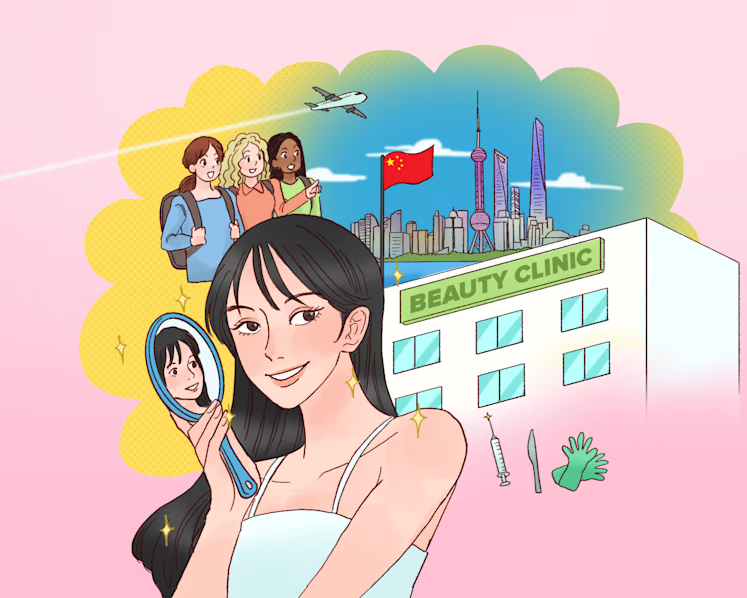
**Editor’s Note:** China is positioning itself as a rising contender in the global medical aesthetics market, offering natural-looking results, skilled practitioners, and competitive pricing that appeal to overseas patients. While still in its early stages, this shift signals a potential challenge to South Korea’s dominance in the field.
China is emerging as an alternative to South Korea for cosmetic procedures, with overseas patients drawn by natural-looking results, experienced doctors and competitive prices – though industry observers say it is still early days.
The Chinese aesthetic favours results that are almost imperceptible – what clients call a “born-with-it” look.
She had also considered facial contouring, a procedure that reshapes the face. But after examining her, her doctor advised against it, saying her cheekbones were already somewhat asymmetric. Instead, he recommended a less invasive, non-surgical facelift.
Seoul may be widely recognised as the world’s plastic surgery capital, but a growing number of foreigners are travelling to China for cosmetic procedures, drawn by what they say are more natural-looking results, experienced doctors and competitive prices.
China’s medical aesthetics industry was valued at 311.5 billion yuan (around US$46 billion) in 2023 and is projected to reach 1.3 trillion yuan by 2030, according to market research data.
During this year’s Spring Festival holiday, spending on medical aesthetics by inbound visitors using foreign-issued bank cards doubled from a year earlier, making it one of the fastest-growing categories, according to Tencent’s WeChat team.
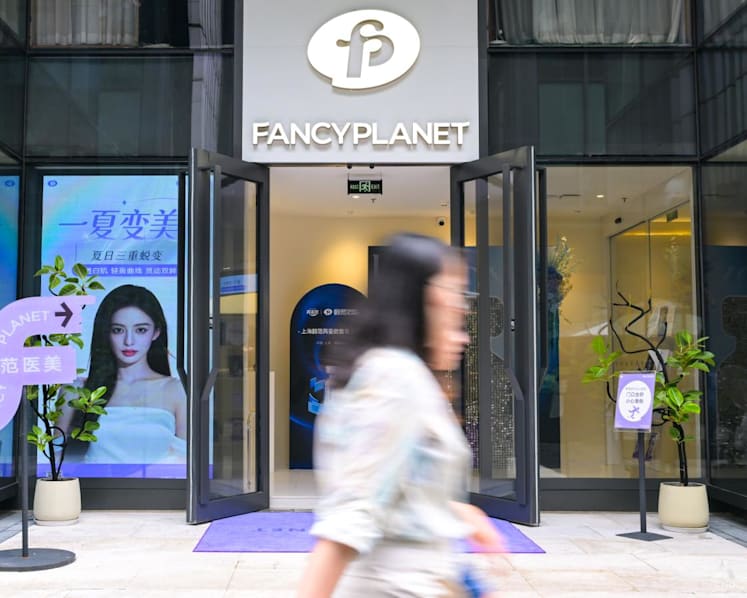
As more overseas patients turn to China for cosmetic procedures, they are embracing what experts describe as a distinctly Chinese beauty philosophy – enhancing rather than drastically changing one’s appearance.
Compared to cosmetic surgery trends in South Korea and Japan, where cosmetic outcomes are often more “refined and polished”, China “combines both approaches and places even greater emphasis on confidence and individuality”, said Red Ant’s Yu.
Consumers are increasingly rejecting “cookie-cutter ‘internet-famous faces'” in favour of aesthetic treatments that “optimise and enhance, while preserving” their distinctive features, she said.
A Meituan survey released last year found that 43 per cent of more than 1,000 people who had undergone cosmetic procedures wanted to preserve their natural facial features.
The ideal result is one that is almost imperceptible.
Shanghai’s medical aesthetics clinics, in particular, stand out for their emphasis on preserving “eastern charm” while aligning with international aesthetic standards, said Yu.
Procedures ranging from skin boosters and face-slimming injections to ultrasound skin-tightening and IPL lasers have been gaining popularity with international clients.
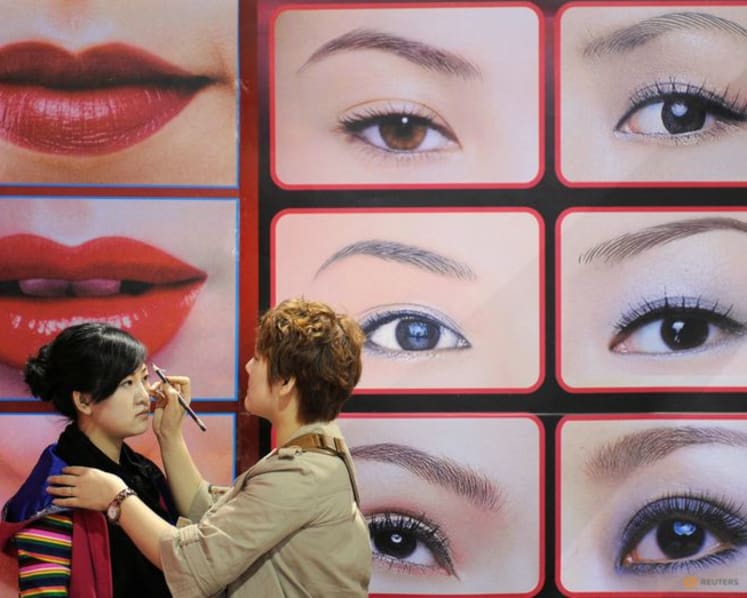
CNA visited seven clinics across Shanghai. Doctors, medical staff and patients consistently cited high clinical standards and experienced practitioners as key reasons why foreigners are increasingly choosing China.
Several clinics said overseas clientele, mainly from South Korea, Japan and Southeast Asia, had increased by around 10 to 20 per cent over the past two years – although Chinese clients still make up the vast majority.
Ong, a 35-year-old from Malaysia, travelled to Changsha in southern Hunan province earlier this year for injectable treatments to create a natural, “born-with-it” appearance while enhancing facial definition and depth.
She had consulted doctors and clinics in Vietnam, South Korea and Thailand before deciding on China.
He, a 33-year-old finance professional from Shanghai who only gave her surname, has travelled to South Korea twice for cosmetic procedures.
But she has chosen to undergo most of her cosmetic treatments in China over the past decade, including skin boosters, face slimming injections and ultrasound skin-tightening.
She praised South Korean doctors and clinics for their attentive service but said China remained her preferred destination for less invasive procedures.