Editor’s Note
**Editor’s Note:** This exclusive report reveals that botulinum toxin products from Hugel, Medytox, and Daewoong Pharmaceutical have been found outside official export channels, leading to import refusals in the U.S. As unauthorized distribution cases emerge, the findings underscore an urgent need for stronger regulatory oversight and industry countermeasures.
[Exclusive]
As cases of unofficial distribution of Korean botulinum toxin products in the United States are being confirmed one after another, countermeasures are urgently needed.
Hugel is investigating the possibility of counterfeit products after items not in its official shipment records were seized. Products related to Medytox, which has no FDA-approved products in the US, have also been denied entry. Daewoong Pharmaceutical confirmed the unauthorized export of its domestic-use Nabota and has blocked the involved distributor.
However, the authenticity of the products and their distribution routes have not been verified, suggesting a need for cooperation between the Korean government and foreign authorities.
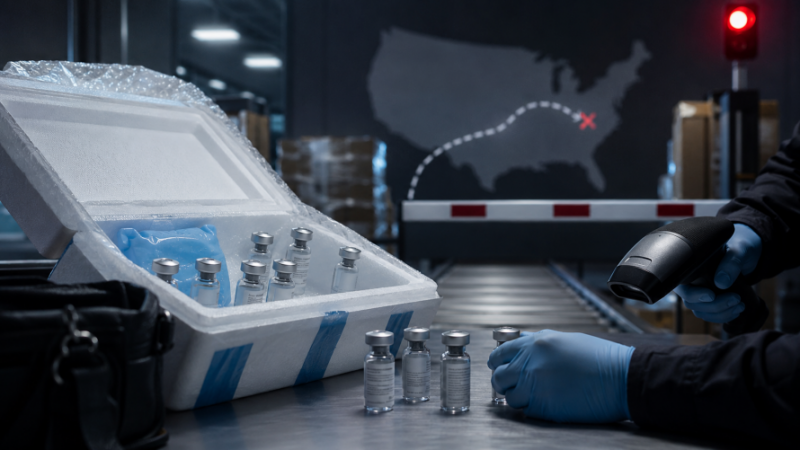
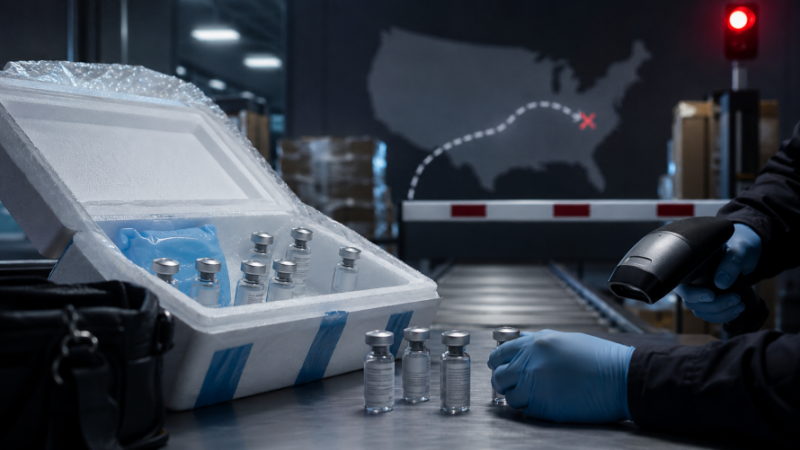
According to a DailyMedi investigation on the 23rd, a Hugel-related botulinum toxin product was blocked from entry during US customs clearance on June 26.
Initially, Hugel considered the possibility of a documentation issue for its official shipments and requested verification from the shipping company. However, it later determined that the cargo was not a product supplied to the US through its official distribution network.
All products officially shipped by Hugel to the US were delivered normally. According to the company, official shipments underwent standard inspection by the US Customs and Border Protection (CBP) without delays or entry denials.
The company stated there were no manufacturing or quality issues and no impact on product supply or sales within the US.
Notably, upon further review of the relevant list, Hugel found that one case involved a product manufactured in Vietnam and shipped from China.
Hugel plans to strengthen tracking and management of counterfeit and unofficially distributed products. It is generating unique barcodes for each product to manage and trace distribution history, and applying special UV security labels to help consumers more easily distinguish genuine products from counterfeits. Cooperation with external law firms and investigative agencies is also being pursued.
This is the first time an attempt to bring counterfeit products claiming to be Hugel products into the US has been confirmed.
A botulinum toxin product listing Medytox as the manufacturer was also denied import into the US on the 2nd.
Medytox currently has no botulinum toxin products approved for sale in the US. Therefore, the company maintains that this shipment was also not an official US export.
Last year, amid the so-called ‘DIY Botox’ controversy in the US, the company confirmed that its products were being distributed locally through unofficial channels.
At that time, safety concerns were raised in the US as consumers were directly administering botulinum toxin products purchased online.
Medytox’s liquid botulinum toxin formulation, ‘Innotox,’ was mentioned as one of the products sold online without US approval.
However, it has not been confirmed whether the seized products are genuine Medytox products or counterfeits where a third party arbitrarily used the company or product information.
Botulinum toxin products listing Daewoong Pharmaceutical as the manufacturer were also denied entry during US customs clearance on January 20 and July 10. This is the second time this year.
The reason for the July import refusal was the lack of English mandatory labeling and failure to secure FDA approval. In January, the reasons cited were non-registration in the FDA product list, inadequate foreign manufacturing facility registration, and lack of approval.
When DailyMedi confirmed this fact and inquired, Daewoong Pharmaceutical launched an internal investigation. Subsequently, by tracking the lot numbers and distribution routes, it identified circumstances indicating that two vials of domestic-use Nabota had been illegally exported overseas.
Daewoong Pharmaceutical traced back domestic supply records to identify the specific medical institution and ceased transactions with the distributor confirmed to be involved in the illegal distribution.
On the 23rd, Daewoong Pharmaceutical issued a press release stating, “During recent self-monitoring, we confirmed cases of FDA import refusal for Nabota,” and announced it would expand its online and offline management systems to prevent abnormal distribution.
Industry experts point out that the distribution of botulinum toxin outside official supply chains can lead to product deterioration and damage from counterfeits. They urge strengthening lot number tracking and distributor management, and call for the government to respond by sharing customs information with foreign authorities.