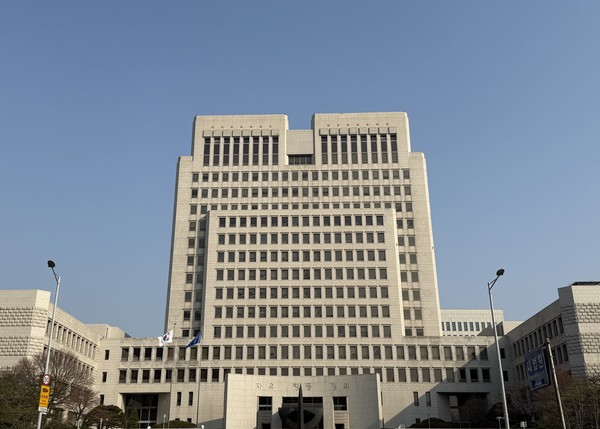
South Korea's Supreme Court has ruled that general cosmetic and calligraphic tattoos performed by non-medical professionals do not constitute unlicensed medical practice under the Medical Service Act, overturning a 33-year-old precedent. This landmark decision, delivered by the full bench on May 21, 2025, removes a major legal barrier for tattoo artists and opens the door for a regulated non-medical tattoo industry, which could reshape the supply chain for tattoo equipment, pigments, and hygiene products in South Korea.
Legal shift and market impact
The Supreme Court's en banc decision overturned its own 1992 and 2004 rulings that had classified eyebrow tattoos and similar procedures as medical acts. The court reasoned that the purpose, method, required medical expertise, health risks, and manageability of cosmetic tattoos differ significantly from medical treatments. It noted that tattooing has existed long before professional medicine and has evolved as a distinct field separate from healthcare.
Safety and equipment considerations
The court highlighted that modern tattoo equipment with adjustable needle penetration depth and widespread use of hygiene products have improved procedural safety. It also pointed to strengthened regulatory frameworks for tattoo pigments, reducing health risks. These factors, combined with improved public health awareness and access to information, allow consumers to make informed decisions about tattoos without requiring a medical license for practitioners.
Constitutional rights and social acceptance
The ruling emphasized that prohibiting non-medical tattooists while allowing only medical doctors to perform tattoos could infringe on constitutional rights, including the freedom of occupation and expression for artists, and the right to pursue happiness and freedom of expression for clients. The court acknowledged that tattoos are now widely accepted in mainstream South Korean society, not limited to subcultures.
What buyers should watch
For overseas suppliers of tattoo equipment, pigments, and hygiene consumables, this ruling signals a potential surge in demand from a newly legitimized non-medical tattoo sector in South Korea. Importers and distributors should monitor the Korean government's response, as the ruling may prompt new regulations for tattooist licensing, hygiene standards, and pigment safety. This could create opportunities for certified, high-quality products that meet evolving compliance requirements.
Sourcing context
South Korea has been a significant market for medical aesthetics devices and injectables, but the tattoo industry was previously constrained by legal ambiguity. With this precedent change, the country may see growth in specialized tattoo studios and training centers, increasing demand for professional-grade tattoo machines, needles, inks, and aftercare products. Suppliers should prepare for potential regulatory updates and consider partnering with local distributors to capture this emerging market segment.
Source: Read the original report | Published: May 21, 2025