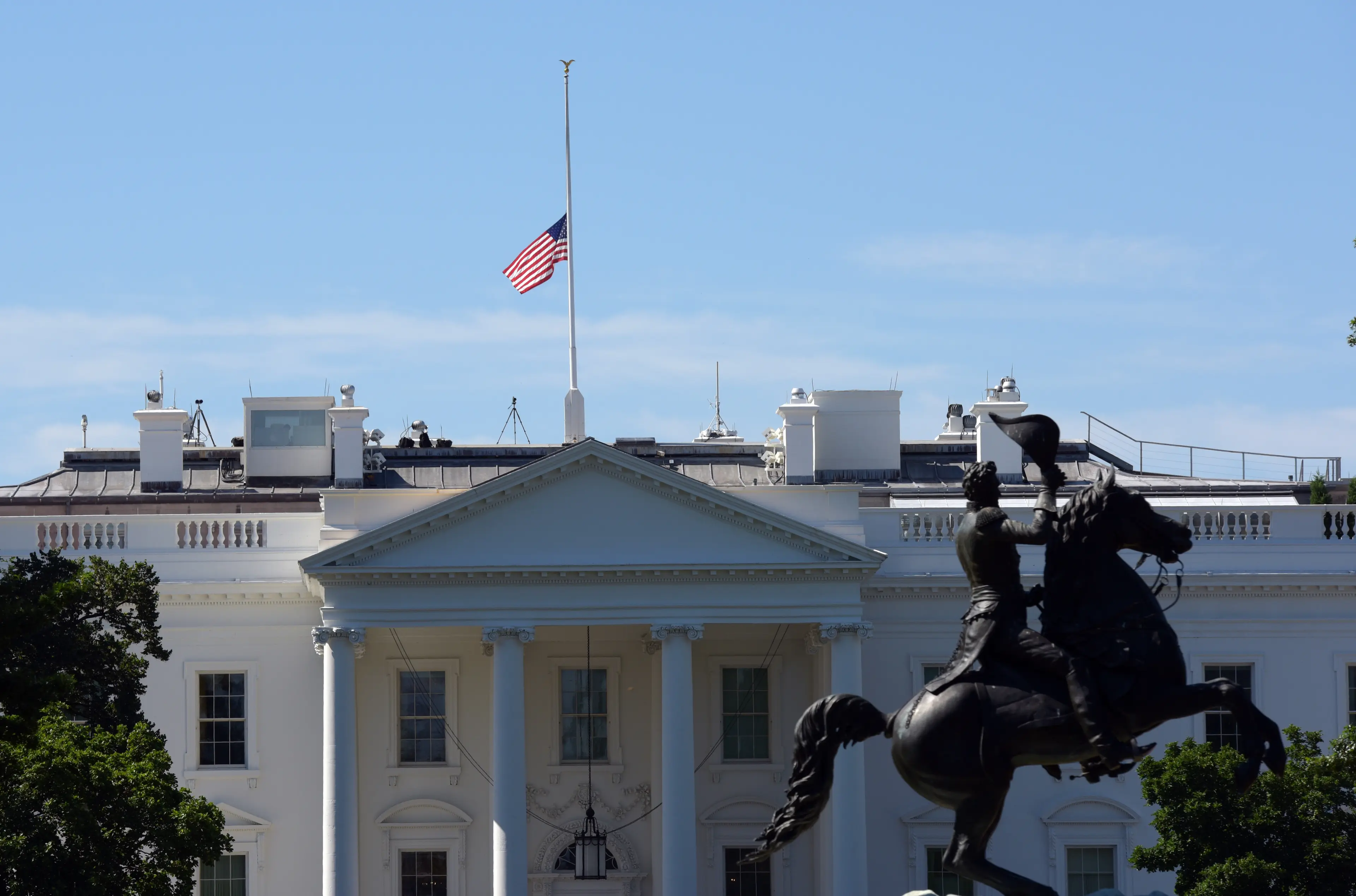
The US Treasury Department has published a list of medical devices requiring specific authorization for export to North Korea, effective June 13, 2025. This move tightens licensing requirements for items that could have dual-use applications, including diagnostic imaging equipment relevant to the medical aesthetics supply chain. Overseas buyers and distributors should monitor these restrictions as they may impact trade flows of certain aesthetic devices and laboratory equipment to the region.
Regulatory update
The Office of Foreign Assets Control (OFAC) released the list on Thursday, specifying medical devices that may not be exported or reexported to North Korea under a general license. The general license previously authorized exports of certain agricultural commodities, medicine, and medical devices. Now, items on the new list require specific OFAC authorization for any exports to North Korea, effective immediately.
Devices affected
The list includes oxygen generators, pumps with flow rates exceeding one liter per minute, and diagnostic medical imaging equipment such as gamma imaging, tactile imaging, and thermography equipment. These imaging technologies are commonly used in aesthetic clinics for skin analysis, body contouring assessment, and treatment planning. Laboratory items like freeze-drying and spray-drying equipment, decontamination showers, laboratory shakers, incubator shakers, and carbon dioxide incubators are also restricted.
Dual-use concerns
The licensing requirements aim to curb exports of dual-use items that could serve both civilian and military purposes. This comes amid North Korea's advancing nuclear and missile threats and the absence of dialogue with Washington or Seoul on its nuclear program. The restrictions signal heightened scrutiny on technologies that could be diverted for non-civilian applications.
What buyers should watch
Distributors and clinic buyers involved in exporting aesthetic devices or laboratory equipment to East Asia should review OFAC guidelines to ensure compliance. Products such as thermography cameras, skin imaging systems, and laboratory shakers used in skincare OEM or R&D may fall under the restricted list. Companies should verify end-user destinations and obtain necessary authorizations before shipping to North Korea or related markets.
Sourcing context
While the direct impact on the global medical aesthetics supply chain may be limited, the move reflects a broader trend of tightening export controls on medical and laboratory equipment. Importers and distributors should stay informed about similar regulatory changes in other jurisdictions, as dual-use restrictions increasingly affect aesthetic devices and consumables with potential military applications.
Source: Read the original report | Published: June 13, 2025