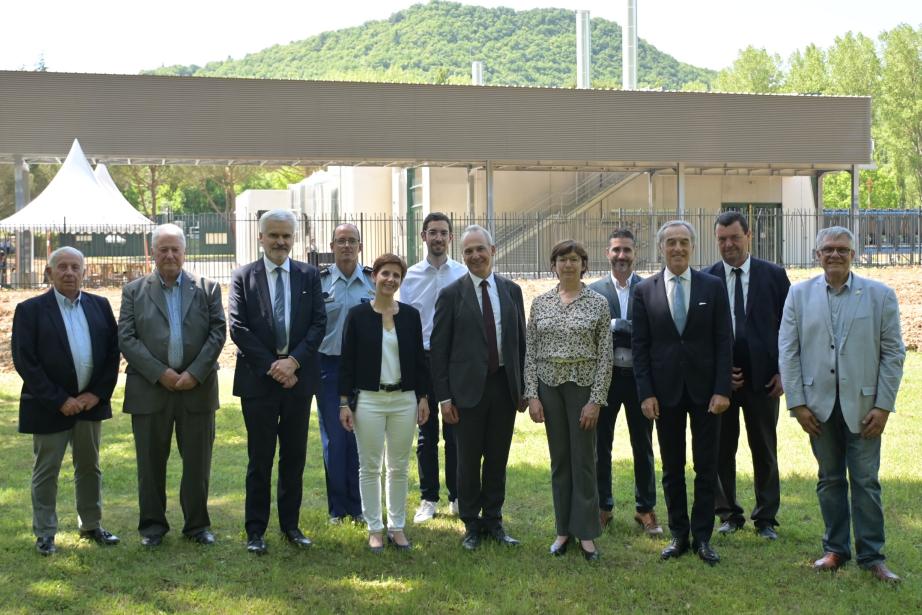
Pierre Fabre Laboratories is investing nearly €50 million to double the production capacity of its Avène plant in Hérault, France, from 100 million to 200 million units by 2029. The move supports the international growth of its flagship dermo-cosmetic brand, Eau Thermale Avène, and aligns with the group's €250 million industrial roadmap for 2023-2027. For overseas buyers, this signals stronger supply reliability and potential for expanded product availability.
Strategic capacity expansion
The investment will transform the Avène site, which currently employs 330 people and operates nine manufacturing platforms, one sterile platform, and twelve packaging lines. Since 2010, the group has already invested €90 million in this facility. The new project aims to streamline internal flows, improve automation, and enhance workstation ergonomics, moving the plant closer to best-in-class industrial standards.
International growth driving demand
In 2025, Pierre Fabre's dermo-cosmetic division reached €1.7 billion in revenue, up 2.6% from 2024. Eau Thermale Avène grew 3.9% at constant exchange rates, with particularly strong performance in China (+10.7%) and the United States (+9.2%). These two strategic markets are key drivers for the capacity increase, as the group seeks to secure manufacturing lead times and meet rising global demand.

Commitment to French production and sustainability
Vincent Huraux, Pierre Fabre's operations director, stated: "We are proud to take this new step, which fully reflects our industrial vision: keeping our production in France, where 90% of the group's products are still made, close to our roots." The investment also supports the site's environmental trajectory, having earned AFNOR's Engagé RSE label based on ISO 26000. The modernization combines industrial performance with reduced environmental footprint.
What buyers should watch
For importers and distributors of dermo-cosmetic products, this expansion means improved supply security and potential for new product launches from the Avène brand. The doubling of capacity by 2029 could lead to shorter lead times and greater availability in high-growth markets like China and the US. Buyers should monitor how this capacity increase translates into product allocation and whether it enables faster market entry for new SKUs.
Source: Read the original report | Published: January 06, 2026