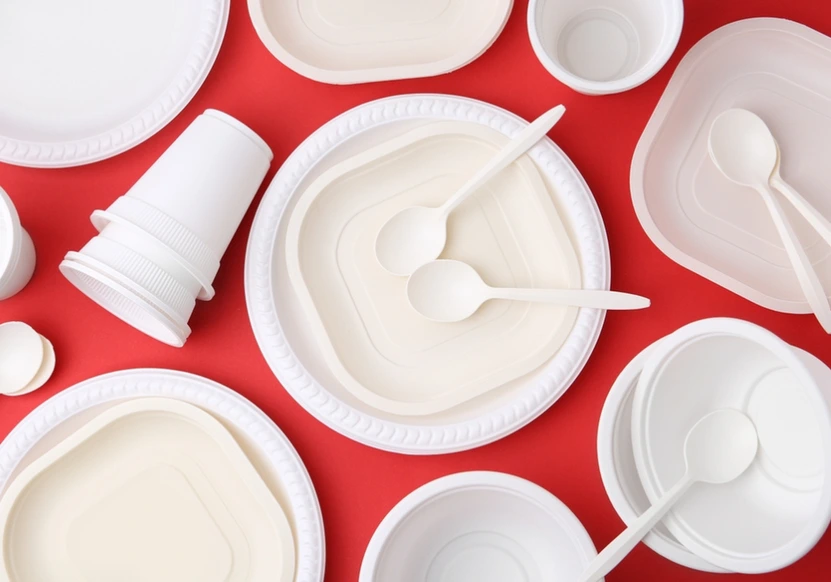
Since the outbreak of the Iran war, Asian naphtha prices have nearly doubled, triggering sharp price increases for plastic bags, containers, cups, and tableware, and raising concerns about shortages. The conflict has disrupted oil supplies from the Middle East, severely compressing naphtha availability. Manufacturers warn of packaging material shortages for food, medical supplies, and other consumer goods. In Indonesia, a major plastic consumer, suppliers have warned retailers that naphtha shortages may force production halts. Rising plastic prices could exacerbate inflation across Asia, where many countries rely on imported energy and already face cost pressures. Indonesia imports nearly all its naphtha, mainly from the Middle East; Japan sources 44% of its naphtha and over 90% of its crude oil from the region. Some Asian petrochemical plants that use naphtha to produce ethylene and propylene—the basic building blocks of plastics—have cut or halted production. Indonesia's Chandra Asri has declared force majeure due to difficulties in obtaining naphtha. Japan's Mitsubishi Chemical and Mitsui Chemicals have also reduced output. Taiwan's Formosa Plastics (6505) has similarly declared force majeure.

In South Korea, supplies of medical items such as syringes and IV bags are tightening due to panic buying and plastic packaging shortages. According to a survey by the Ministry of Food and Drug Safety on April 29, the national stock of syringes stood at 45.59 million units, down from 46.46 million units the previous week.
Source: Read the original report | Published: May 18, 2026