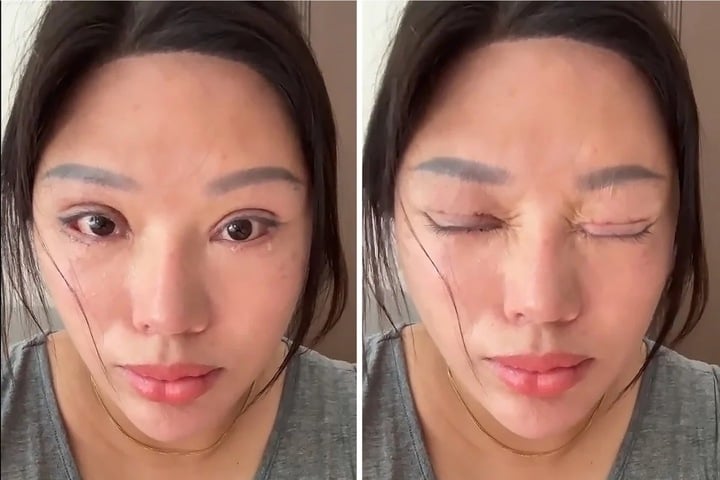
A Chinese woman who sued a beauty clinic for complications after a double-eyelid surgery was countersued and ordered to repay her settlement, highlighting legal risks for both patients and clinics in medical aesthetics disputes. The case underscores the importance of proper licensing, informed consent, and airtight confidentiality agreements for aesthetic providers.
Case background
In June 2020, a woman surnamed Wang paid $1,800 for double-eyelid surgery at Meixi Beauty Clinic in Suzhou, Jiangsu Province. The procedure was performed by a woman surnamed Meng, who identified herself as the clinic's marketing director. After surgery, Wang suffered severe eye pain, eyelid inversion, and excessive tearing, requiring emergency hospital treatment.
Medical malpractice and unlicensed practice
A hospital examination revealed that the surgeon had removed Wang's lacrimal duct and used incorrect technique on the eyelid. In 2022, a local forensic agency classified Wang's eye injury as a Level 9 disability (China's most severe is Level 10). City health authorities found that Meng lacked a medical license and that Meixi Beauty Clinic operated without authorization. The clinic closed months after Wang's surgery.
Settlement and countersuit
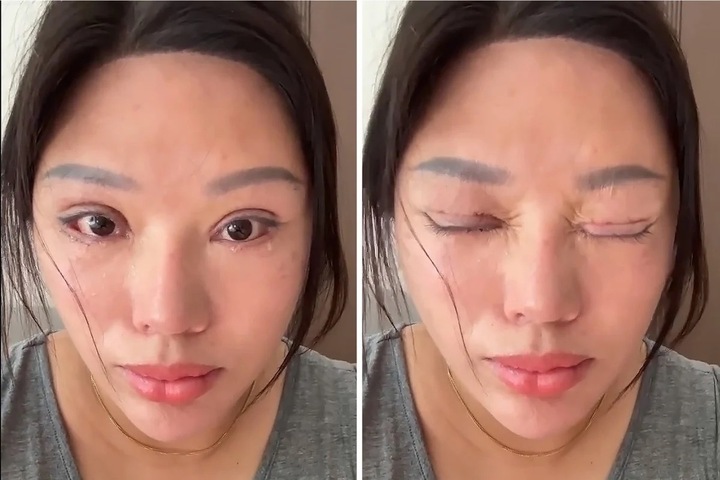
Before trial, Meng offered Wang $125,000 in compensation in exchange for deleting all social media posts about the incident and agreeing not to file complaints with authorities or media. The agreement stipulated that if Wang violated the terms, she would repay $59,000. After receiving the full amount, Wang discovered that Meng had posted videos insulting her and falsely accusing her brother of fraud. Wang's sister-in-law responded online by sharing documents proving Meng practiced medicine illegally, and Wang herself appeared in videos recounting her story.
Court ruling
Meng countersued Wang for violating the confidentiality agreement. Earlier this year, a court ruled in Meng's favor, ordering Wang to repay the $59,000. Wang appealed to a higher prosecution authority for a retrial, but the request was rejected on May 23.
What buyers should watch
This case serves as a cautionary tale for aesthetic clinics and distributors. It highlights the critical need for: verifying that all practitioners hold valid medical licenses; ensuring clinics operate with proper authorization; drafting clear, enforceable consent and settlement agreements; and maintaining transparent communication with patients to avoid escalation. For overseas buyers sourcing aesthetic services or devices for the Chinese market, due diligence on regulatory compliance and legal protections is essential.
Source: Read the original report | Published: May 31, 2026