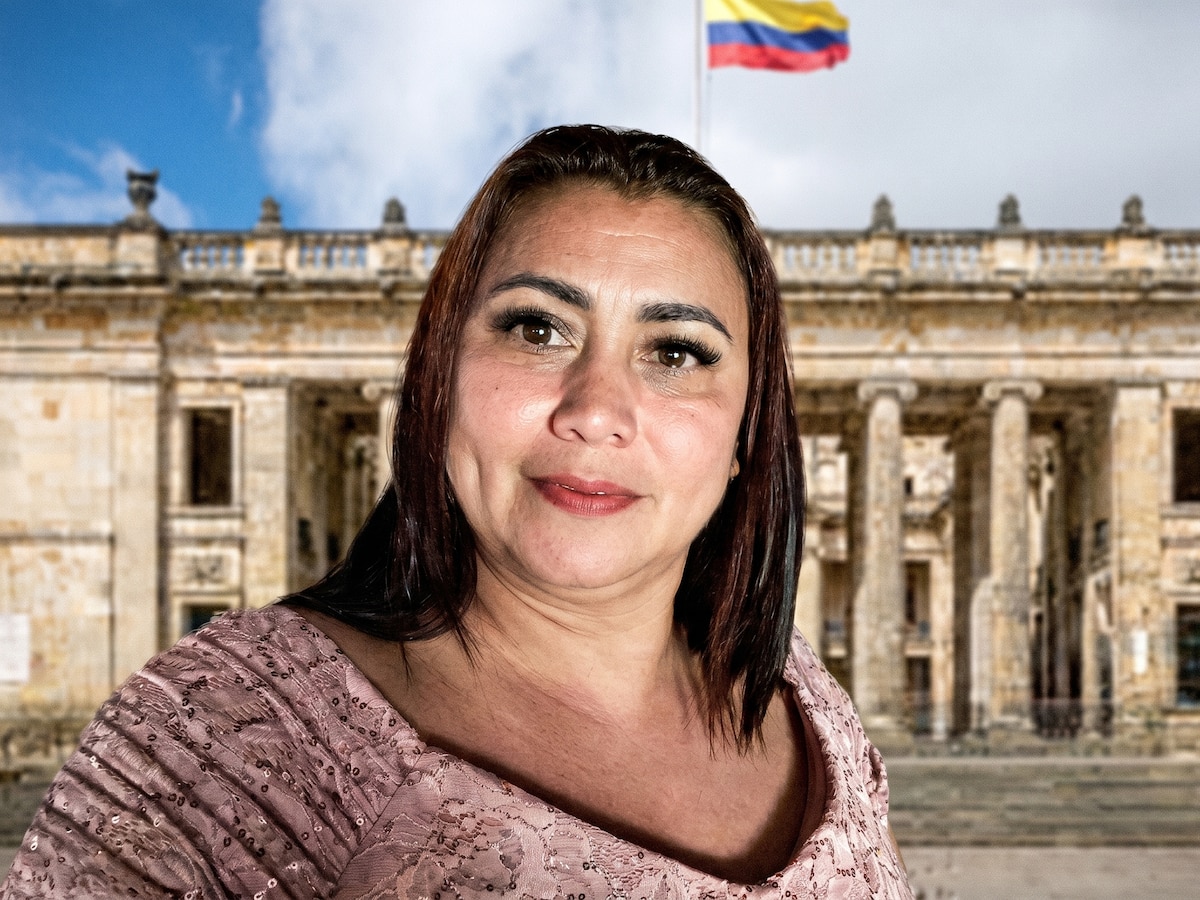
Colombian President Gustavo Petro announced the introduction of the 'Yulixa Bill,' a legislative initiative that would restrict aesthetic surgery procedures to medical surgeons with a specialization in aesthetic surgery obtained from accredited universities. The proposal was disclosed by the president via his X account, amid the controversy generated by the case of Yulixa Toloza, a 52-year-old woman who died after undergoing an aesthetic surgery at a center in southern Bogotá. The incident has reignited concerns over existing controls at clinics performing such procedures in the country. In his post, the head of state wrote: 'The government will present the Yulixa Bill, which seeks to ensure that no one can perform aesthetic surgery without a degree as a medical surgeon specialized in aesthetic surgery from an accredited university.' The proposal comes as investigations continue into the conditions under which the aesthetic procedure was performed on the woman and the operation of the establishment where the incident occurred.
Debate on Illegal Centers and Pending Regulation The case of Yulixa Toloza has brought renewed attention to the operation of clandestine aesthetic centers and the lack of controls over individuals performing surgical procedures without certified specialization. Various sectors have insisted on the need for Congress to advance the approval of a law establishing mandatory requirements for the operation of aesthetic clinics and the practice of surgeries related to body treatments. The discussion has also focused on existing regulatory gaps regarding establishments that operate without authorization or offer invasive procedures without specialized medical supervision. The initiative announced by the government aims to move the bill through the legislative process and overcome previous attempts that failed to gain final approval in Congress. Potential points for debate include stricter health controls, oversight of aesthetic centers, and penalties for illegal practices.
Arrests and Case Investigation Investigations established that Yulixa Toloza underwent laser lipolysis at an establishment known as Beauty Láser, located in southern Bogotá. Subsequently, her body was abandoned on a road in Apulo, Cundinamarca, after being missing for several days. In connection with this case, María Fernanda Delgado Hernández and Edinson José Torres Sarmiento were arrested in Maracay, identified as the owners and administrators of the aesthetic center. Authorities indicated that the suspects had fled Colombia and could face charges for forced disappearance, simple kidnapping, failure to provide assistance, concealment by favor, and destruction of evidence. During judicial proceedings, the detainees began providing information about the hours following the procedure performed on the woman. According to statements included in the case file, Yulixa reportedly remained with vital signs for several hours after the intervention. In one testimony known within the investigation, María Fernanda Delgado stated: 'When they took her out in the car, she was still breathing.' Another account included in the process states: 'Yulixa's last words were that she was very thirsty, that she regretted having the surgery, that she felt a lot of pain in her back and weakness.'
New Case Details: Forensic Medicine Revealed It Was a Homicide The necropsy expert report prepared by Legal Medicine revealed, on Friday, May 29, new details about the death of Yulixa Toloza and documented multiple injuries in different parts of the body. According to the document known to La FM, the cause of death corresponds to a 'fat suction procedure on the abdomen and back,' in addition to complications derived from the injuries found. The report noted the existence of 'serious internal injuries, fractures, stab wounds, and complications associated with the aesthetic procedure to which she was subjected.' The necropsy recorded injuries to several costal arches, hematomas in the fatty tissue of the back, deep injuries in the lumbar region, and paravertebral affectations. Additionally, experts documented 11 stab wounds: four on the anterior part and seven on the posterior part of the body. Hemorrhagic injuries were also identified in neck muscles and affectations in the abdomen, thorax, armpits, back, inguinal region, sacral area, and buttocks. The forensic findings known within the investigation have led the case to be analyzed under hypotheses related to homicide, while judicial actions and the prosecution process of the detainees continue.
Source: Read the original report | Published: May 29, 2026