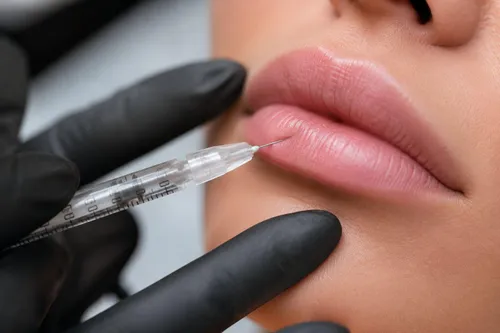
Medical professionals and regulators in South Africa are warning that a dangerous underground economy is rapidly expanding within the country’s booming aesthetics industry. Invasive cosmetic procedures are increasingly being performed outside regulated healthcare environments, often by individuals whose qualifications, products, and emergency protocols remain unclear.
At the center of growing scrutiny is Johannesburg-based aesthetic studio Sir Tim Aesthetics, operating from Rivonia Boulevard in Sandton under the Instagram handle @_sir_tim. The studio markets a wide range of cosmetic services, including microneedling, chemical peels, slimming treatments, permanent makeup, and professional training courses for aspiring aesthetic practitioners. Its online branding is sleek, aspirational, and heavily driven by social media marketing. Reviews on booking platforms praise dramatic skin transformations and affordable pricing.
When IOL sent an extensive list of questions to Sir Tim Aesthetics on Thursday, May 21, regarding practitioner qualifications, product sourcing, medical oversight, accreditation, and patient safety protocols, no response was received by the time of publication.
South Africa’s non-surgical aesthetics market has exploded over the past five years, fueled by influencer culture, TikTok beauty trends, and growing demand for cheaper cosmetic enhancements. In many cases, consumers encounter aesthetic providers not through referrals from healthcare professionals, but through viral before-and-after content promising instant results at dramatically reduced prices.
Sir Tim Aesthetics is part of that rapidly growing ecosystem. Its online booking listings advertise treatments ranging from dermaplaning and TCA chemical peels to skin tag removal and advanced microneedling packages costing up to R4,999.
“The public often does not understand that certain procedures are not beauty treatments at all. They are medical procedures,” said one Johannesburg-based clinical dermatologist who requested anonymity due to concerns about harassment within the industry. “When you are penetrating skin, using strong acids, injecting substances or altering tissue structures, you move into a clinical risk environment.”
IOL asked Sir Tim Aesthetics to clarify several key issues, including: whether any procedures involving injections or advanced skin penetration are performed by practitioners registered with the Health Professions Council of South Africa (HPCSA); whether products used in treatments are registered with the South African Health Products Regulatory Authority (SAHPRA); and clarification regarding “weight loss” treatments advertised by the studio, including whether products such as fat dissolvers or injectable slimming agents are used.
The HPCSA has repeatedly warned that invasive aesthetic procedures may only legally be performed by appropriately qualified and registered healthcare practitioners. In February this year, aesthetic physician Dr. Ishmael Mohammad warned that illegal injectors are proliferating across the country.
The Association of Aesthetic and Anti-Ageing Medicine of South Africa has also raised an alarm over the rise of unregistered practitioners operating openly on social media. In a public advisory, the organization warned that non-registered practitioners cannot legally purchase regulated injectable products through legitimate medical supply chains. That has created growing concern about black-market products entering the South African cosmetics industry.
Among the most concerning trends identified by medical professionals is the widespread marketing of so-called “deep peels” by salons and aesthetic studios operating outside clinical environments. Sir Tim Aesthetics advertises deep peels and combination skin treatments promoted as quick procedures suitable for busy professionals.
Perhaps even more alarming to regulators is the rise of unregulated “aesthetic academies.” Across Gauteng, beauty salons and aesthetic studios are increasingly offering short training programs that promise to certify members of the public in advanced cosmetic procedures. Sir Tim Aesthetics openly markets professional training services to aspiring practitioners and is joining forces with Inala Skin Lab in Eswatini to provide training. However, South Africa currently has no unified regulatory framework governing many forms of non-medical aesthetic training.
Medical professionals warn that this is creating a dangerous multiplier effect. “Today, there is growing concern around the increasing number of individuals performing advanced aesthetic and medically related procedures without appropriate education, accreditation, or clinical understanding. Treatments such as deep chemical peels, microneedling, laser procedures, injectables, IV therapy, skin tag and tattoo removal require extensive knowledge of skin anatomy, contraindications, infection control, and client safety,” she said.
IOL asked Sir Tim Aesthetics whether trainees are informed about the legal limitations surrounding non-medical practice, particularly regarding injectables and invasive procedures.
The investigation comes amid mounting global concern around viral injectable products marketed online. Complications linked to unregulated injectables have become increasingly common. The Gauteng Department of Health recently confirmed that two patients in Ekurhuleni were hospitalized with severe complications, including organ failure, after using unregulated injectable substances linked to body enhancement procedures.
Medical specialists say social media has fundamentally altered public perceptions around cosmetic medicine. Procedures involving needles, acids, and tissue alteration are increasingly presented online with the casual tone of makeup tutorials.
Source: Read the original report | Published: May 26, 2026