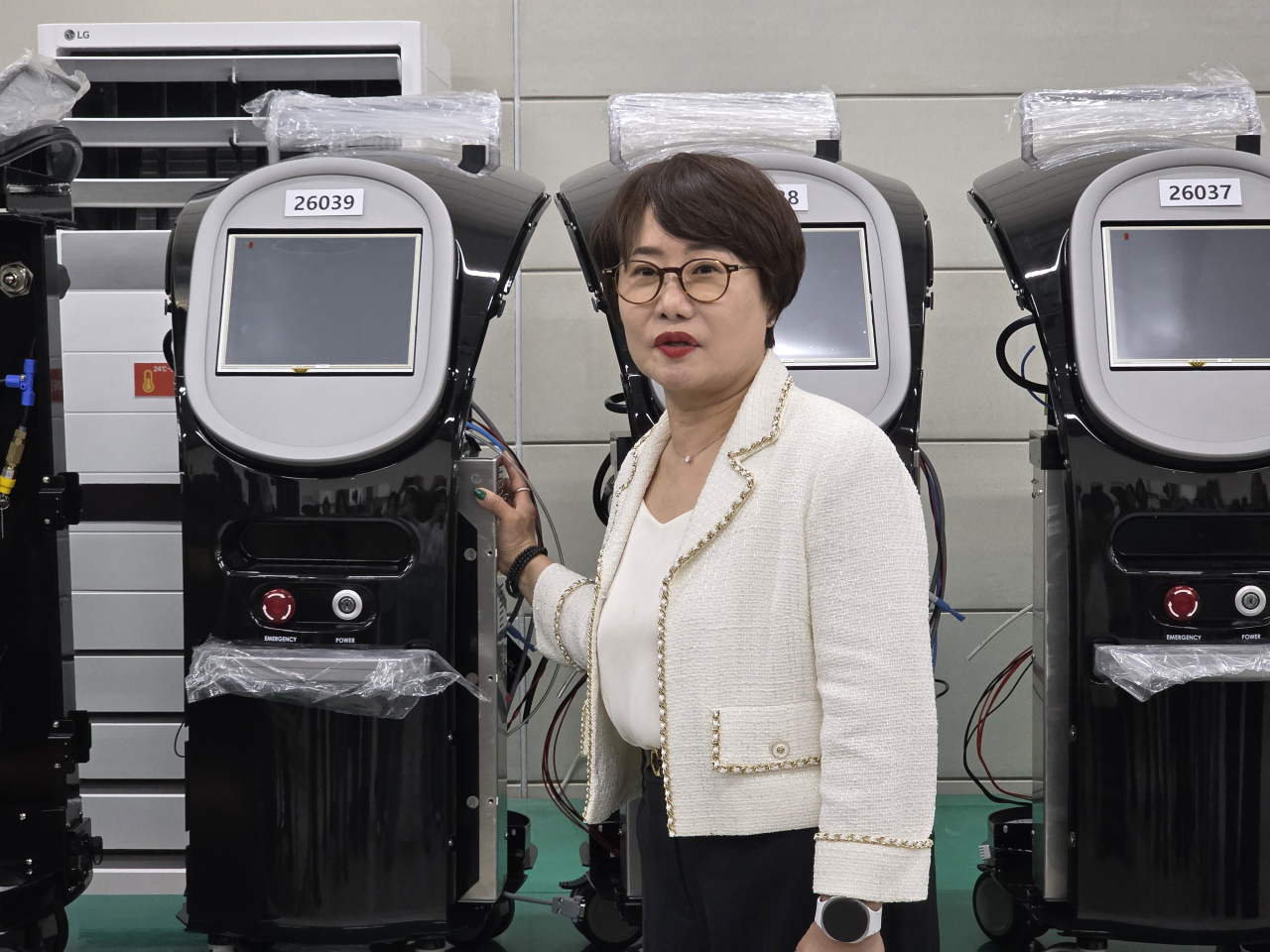
Shenbi, a South Korean medical aesthetics device manufacturer, has achieved significant global expansion by directly developing and producing radiofrequency (RF) and plasma-based devices. The company, headquartered in Seoul's Seongsu-dong, operates its own R&D, production, and assembly lines, positioning itself as a full-spectrum manufacturer rather than a mere distributor. With six FDA clearances and exports to 96 countries, Shenbi has grown into a K-medical tech player. FDA Clearances and US Market Entry "We believed that to gain global recognition with Korean medical devices, we ultimately had to overcome the FDA hurdle," said CEO Kang Sun-young. While many domestic competitors focused on China in the 2010s, Shenbi prioritized securing US FDA approvals. The company obtained its first FDA clearance in 2016 for the Vivace device. The process was challenging, requiring US clinical data instead of relying solely on Korean data. "We learned that global markets demand local data and trust," Kang noted. Post-FDA, Shenbi's growth accelerated. Revenue rose from KRW 31.2 billion in 2023 to KRW 41.2 billion last year, with exports increasing from KRW 29.4 billion to KRW 33.2 billion. Currently, 80-90% of sales come from overseas. Russia accounts for 25-30% of revenue, the US about 15%, and Brazil is a key growth market. "Brazil has a huge enthusiasm for K-beauty and medical aesthetics. Brazilian doctors often visit Korea in groups of 100," Kang added.
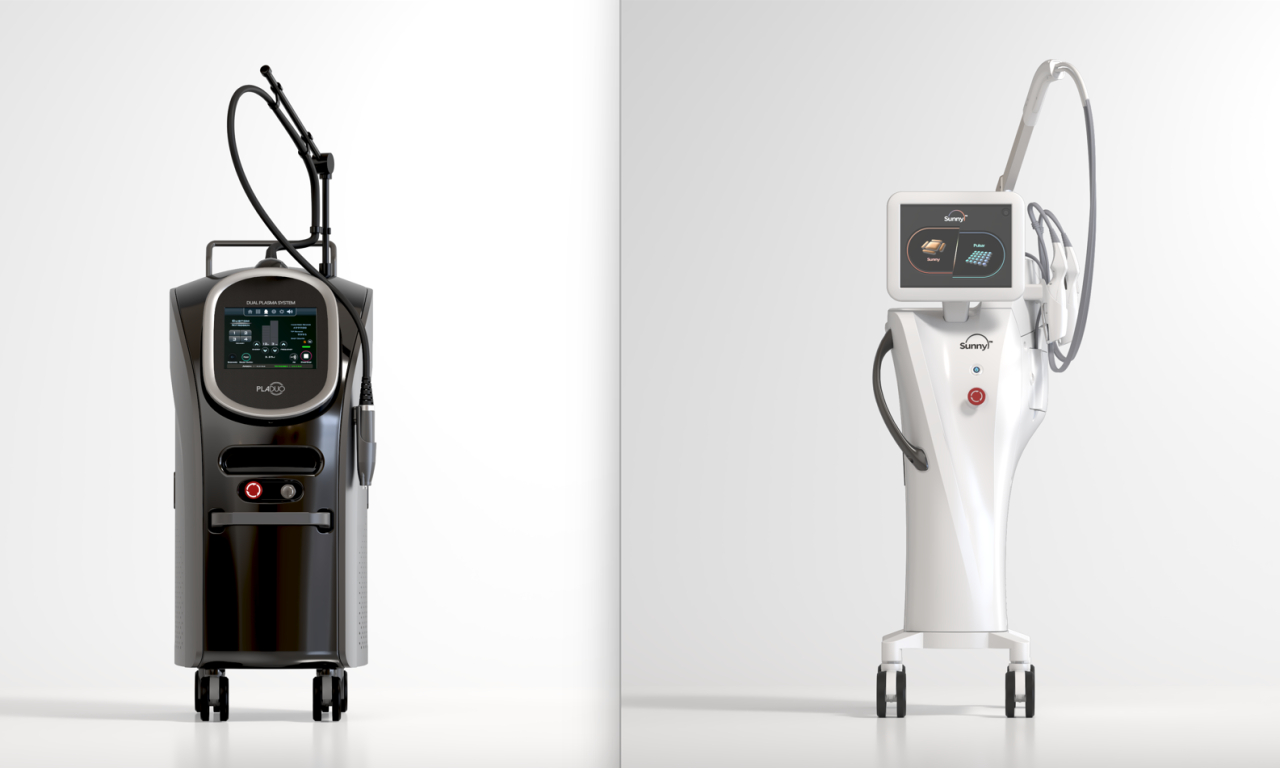
Leading Plasma Technology for Skin Treatment Shenbi's core strength lies in accumulated technology. Rather than copying existing devices, the company pioneers less-developed tech areas. A prime example is the Pladuo plasma device, launched in 2017 when plasma was mainly used for cancer research, not skin treatment. "There were almost no cases of applying plasma to skin at the time. Shenbi opened the market by building clinical and basic data ourselves," Kang explained. Pladuo features a dual-plasma system using nitrogen and argon simultaneously, reducing ozone generation and side effects compared to corona plasma, with precise energy control. The Virtue RF device focuses on reducing pain and downtime through energy fractionation and a cooling system, delivering multiple lower-energy pulses instead of one strong burst. "We secured clinical evidence that relatively low energy can achieve sufficient results, reducing pain and downtime," Kang said. Focus on Technology Over Expansion
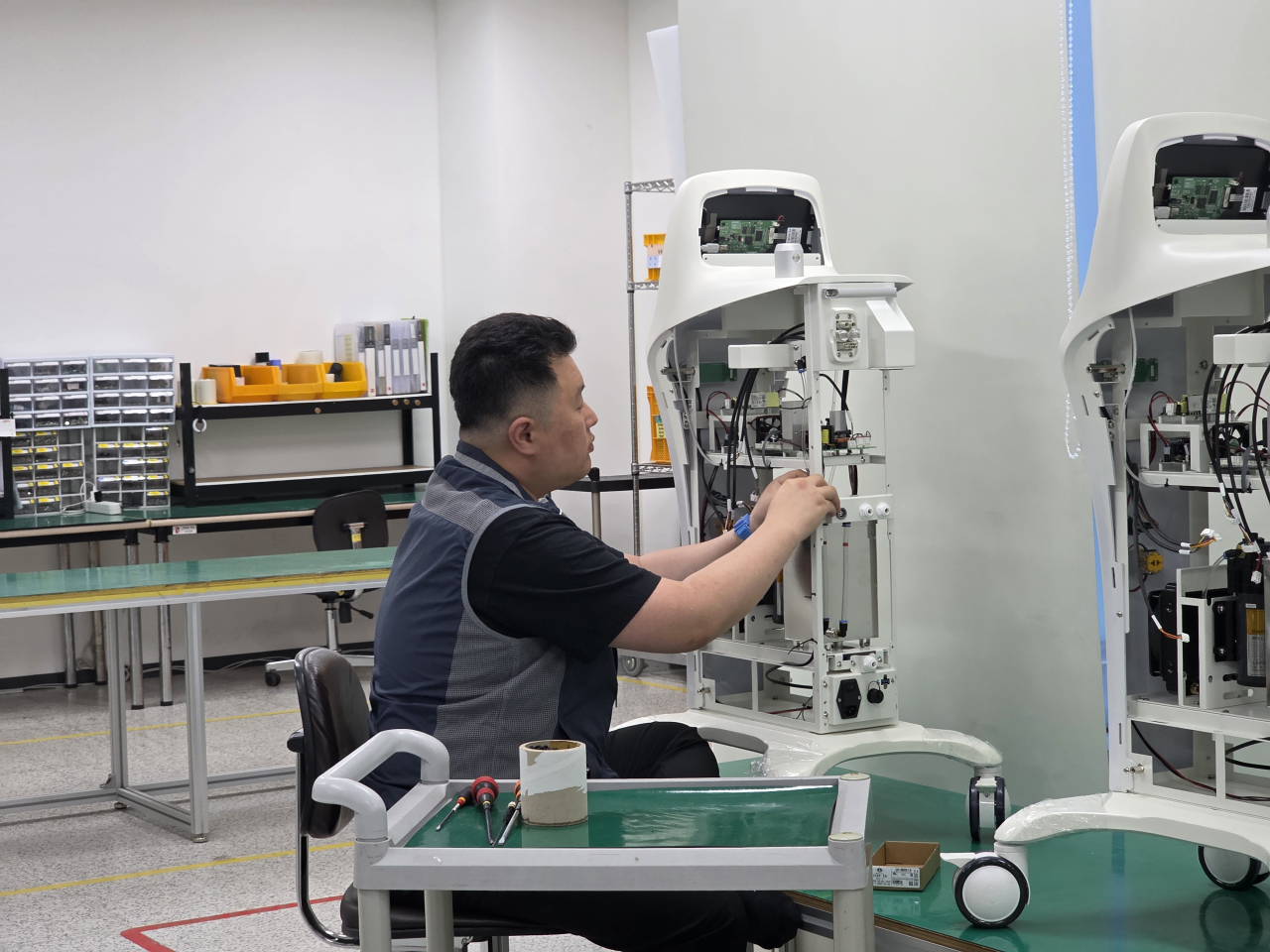
Shenbi operates all R&D, production, and development teams within its Seongsu-dong headquarters, bucking the trend of relocating or outsourcing manufacturing. "In medical aesthetics devices, the most important competitive edge is technical talent," Kang noted. The company's workforce has grown from 58 in 2023 to 104 currently, with 21 dedicated to R&D. It is also building automated sterilization consumable production lines and cleanrooms. Shenbi has no immediate IPO plans, prioritizing technology accumulation over external investment. "We've seen many cases where founders leave after listing, and the company shifts from tech development to sales-driven operations. We want to remain a company that continuously accumulates technology, not just sells devices," Kang said. The company is now developing an AI-based data accumulation system to analyze physician treatment parameters and patient data for next-generation device development. "Each doctor uses different parameters, but that data is rarely shared. We aim to accumulate data within devices to develop new indications and refine products," Kang explained. "RF and plasma will continue to evolve. Our goal is to grow beyond K-beauty into a representative K-medical tech company."
Source: Read the original report | Published: May 18, 2026