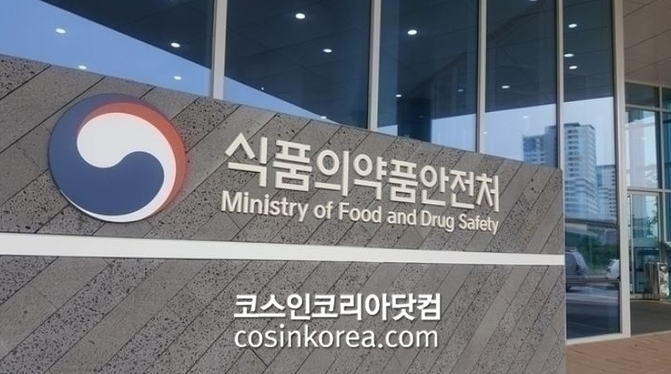
South Korea's Ministry of Food and Drug Safety (MFDS) has imposed advertising suspensions and fines on 14 cosmetics companies between April 24 and May 31, 2026, for violations including drug-misleading claims, exaggerated efficacy, and improper comparative advertising. This enforcement action signals heightened regulatory scrutiny that overseas buyers and distributors should factor into their sourcing and compliance checks for Korean beauty products.
Violations and Penalties
The MFDS identified multiple infractions under the Cosmetics Act, with penalties ranging from 2 to 6 months of advertising suspension per product. Companies such as Iris and Swanicoco received 2-6 month suspensions for drug-misleading ads on products like Derma Share Cica Vitamin Ampoule Balm and PDRN Rejuvenating Repair Cream. Yaksonmyeongga Healthcare was penalized 4 months for drug-like claims and improper comparative advertising on its lifting patch.
Repeat Offenses and Aggravated Penalties
Iris faced a 6-month suspension for a second violation on its Derma Share Cica Vitamin Ampoule Balm, reflecting the MFDS's zero-tolerance approach to repeat offenders. This pattern underscores the importance of rigorous compliance programs for manufacturers and exporters to avoid supply disruptions.
Broader Enforcement Scope

Other sanctioned firms include Koo's Corporation (2 months for expert endorsement claims), Korea B&C (2 months for exaggerated ads), Aid Korea Company (3 months for functional cosmetic misrepresentation), and LSC (3 months for drug-misleading language). Cosmos received a 2-month suspension for unauthorized expert recommendations. These cases highlight common pitfalls in marketing language.
Labeling and Distribution Violations
Zero Founders was fined 7.605 million KRW for selling products with outdated distributor addresses on packaging, a labeling infraction that affected seven SKUs. This serves as a reminder for importers to verify that all packaging and labeling comply with current MFDS requirements before shipment.
What Buyers Should Watch
Overseas distributors and clinic buyers should request updated compliance certificates from Korean suppliers, particularly for products making functional or therapeutic claims. Verify that advertising materials do not imply drug-like efficacy, use expert endorsements without clear disclaimers, or engage in unsubstantiated comparative claims. Regular audits of marketing content can mitigate regulatory risks and ensure smooth import clearance.
Source: Read the original report | Published: May 30, 2026