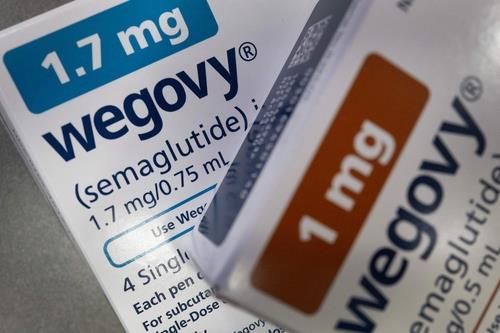
The rapid increase in the use of anti-obesity medications for weight loss and blood sugar management has raised concerns about side effect management.
Novo Nordisk's Wegovy (semaglutide) and Eli Lilly's Mounjaro (tirzepatide) are GLP-1 receptor agonists that suppress appetite by acting on appetite-regulating hormones. Both drugs have demonstrated weight loss efficacy and safety in formal clinical trials.
However, potential side effects exist. A recent large-scale study involving over 66,000 patients found a slightly elevated risk of pancreatitis in those using GLP-1-based injectable weight-loss drugs. According to the U.S. Food and Drug Administration (FDA) adverse event database, 30% of pancreatitis cases linked to GLP-1 injections occurred within the first month of treatment, and about half within three months.
The medical community attributes this not to direct pancreatic damage from the drugs but to rapid weight loss. When weight decreases by more than 1.5 kg per week, the liver increases cholesterol secretion, and reduced food intake lowers bile secretion and gallbladder motility. GLP-1 injections further slow biliary tract movement, creating conditions conducive to gallstone formation. If these stones block the pancreatic duct, acute pancreatitis can result.
Experts warn that common early symptoms like nausea or indigestion should not be dismissed as simple gastrointestinal issues. Weight loss exceeding 1.5 kg per week, pale gray stools, and upper abdominal discomfort or bloating may be early signs of gallstones or pancreatitis.
Dr. Lee Si-young, a gastroenterologist at Kangbuk Samsung Hospital, advised: "If after starting the medication, you experience not just mild discomfort but severe stabbing pain in the upper left abdomen or the pit of the stomach, acute pancreatitis should be suspected."
This report is based on an article from Sisa Journal.
Source: Read the original report | Published: May 11, 2026