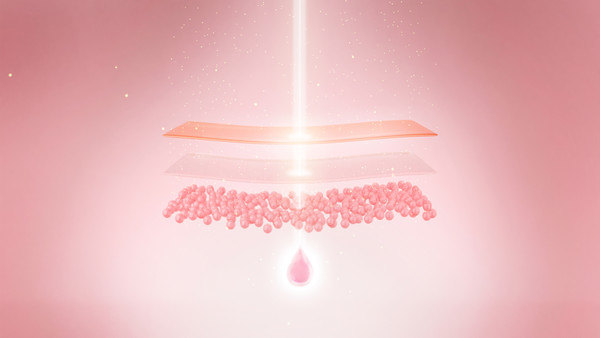
The aesthetic sector, a key driver of K-beauty, is undergoing a rapid transformation. The industry is shifting away from manual, hand-based treatments toward device-based procedures using lasers and radiofrequency. Park Hye-sun, CEO of Gui Netter, who runs a business combining education, equipment development, and clinic operations, discussed this trend. She first addressed perceptions of lasers. While many associate lasers with medical procedures, their role in aesthetics is different. Some clinic owners still feel burdened by laser devices, believing they are only for hospitals. "It's necessary to accurately understand the differences between devices," Park emphasized. Medical and aesthetic devices differ in approval standards and mechanisms of action. Medical devices are for treatment, while aesthetic devices focus on skin care and improvement. Aesthetic lasers are non-invasive, targeting the epidermis by creating micro-channels to aid absorption, unlike medical lasers that stimulate the dermis. This difference is reflected in certification. Medical devices require GMP certification for disease treatment and invasive procedures. Aesthetic devices fall under industrial goods with KC certification for non-invasive skin care. "If these standards are not clearly understood, the adoption rate of lasers in the field will remain low, and the quality of customer service will stagnate," Park added. Since aesthetic devices are closer to industrial goods than medical devices, results can vary greatly depending on operator skill. "Medical devices use high output to stimulate the dermis, while aesthetic devices use low output to stimulate the epidermis and induce exfoliation," she explained. "It is crucial that trained personnel operate safety-verified equipment."

As aesthetic laser devices become commercialized, the traditional hand-based approach is changing. Complex skin concerns are harder to address with simple manual care, increasing the need for energy-based devices to promote skin cycle recovery. Lasers are now being used to regulate skin flow, not just for basic care. Park proposed a future standard: the combination of manual techniques and devices. This addresses a common question: why do results differ even with the same device? "It ultimately comes down to skill level," she said, stressing the importance of operation over equipment. Recently, Er:YAG aesthetic lasers like the 'Selfro Shot' developed by La Meditech have gained attention. Park uses this device in her shop and reports positive effects on revenue. Er:YAG is known for minimizing damage while enhancing absorption, promoting both regeneration and lifting. The trend is toward combined treatments—using lasers to induce change followed by growth factors—which increases perceived effectiveness with repeated sessions. These changes also impact clinic operations, leading to higher average transaction values and increased revisit rates. "Previously, even with a 10-session package, many clients would drop out midway. Now, with device-based care, clients proactively ask about their next session," Park said. "The revisit cycle shortens, and the average spend naturally rises." Park believes the aesthetic market has already entered its next phase. However, she repeatedly stressed that operation is more important than equipment, and that technology, experience, and results must be designed together.
Source: Read the original report | Published: May 06, 2026