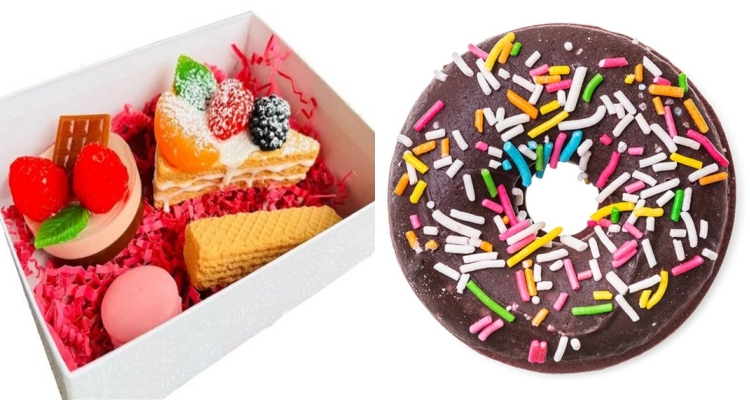
The 'funsumer' trend, driven by novelty and shareability on social media, is fueling a rise in food-mimicking cosmetics that pose serious safety risks, particularly for infants and young children. South Korea's Ministry of Food and Drug Safety (MFDS) has cracked down on such products, finding 95 violations in online sales posts. According to the MFDS, the most common violations were for human cleansing soap (68 cases, 72%), followed by bath additives (22 cases, 23%), body cleanser (2 cases, 2%), and lip balm, hand cream, and body lotion (1 case each, 1%). These products, designed to look like cupcakes, macarons, or jelly, can easily be mistaken for food by children, leading to accidental ingestion and potential chemical poisoning. Current cosmetics law prohibits manufacturing, importing, storing, or displaying products that mimic food in form, smell, color, size, container, or packaging, if they risk being mistaken for food or misused. The MFDS has requested blocking of the offending posts and will conduct further inspections through regional offices. Violators face administrative penalties and product recalls or disposal.

Critics argue the issue reflects a broader problem with the funsumer culture, where visual appeal and 'Instagrammability' overshadow product safety and function. This trend, amplified by short-form video platforms, encourages impulse buying and distorts consumption patterns. Experts warn that such marketing, while boosting market vitality, can lead to safety lapses, overconsumption, and misuse, especially among vulnerable groups. An MFDS official stressed that cosmetics must be used only for their intended purpose and stored out of reach of children. Industry voices are calling for companies to consider safety risks alongside novelty in product design.
Source: Read the original report | Published: May 27, 2026