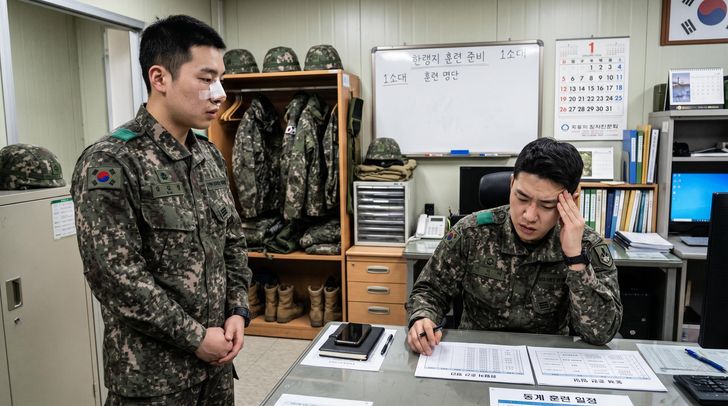
Front-line commanders in the South Korean Army are facing operational disruptions as a growing number of active-duty soldiers undergo elective cosmetic surgeries, according to a report by Hankook Ilbo published May 11, 2026. First Lt. Kim, a platoon leader at a front-line unit in the capital region, excluded a corporal from critical cold-weather training early this year after the soldier returned from leave with a swollen, unhealed nose from rhinoplasty. "I was flustered because he underwent a nose job without saying a word right before the training," Kim said, adding that he sidelined the soldier to avoid medical complications in the field. The trend is fueled by rising military pay and aggressive clinic marketing. Soldiers are increasingly using social media to inquire about recovery times and costs. A consultation manager at a Gangnam plastic surgery clinic reported two to three active-duty soldiers visiting weekly for eye or nose consultations. One soldier, Cpl. Choi, 22, said he saved his 1.2 million won ($815) monthly salary for months to afford eyelid surgery, even avoiding the post exchange (PX) store.

Clinics actively target recruits with ads offering military discounts and advice on using private health insurance. When a Hankook Ilbo reporter visited a Gangnam clinic claiming to be an active-duty soldier, the clinic offered a 40 percent discount. Operational strain is mounting. A second lieutenant in the Chungcheong region excluded a soldier from night guard duty after the soldier returned with severely swollen eyes from double eyelid surgery. "I had no choice but to take him out considering safety," the lieutenant said. "In the end, we had to readjust duty groups with other personnel." Commanders also face parental interference. Capt. Park, a company commander at a front-line Army unit in Gangwon Province, received a call from a soldier's mother in March requesting her son be excluded from trench maintenance due to unhealed eyelid surgery. "It can set a bad precedent, so it is difficult to accommodate unconditionally, but if something goes wrong, officers can take responsibility, so I was in a difficult position," Park said. He noted considerable dissatisfaction among peers forced to cover the workload.

Despite these disruptions, commanders lack clear regulations to sanction or manage elective surgery recovery. The Framework Act on Military Status and Service and unit management directives do not address the issue. Choi Gi-il, a military studies professor at Sangji University, stressed the need for systematic management measures to protect combat readiness while considering generational values. "The military must prevent cases in which soldiers miss training or unit activities because of lingering effects from surgery," Choi said. The report highlights a critical gap in military regulations as cosmetic surgery becomes more common among younger soldiers.
Source: Read the original report | Published: May 11, 2026