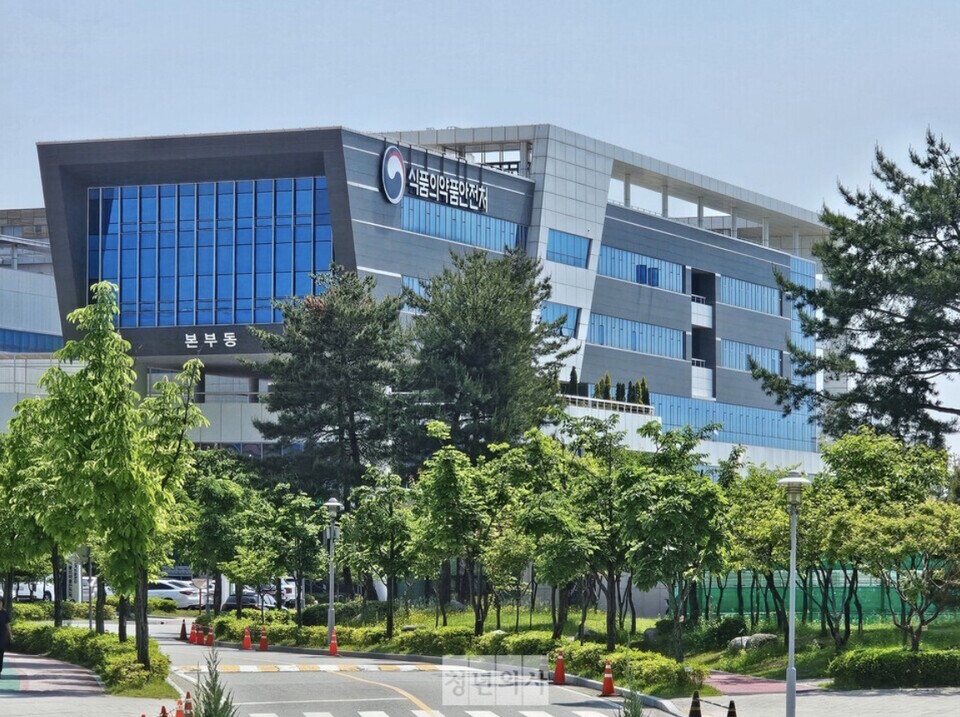
South Korea's Ministry of Food and Drug Safety (MFDS) has proactively coordinated with the Financial Supervisory Service (FSS) to exclude certain non-reimbursed cancer immune injections from the coverage of 5th-generation private health insurance ("silson" insurance). This move comes ahead of the MFDS's planned clinical re-evaluation of these products.
The injections in question—thymosin alpha-1, Viscum album, and immunocyanin—have been widely used in convalescent and oriental medicine hospitals as adjuvant cancer therapy, immune support, and cancer recurrence prevention. However, the National Evidence-based Healthcare Collaborating Agency (NECA) concluded in its medical technology reassessment that while no serious safety risks were identified, there is insufficient evidence of efficacy as adjuvant cancer therapy, leading to a "not recommended" rating.
Thymosin alpha-1 has been at the center of controversy, accounting for the largest share of non-reimbursed medical expenses. According to data from the Ministry of Health and Welfare's non-reimbursed reporting system for the second half of 2024, thymosin alpha-1 alone generated 16.4 billion KRW in medical fees in September, translating to an estimated annual total of 196.8 billion KRW. Including Viscum album and immunocyanin, the annual non-reimbursed market for these three ingredients could reach hundreds of billions of KRW.
Despite NECA's negative assessment, the MFDS continued to renew and approve new products containing these ingredients, drawing criticism during last year's parliamentary audit. The MFDS argued that NECA's reassessment and its own approval/renewal reviews serve different purposes and scopes, but lawmakers demanded a re-examination reflecting actual usage patterns and efficacy evidence.
In response, the MFDS announced plans to conduct clinical re-evaluations but acknowledged the administrative process—including selecting targets, issuing public notices, and reviewing data—would take considerable time. To prevent continued non-reimbursed prescriptions through private insurance in the interim, the MFDS engaged the FSS to adjust insurance payment criteria.
Kim Chun-rae, head of the MFDS's Pharmaceutical Policy Division, told Uihyang News: "Since clinical re-evaluation requires time procedurally, we judged it necessary to first reflect management measures within the private insurance system."
The key change is a new clause in 5th-generation private insurance policies that incorporates evaluation results from credible agencies like NECA. If NECA issues a "not recommended" rating for a specific non-reimbursed cancer immune injection, insurers can deny coverage based on that assessment.
Kim added: "After consultation with the FSS, the relevant content has been reflected in the supplementary provisions of the 5th-generation insurance policy. The administrative notice has been completed, and I understand it will take effect as early as next week."
However, criticism remains over delays in the MFDS's own clinical re-evaluation process. Nearly six months have passed since the MFDS pledged to proceed with re-evaluation during last year's audit, yet the public notice—the formal start of the process—has not been issued. The recent approval of a new thymosin alpha-1 product (Immunusin Injection 1.6mg by Korea Chorus on the 23rd) has further fueled controversy.
Kim explained: "The re-evaluation process begins from the date of the public notice. Since the notice hasn't been issued yet, regional offices treated it as not subject to re-evaluation." He added: "It wouldn't be appropriate to block only a specific company's entry when products already approved and on the market exist. Ultimately, after the re-evaluation is completed, we will take action based on the results, including existing products."
The MFDS maintains that it will proceed with clinical re-evaluation with procedural legitimacy after the public notice. Kim stated: "We are preparing and proceeding step by step to minimize problems later."
The controversy now intertwines the MFDS's approval/re-evaluation system with the private insurance framework. While the MFDS aims to curb excessive non-reimbursed use through insurance reform, critics argue that the drug authority's clinical judgment must move faster, independent of insurance policy adjustments.
Once 5th-generation private insurance excludes non-reimbursed cancer immune injections rated "not recommended" by NECA, the market impact is expected to be immediate. However, this measure cannot substitute for the MFDS's delayed clinical re-evaluation, making the timing and criteria of the upcoming public notice the next focal point.
Source: Read the original report | Published: April 30, 2026