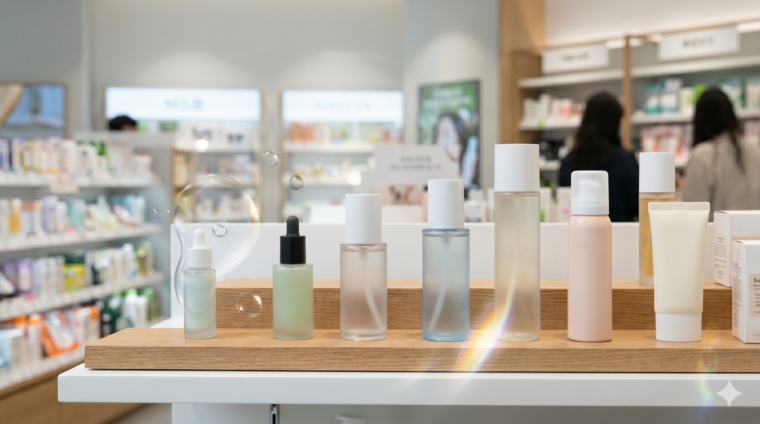
In the domestic beauty and retail market, the complementary relationship between base makeup and color cosmetics is being emphasized, leading to the emergence of a distinct demand for pre-makeup products, often referred to as 'Hwajalmeok' (makeup boosting). This trend goes beyond a short-term fad, driven by increased demand for moisture and oil balance management during seasonal transitions and hot weather, combined with curation strategies from distribution platforms. Around May, as summer approaches, consumers experience both increased sebum production and dryness from indoor cooling, creating a peak demand for skin prep. While consumers previously focused on base makeup itself to improve makeup adherence, interest is now shifting to functional skincare products that refine skin texture before makeup application. This shift is rooted in consumers' efficiency-oriented purchasing behavior. Instead of lengthy skincare routines, they prefer single products that both improve skin texture and boost makeup performance. In response, brands are emphasizing customized solutions for sebum control, hydration, and pore care, strengthening functional claims. Recently, the disclosure of human application test data for functional products has become a key purchasing persuasion tool. Companies are launching new products or reorganizing existing lineups based on quantitative data. For manufacturers and brand owners, the pre-makeup category is seen as a way to expand the use of existing bestsellers or secure shelf competitiveness in health and beauty (H&B) platforms through new lineups. As major retail platforms like Olive Young run seasonal themed promotions to highlight specific functional product groups, brand companies' platform planning capabilities are becoming increasingly important.
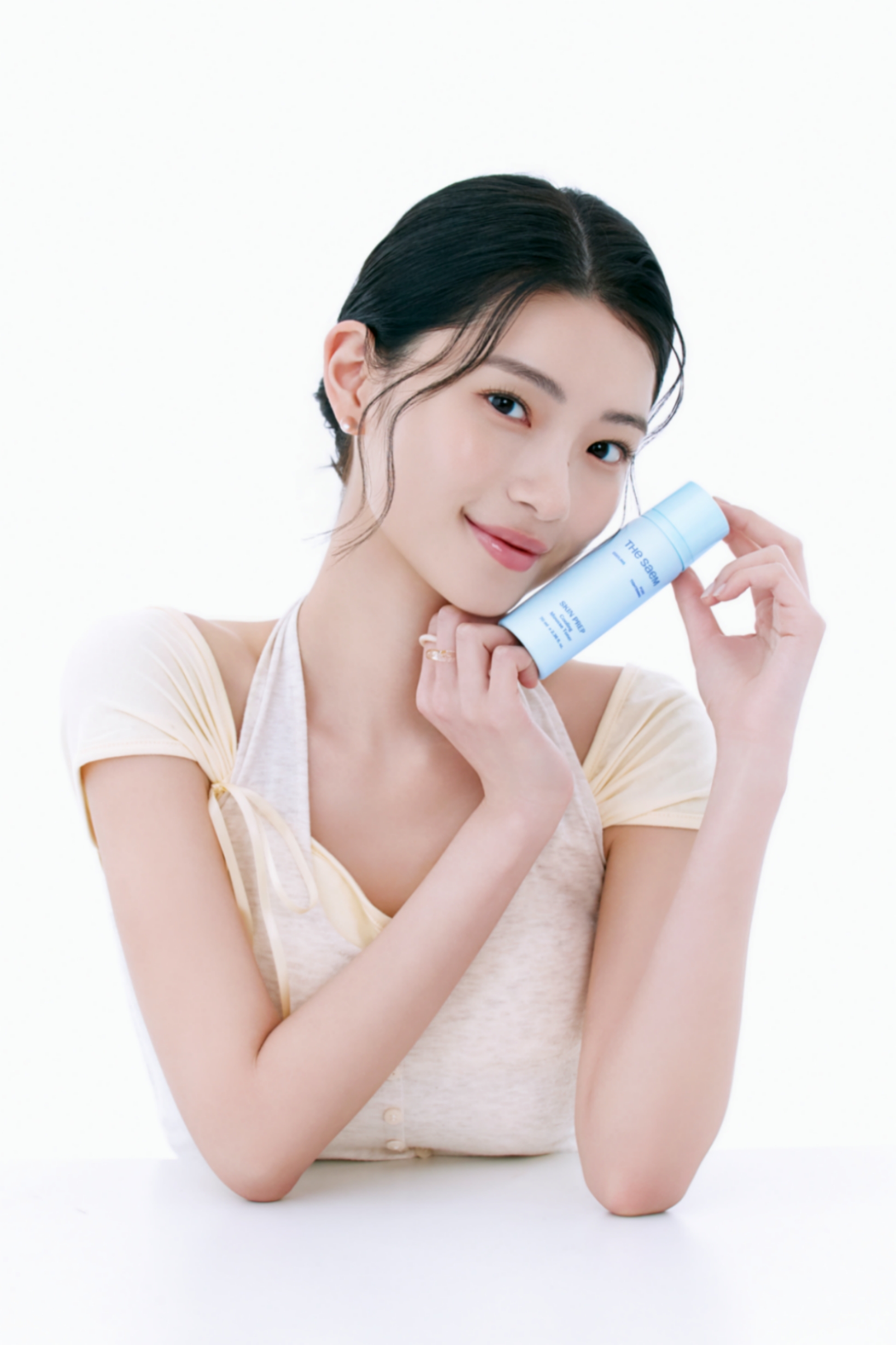
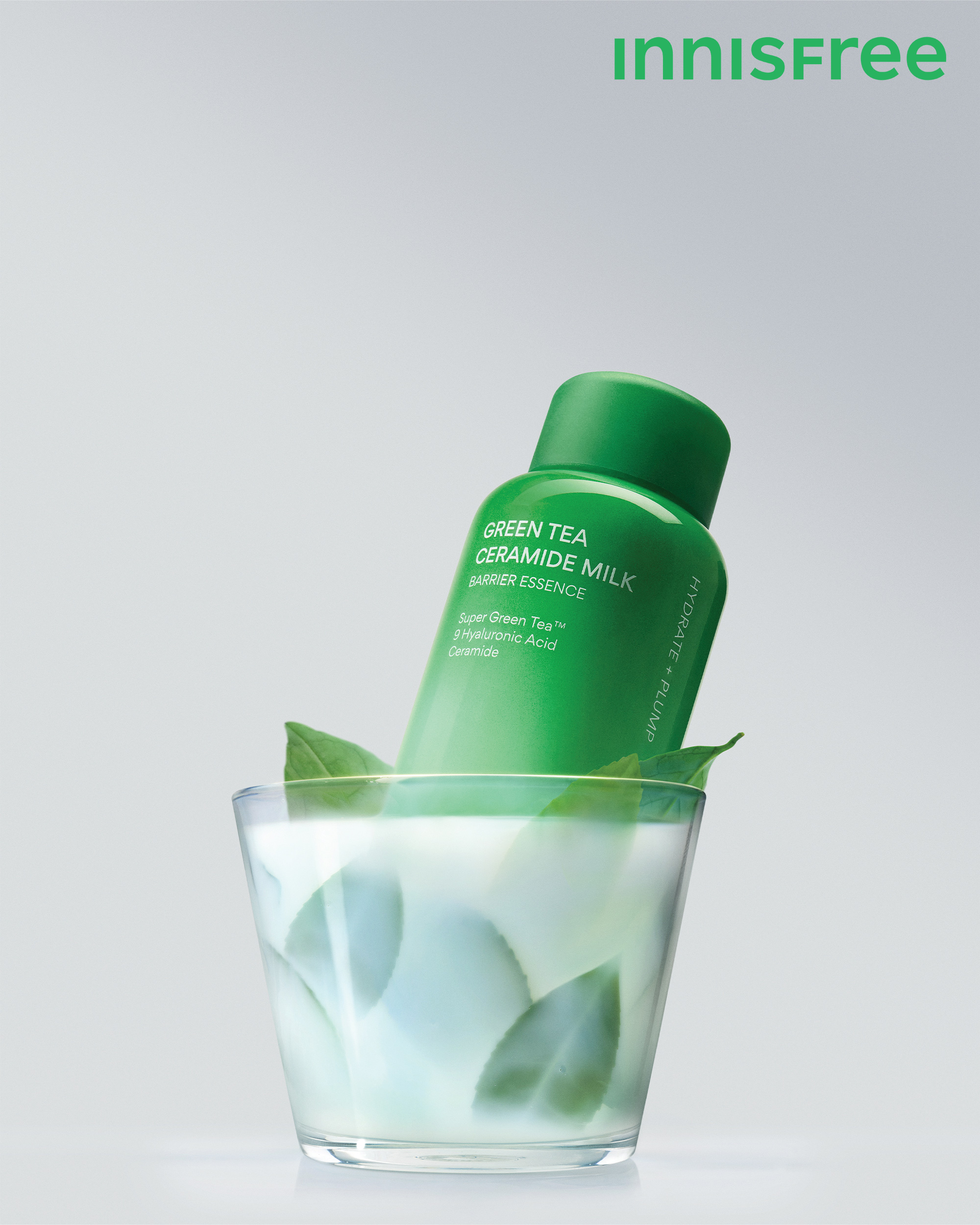
**Data-Driven Efficacy Proof and Platform-Tight Distribution Strategy** Major beauty companies are developing strategies that consider platform characteristics from the planning stage. The Saem has launched two 'Skin Prep' products that manage pores, dead skin cells, and uneven texture, leveraging its base makeup expertise into the skincare realm. The brand highlights human application test results showing reduced skin temperature and improved pores, while pricing the products at a reasonable level under 10,000 won. Notably, it secured early brand awareness through a platform-tight distribution strategy, applying a 33% discount during Olive Young's 'New This Month' promotion. Innisfree is reinterpreting its existing bestseller assets from a makeup-boosting perspective. For example, its 'No Sebum Tone-Up Sunscreen,' which has sold over 4 million units, has been upgraded with enhanced primer functionality to help create a matte skin finish. Additionally, its 'Green Tea Milk Moisture Essence,' which acts as a hydrating primer, boasts a quantitative data point of a 1168% increase in skin moisture just 3 seconds after application, boosting channel credibility.
Furthermore, Innisfree matches its 'Retinol Cica Spot Ampoule,' which has accumulated 90,000 reviews and 7.44 million units sold, as a product for smooth skin texture management, aiming to drive cross-purchasing across its entire lineup rather than single-item consumption. Looking ahead, the pre-makeup category is expected to become more sophisticated through formulation diversification and functional segmentation, moving beyond simple moisturizing. To succeed in the market, brand companies need to focus on quantitatively proving multi-functionality—such as increased makeup adherence and maintained moisture-oil balance—rather than relying on emotional appeals. Distribution platforms are also moving beyond simple product display to strengthen customized curation capabilities tailored to consumers' skin concerns or makeup goals. Amid seasonal climate factors and efficiency-focused consumer trends, strategically integrating this category into distribution structures will likely determine the long-term competitiveness of beauty retailers.
Source: Read the original report | Published: May 29, 2026