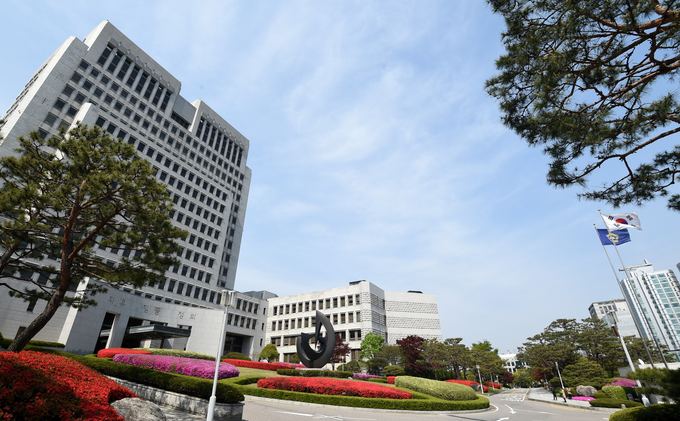
The Supreme Court of South Korea has ruled that cosmetic tattooing performed by non-medical practitioners does not constitute a medical practice, effectively overturning a 34-year legal precedent. The decision, announced on May 22, 2025, comes ahead of the implementation of the Tattooist Act in October 2025, and has been welcomed by the tattoo industry.
The Supreme Court's en banc panel overturned lower court convictions in two cases—one involving scalp tattooing and the other lettering tattooing—and remanded them to lower courts. The court stated that tattooing has been widely practiced long before the emergence of medical professionals and has developed as an independent field distinct from medicine. It emphasized that cosmetic tattooing aims to improve appearance, not treat disease, and noted improvements in hygiene and safety standards, such as the widespread use of disposable needles, sterilizers, gloves, and disinfectants, as well as tattoo machines with automatic depth control.
The court also highlighted the need to interpret the Medical Service Act in a way that maximizes the freedom of occupation, expression, and art for tattooists and clients, adding that requiring a medical license for tattooing would effectively block career opportunities.
The Korea Tattooist Association welcomed the ruling, stating that it ends an era of punishment and anxiety for many tattooists. However, it also called for the government to establish hygiene and infection control standards to ensure safe procedures, pledging to cooperate with authorities to develop a practical regulatory framework.
This decision follows a similar ruling in November 2024 by the Daegu District Court, which acquitted a non-medical practitioner of eyebrow tattooing charges, citing that the procedure is a common cosmetic practice distinct from medical treatment.
Source: Read the original report | Published: May 22, 2025