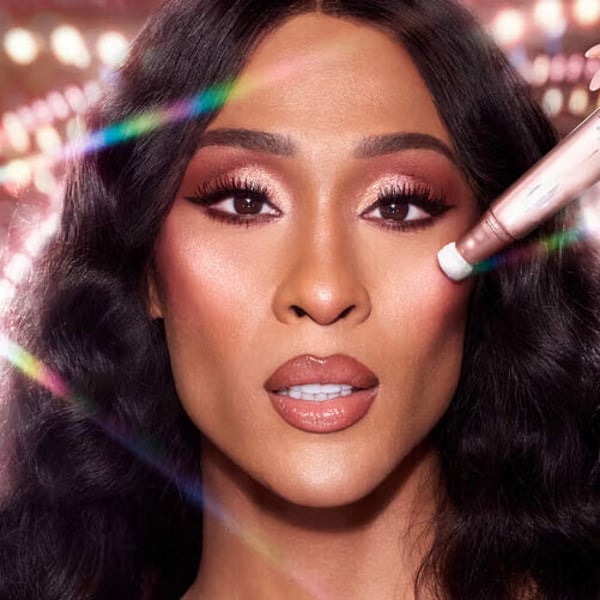
U.S. cosmetics manufacturer Estée Lauder and Spanish fragrance group Puig were finalizing details of an agreement when talks collapsed late Thursday evening, scuttling a merger that would have created a $40 billion luxury beauty giant, according to five people with direct knowledge of the deal who spoke to Reuters. The combined company would have brought together brands such as Tom Ford, Clinique, and MAC with Carolina Herrera and Charlotte Tilbury, which are popular among TikTok influencers and affluent millennials. But news leaks, disagreements between the powerful controlling families, and certain demands—including those of makeup entrepreneur Charlotte Tilbury—caused the talks to collapse, the sources said. On Thursday evening in Barcelona, while it was morning in New York, Marc Puig, a prominent figure at Puig, called Estée Lauder Chairman William Lauder to assess the rapidly deteriorating situation, one source said. Shortly after, advisors on both sides began exchanging messages, with one message featuring a skull emoji indicating the deal was dead, according to a second source. Spokespeople for Puig and Estée Lauder declined to comment. The latest obstacle involved demands related to Charlotte Tilbury—founder of the eponymous beauty brand majority-owned by Puig—regarding the terms of her minority stake, all five sources said. Charlotte Tilbury's company declined to comment. The five sources, close to both parties, spoke on condition of anonymity because the process was confidential. Three said the two groups had been close to announcing a merger multiple times.

Estée Lauder assembled a team of advisors who worked through last weekend on a valuation of Puig, requested by the Spanish stock market regulator as part of the proposed transaction, according to one source. Discussions between the two parties began late last year, one source said. When news became public in March, investors judged the deal more favorable for Puig than for Estée Lauder. Puig shares surged, while the U.S. company's shares fell. After the talks collapsed, the opposite occurred: Estée Lauder rose about 10% on Friday, while Puig lost 13%. Estée Lauder investor aversion to the deal was an additional factor that hindered talks, according to three sources. The return to stronger earnings growth in the latest quarter also strengthened the company's confidence in remaining independent, the three sources added. Months of negotiations, with meetings in Paris, New York, and Barcelona, had led to an apparent agreement in principle on issues such as governance of the new entity. Other topics addressed included a potential dual listing in New York and Madrid, maintaining Barcelona as the headquarters for the integrated group's fragrance business, and details on how to achieve synergies, two sources said. Both founding families, Lauder and Puig, intended to retain a say in the new group, according to two sources. The companies also struggled to define the structure of assets such as Charlotte Tilbury and the sunscreen brand Isdin—two of Puig's main profit drivers in which the group does not hold full ownership—two sources said.
Source: Read the original report | Published: May 25, 2026