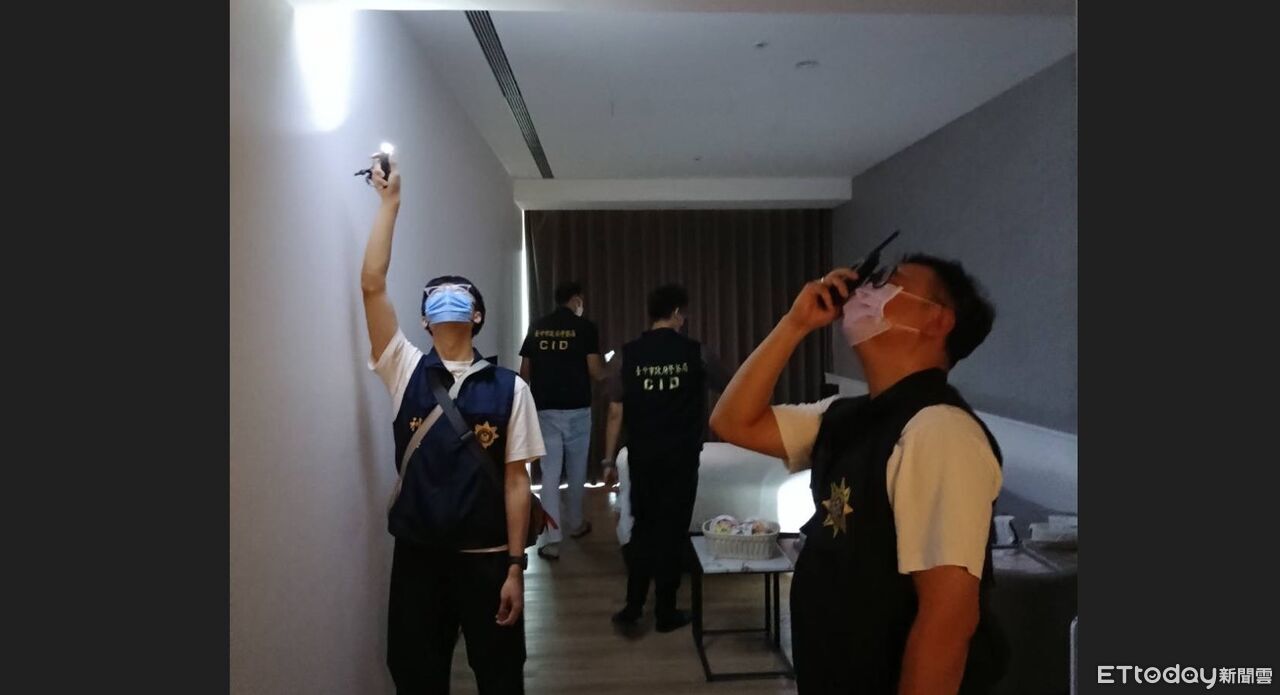
Amid a recent spate of peeping incidents at medical aesthetics clinics in Taiwan, public concern over patient privacy has surged. The Taiwan Micro-Plastic Surgery Society (TMPSS) has issued a statement cautioning against a one-size-fits-all approach to surveillance equipment in healthcare settings. According to the Society, the rise in medical disputes and violence has led many clinics to install fixed surveillance cameras in non-private or public areas. The primary purpose is to ensure patient safety, maintain medical order, handle emergencies, and preserve objective evidence. The Society stressed that such measures are fundamentally different from malicious acts like covert filming and distribution of intimate images. Dr. Chen Chun-kuang, President of TMPSS, noted that the Ministry of Health and Welfare’s Department of Medical Affairs, local health bureaus, and medical groups have held multiple discussions on privacy protection and treatment space management. The consensus is that clear and reasonable principles should be established to balance patient privacy, medical quality, and the safety of both patients and healthcare providers. Following these meetings, the Ministry of Health and Welfare clarified three key points:
1. Medical institutions are strictly prohibited from using any covert recording devices, including those disguised as audio equipment or hidden cameras. Such actions violate the Criminal Code’s provisions on breach of secrecy and the Personal Data Protection Act, and offenders will be referred for prosecution. 2. Fixed surveillance cameras may be installed in public areas of medical facilities for public safety reasons, provided they are standard, visible monitors and clearly signposted. Under the Personal Data Protection Act, recording in public spaces does not require individual consent, but the fact of recording must be clearly disclosed. 3. In “low-privacy spaces” such as general consultation rooms, counseling rooms, ophthalmology, dental, and ENT clinics—where intimate body parts are not involved—recording requires prior notification to patients about the purpose, data access, and management methods, along with written consent.

For “high-privacy spaces,” including operating rooms, examination rooms for intimate areas, and changing rooms, recording is generally prohibited. If recording is necessary for teaching or other special purposes, only partial areas may be filmed, and all footage must be de-identified. Patients must be informed in advance and provide written consent. Dr. Chen emphasized that the real focus should be on whether equipment installation complies with regulations, whether placement infringes on privacy, whether the recording purpose is legitimate, and whether images are illegally leaked or misused—rather than a blanket rejection of all recording devices. He cited dental clinics as an example: when visible monitors are installed in treatment areas with clear signage, most patients view them as a safety and order management measure. Requiring written consent for every visit would impose an administrative burden and potentially inconvenience patients. Therefore, different medical settings should be discussed rationally based on space characteristics, actual use, and management practices.
Source: Read the original report | Published: May 14, 2026