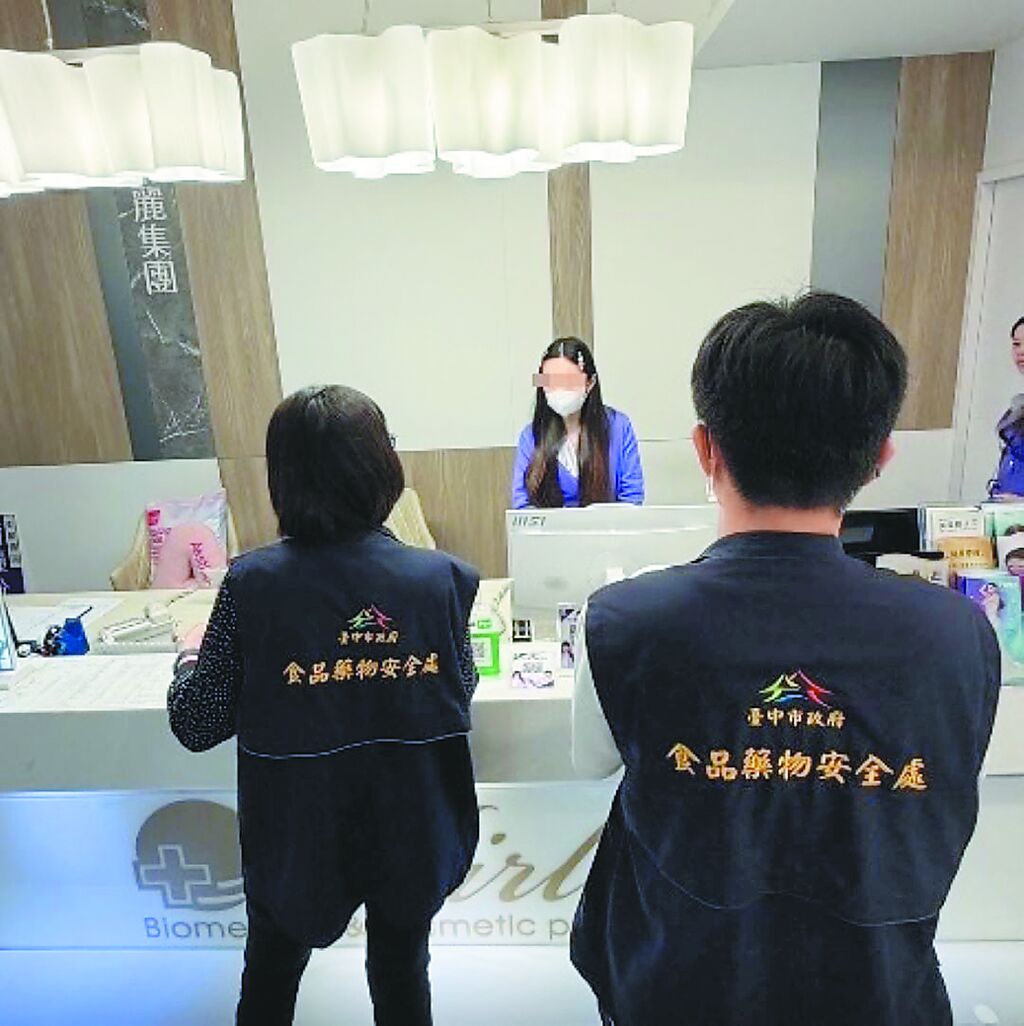
A hidden pinhole camera disguised as a smoke detector was discovered at the Banqiao branch of Aireli Clinic in New Taipei City. In response, the Taichung City Health Bureau dispatched inspectors on February 6 to two other Aireli branches in Beitun and Xitun districts. The supplier, surnamed Xie, who was detained by prosecutors, revealed that during installation he warned the clinic that pinhole cameras might be illegal and recommended standard surveillance cameras instead. However, Aireli insisted on the hidden cameras to monitor employees and prevent theft of consumables. As the scandal escalated, Taiwan's Ministry of Health and Welfare (MOHW) announced on February 6 that it would instruct all local health bureaus where Aireli has branches to investigate potential patient privacy breaches. If violations are confirmed, fines ranging from NT$50,000 to NT$250,000 may be imposed. The pinhole cameras, which resemble smoke detectors, are uncommon domestically but can be purchased online from overseas suppliers. They were installed in clinic ceiling corners to blend in, and were only exposed after a female patient noticed them. The supplier, a long-term partner of Aireli responsible for surveillance equipment, allegedly deleted the main system data after the Banqiao incident at the clinic's request. A former nurse also accused the clinic of installing hidden cameras in employee dormitories, causing distress among staff, and claimed senior management knew about the locations. The Chinese Society of Dermatologic and Aesthetic Surgery executive director Wang Zhaoqin stated that medical facilities typically install visible surveillance cameras in open or semi-open areas like entrances and registration desks, clearly marked with 'Recording in Progress' signs, for security and patient-staff communication purposes. He emphasized that recording equipment should not be placed in treatment areas or other private spaces to avoid capturing sensitive patient images.
Source: Read the original report | Published: May 07, 2026