Plastic surgeons in the UK are reporting a growing number of patients seeking cosmetic procedures based on AI-generated images of themselves, a trend that raises concerns about unrealistic expectations and the limits of surgery.
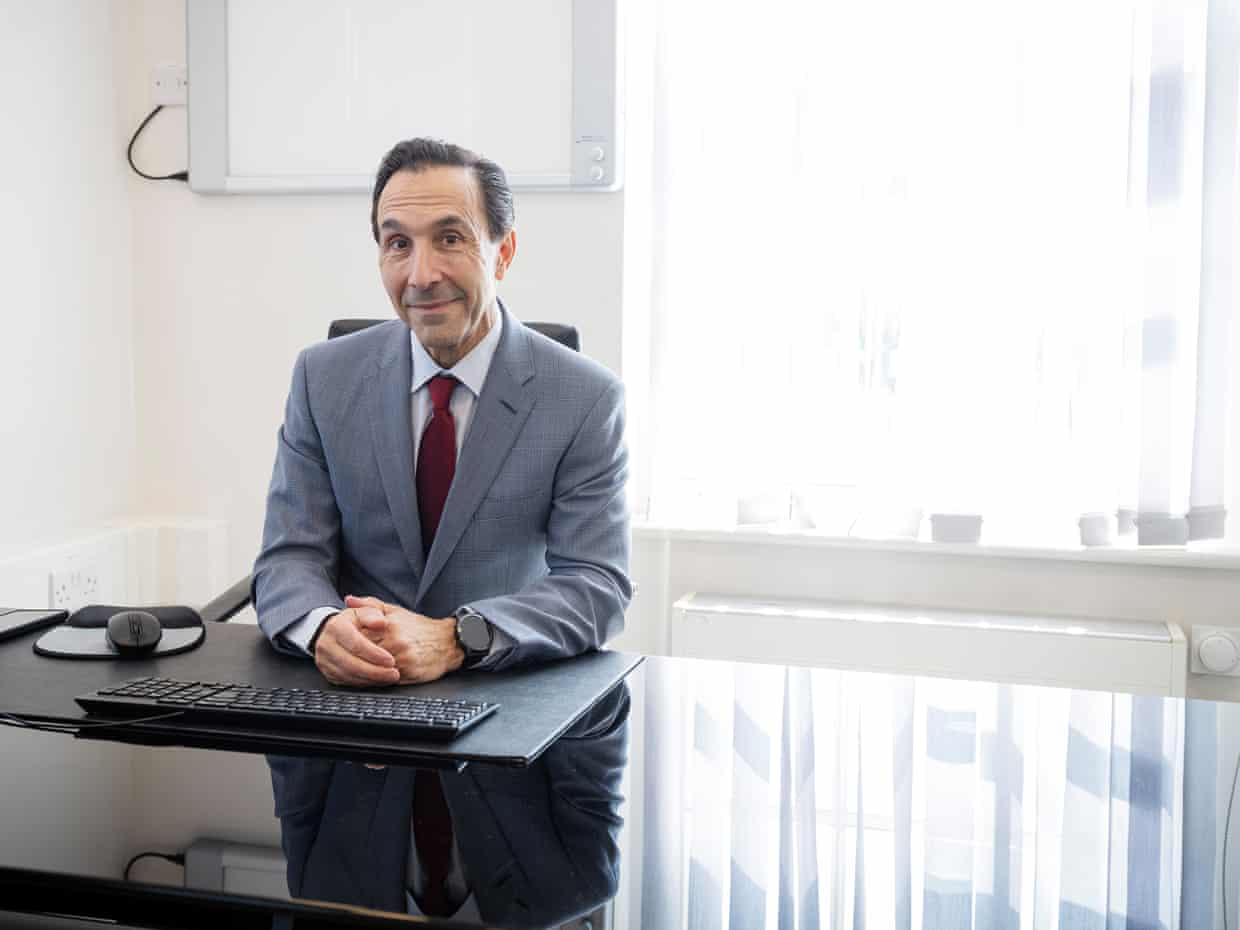
Dr Nora Nugent, a cosmetic surgeon from Tunbridge Wells and president of the British Association of Aesthetic Plastic Surgeons, said clients have started arriving with AI-beautified photos and false expectations that those results are achievable with surgery. Many colleagues report similar experiences.
Patients using AI chatbots to generate their ideal faces often request flawless skin, sharply sculpted cheekbones, refined noses and near-perfect symmetry. Surgeons say these standards are often too time-consuming, prohibitively expensive, or physically unattainable.
Dr Alex Karidis, a surgeon based in west London, said cosmetic surgery cannot replicate the microscopic precision or fantasy-level perfection produced by AI. He noted that AI images become 'seared' into patients' minds, and colleagues have recently been inundated with them.
Dr Julian de Silva, a Harley Street cosmetic surgeon, highlighted that AI can alter features like eye level in seconds, but rearranging pixels is not the same as rearranging anatomy. He also expressed concern about clinicians sharing surgery results on social media that appear astonishingly effective but may themselves be AI-generated.
Nugent emphasized that patients must understand human variation in healing, aging, and what can be done surgically. 'It's not limitless what I can do in surgery. Neither of us control everything,' she said.
In a demonstration, a journalist asked an AI chatbot to recommend cosmetic procedures and generate images. The AI suggested rhinoplasty, septoplasty, blepharoplasty, brow refinement, neck lift, brow lift, custom implants, and full ablative laser resurfacing. Karidis estimated the initial work alone would cost about £25,000.
Surgeons have noticed consistencies in 'AI face' aesthetics, particularly hyper-symmetry, which AI can generate effortlessly but is often impossible to recreate in real life. De Silva noted that AI frequently defaults to widely accepted beauty ideals: for women, a V-shaped jawline, ogee curve along cheekbones, and heart-shaped face; for men, broader jawlines, lower eyebrows, and fuller upper eyelids.
Source: Read the original report | Published: May 23, 2026