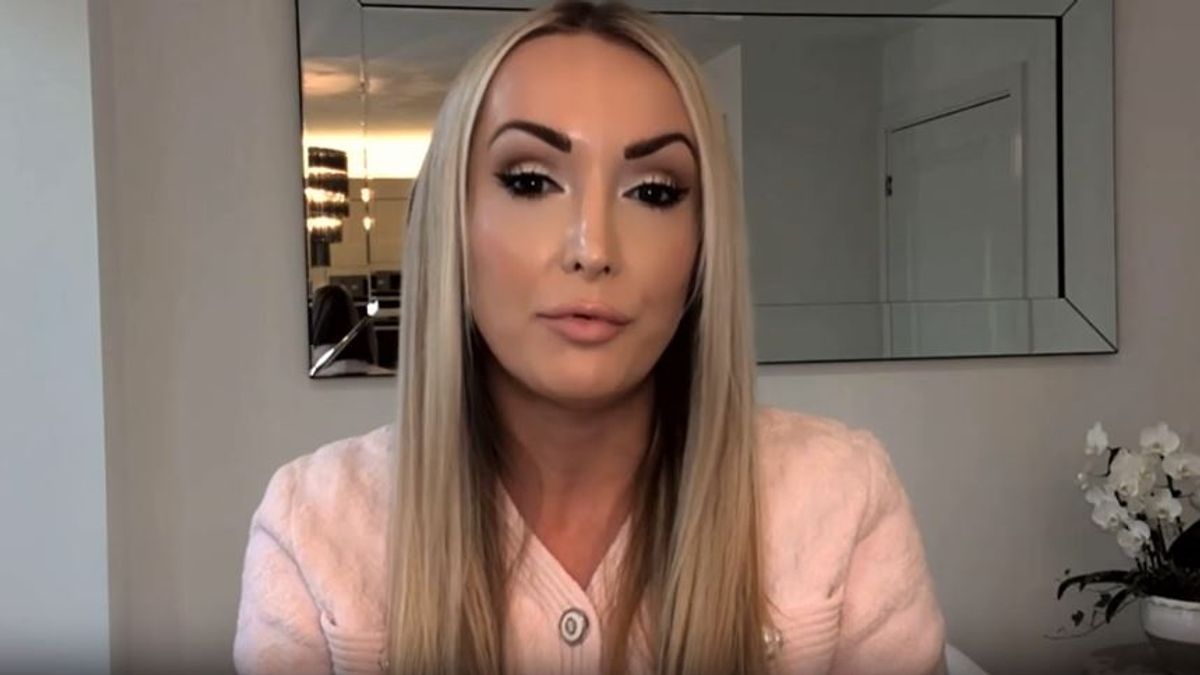
A cluster of suspected botulism poisoning cases in Leeds, UK, has prompted an urgent warning from cosmetics watchdog Save Face, highlighting the dangers of unlicensed injectables. The cases, all linked to a single salon offering discounted Botox-like treatments, underscore supply-chain risks for overseas buyers sourcing aesthetic products from unregulated channels.
Incident details
Several people were treated at NHS services in Leeds last week for suspected botulism poisoning, a life-threatening infection often caused by cheap, unlicensed injectables. The cases were all linked to the same salon in the city, which had advertised cut-price deals. Last summer, the UK Health Security Agency (UKHSA) recorded at least 38 cases of botulism linked to unlicensed products, including 28 in the north-east.
Regulatory response
Ashton Collins of Save Face, a government-backed register of approved practitioners, said: "This incident reinforces our long-standing concerns that some providers are administering prescription-only injectables without valid prescriptions or appropriate oversight. We are seeing more providers breaking the law by either working with unscrupulous prescribers who supply medication without ever seeing the patient, or by sourcing products illegally online."
Industry expert comment
Dr Bob Khanna, a leading aesthetics medic, said: "Cases like these are deeply concerning and highlight the very real risks of botulinum toxin when it is used outside properly regulated clinical frameworks. Aesthetic injectables are not simple beauty treatments; they are medical procedures involving powerful prescription medicines. Patient safety must always come before price, convenience or social media trends."
What buyers should watch
Over 34% of botulinum toxin-related complaints reported to Save Face involve suspected counterfeit products. For overseas importers and distributors, this incident reinforces the need to verify product provenance, ensure prescriptions are legitimate, and source only from regulated pharmacies. The UK market is tightening enforcement, and buyers should expect increased scrutiny on supply chains for injectables.
Source: Read the original report | Published: May 30, 2026