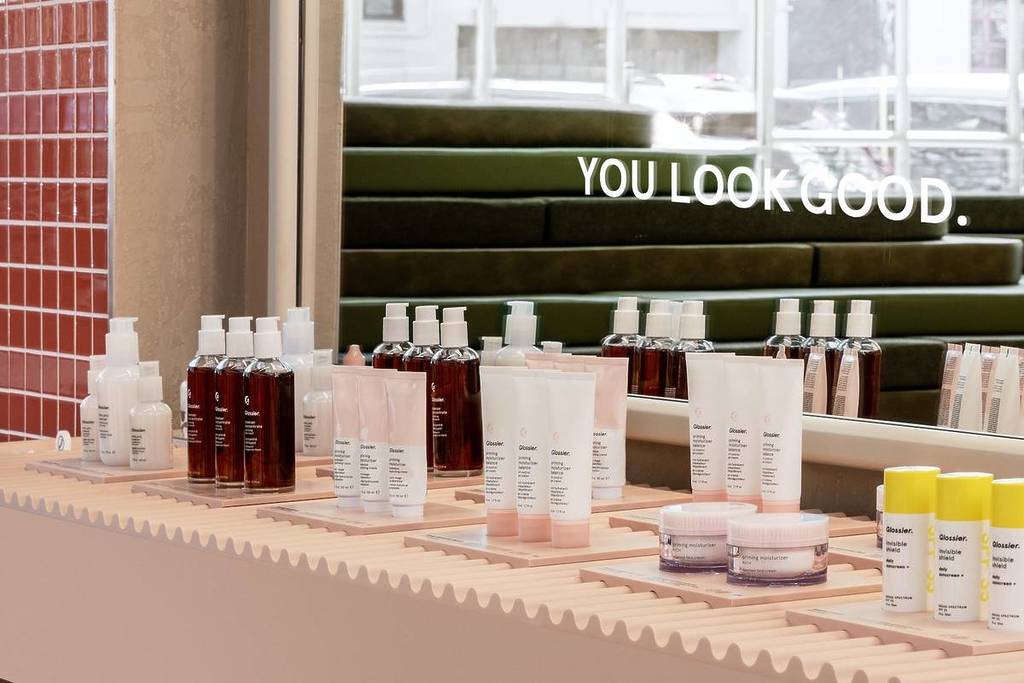
Glossier, the millennial beauty brand founded by Emily Weiss in 2014, has announced plans to close nine of its 12 retail locations over the next two and a half years, leaving only its flagship stores in New York, Los Angeles, and London. The Seattle store on 10th Avenue is among those slated for closure, with the property owner already marketing the 6,200-square-foot space for lease at $47 per square foot annually. This strategic shift signals a retreat from physical expansion for a brand that built its following online, offering a case study for beauty supply-chain stakeholders watching retail distribution trends.
Retail footprint reduction
Glossier will close nine of its 12 stores, retaining only three flagship locations. The Seattle store, which opened in summer 2021 after a popular pop-up in 2019, is one of the closures. The brand has not announced a final closing date for Seattle, but the property owner, Hunters Capital, has begun marketing the space for lease. The asking rate is $47 per square foot annually, plus triple-net expenses, and the space could be divided into two 3,200-square-foot suites.
Brand background and channel evolution
Glossier originally grew through a direct-to-consumer online model before expanding into physical retail. The Seattle store featured immersive design elements like moss-covered rocks, oversized mushrooms, and a hologram butterfly mirror, blending beauty retail with art installation. Despite the closures, customers can still purchase Glossier products online and through select retailers such as Sephora.
Sourcing context
For overseas distributors and clinic buyers, Glossier's retreat from physical retail highlights the ongoing volatility in beauty retail expansion. Brands that once prioritized experiential stores are now reassessing their footprint, which may affect supply-chain demand for retail fixtures, packaging, and in-store consumables. The shift back to online and third-party retail channels could influence how beauty brands allocate their sourcing budgets for packaging and logistics.
What buyers should watch
Importers and distributors should monitor whether other direct-to-consumer beauty brands follow Glossier's lead in reducing physical retail presence. This could signal a broader trend toward leaner retail strategies, potentially impacting demand for store-specific packaging and display materials. Additionally, the availability of prime retail spaces like the Seattle location may create opportunities for other beauty or medical aesthetics brands to secure high-traffic locations at competitive lease rates.
Source: Read the original report | Published: May 31, 2026